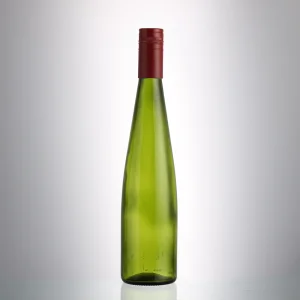
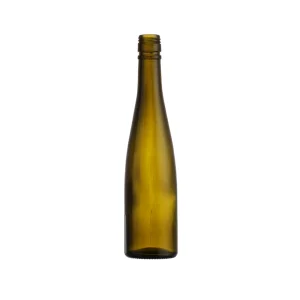
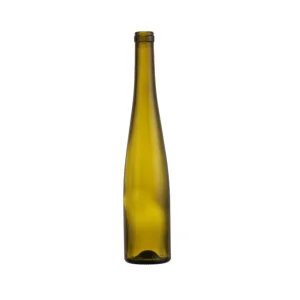
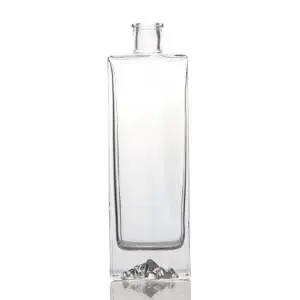
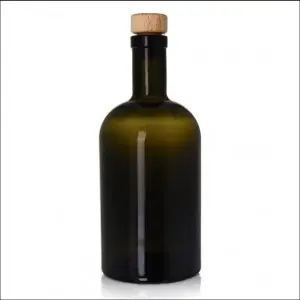
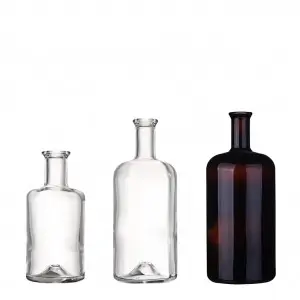
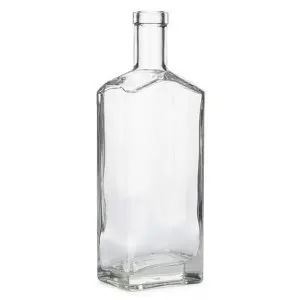
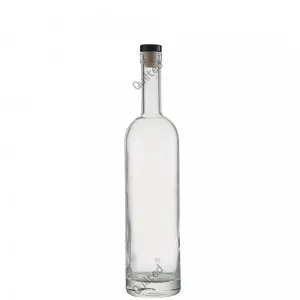
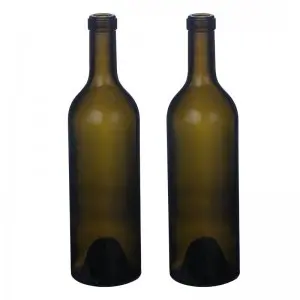
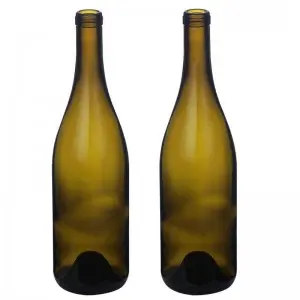
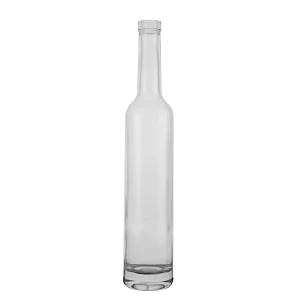
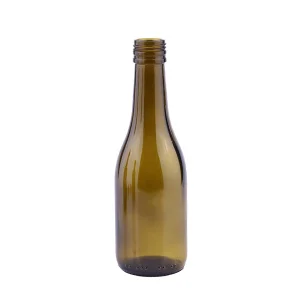
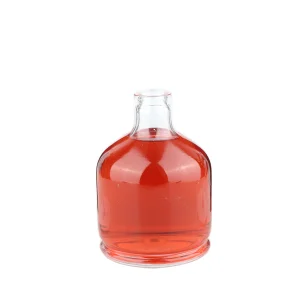
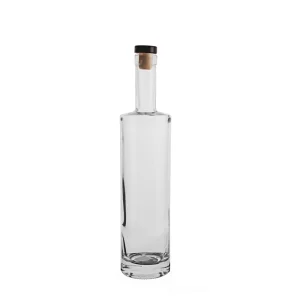
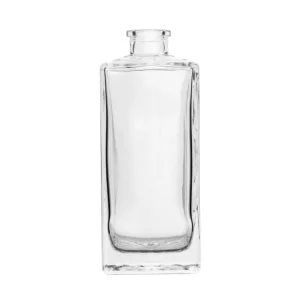
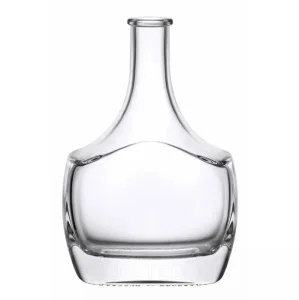
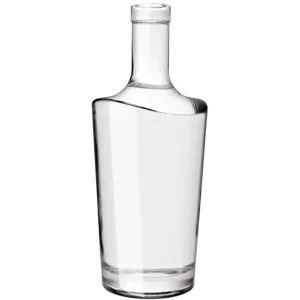
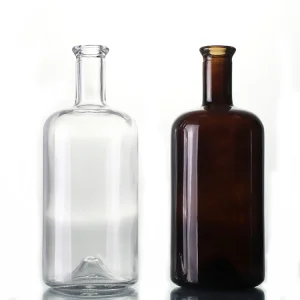
High pressure, premium quality glass bottles designed specifically to meet strict Italian winemaking regulations and aesthetics.
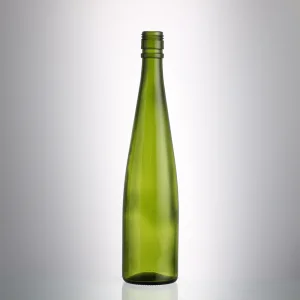
Italy occupies a preeminent position in the global sparkling wine market, with production centers like Veneto (famed for Prosecco DOC and DOCG), Lombardy (renowned for Franciacorta DOCG), Piedmont (famed for Asti Spumante), and Trentino-Alto Adige (famed for Trento DOC). The commercial packaging requirement within these distinct regions goes far beyond simple aesthetics. Unlike standard wine packaging, sparkling wines require containers that can safely hold high levels of internal carbonation pressure without compromising the structural integrity of the glass.
From an engineering perspective, bottles manufactured for the Italian sparkling wine industry must withstand structural loads created by internal pressures up to 6 bars or more (especially for *Metodo Classico* or traditional method processes like Franciacorta). The physical requirements dictate strict adherence to parameters like hoop stress resistance, wall thickness consistency, and neck thread calibration. If wall thickness deviates by even fractions of a millimeter, the bottle risks bursting during secondary fermentation in the cellar or while undergoing mechanical handling on automated bottling lines operating at speeds up to 12,000 bottles per hour.
Key Parameter Specification: For Metodo Classico wines, the minimum glass weight for standard 750ml bottles is typically specified at 800g to 900g to safely manage the continuous outward pressure vector. For Charmat method wines (such as Prosecco), the pressure is lower, enabling lighter bottle options (600g to 700g), which is a key consideration for eco-focused wineries aiming to reduce their overall carbon footprint.
The European Union's packaging and packaging waste regulations (PPWR) are pushing wineries toward a lower carbon footprint. This regulatory driver has created a significant shift towards glass "lightweighting" (known as *alleggerimento* in Italian vineyards). Re-engineering the structural geometry of glass bottles involves using Finite Element Analysis (FEA) to determine how stress is distributed during pressure cycles.
Seamless custom design, independent manufacturing capabilities, and quality assurance for premium global brands.
Our premier custom bottle manufacturing service, with an optimized supply chain, seamlessly transforms your concepts into stunning packaging solutions tailored to Italian brand identities.
Crafting our custom glass packaging solutions within our state-of-the-art bottling facility enables us to drive down costs while ensuring swift delivery of top-notch finished goods.
Avail yourself of our complimentary glass bottle samples, aiding you in solidifying your decision to invest in our premium glass bottle selections, facilitating bulk purchases with confidence.
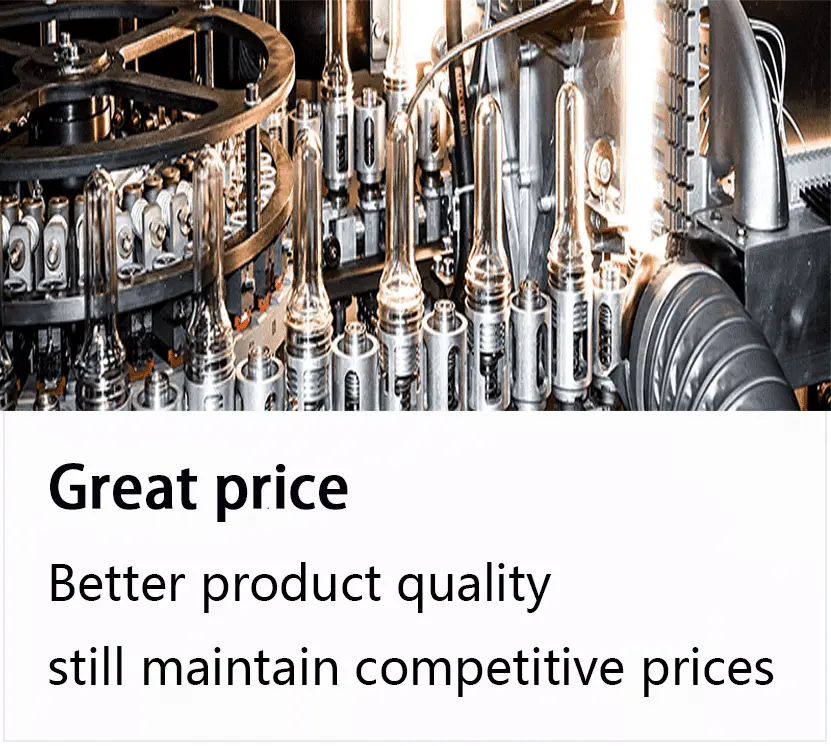
Our advanced production facilities leverage the principles of Industry 4.0 to manufacture glass packaging with precision, speed, and cost efficiency. The recent energy crisis in Europe has caused glass production costs within the continent to rise, prompting Italian bottlers to diversify their sourcing strategies to maintain competitiveness. In response, our automated production lines offer a stable, high-output supply chain option.
At our facility, production starts with automated batching and mixing of raw materials, ensuring chemical stability in the molten glass. This is crucial for avoiding internal structural defects that can lead to micro-fissures in high-pressure bottles. The molten glass is processed in high-capacity furnaces using smart combustion systems to maintain optimal temperatures while minimizing energy footprint.
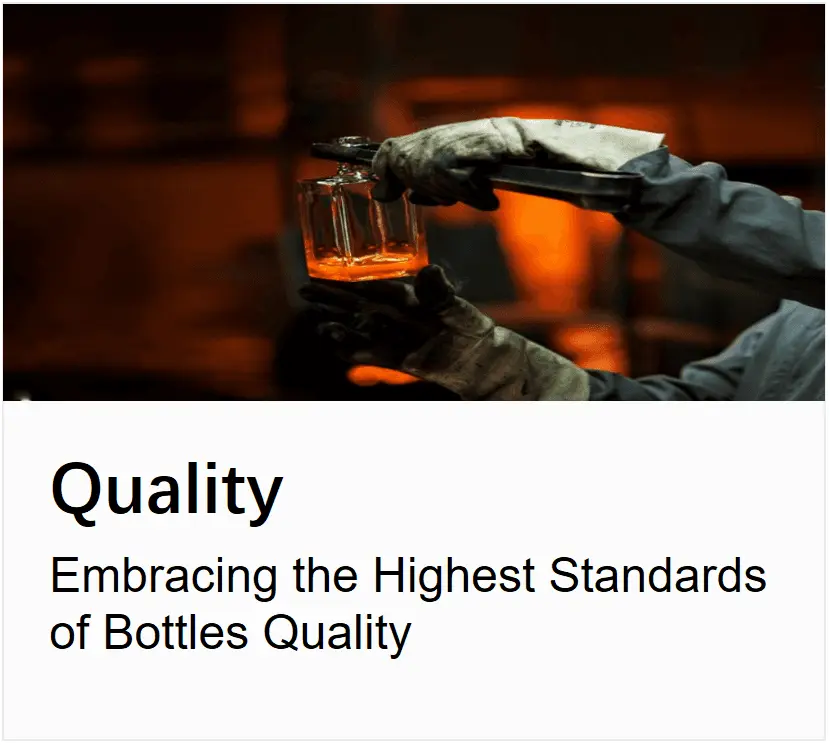
Once formed via automated individual section (IS) machines, every bottle passes through a temperature-controlled annealing lehr. This step relieves the internal tension generated during formation, ensuring the bottle behaves consistently under pressure. Finally, each bottle undergoes automated, dual-camera optoelectronic and laser inspections to verify wall thickness, detect air bubbles, and check mouth geometries, guaranteeing that only compliant packaging reaches our Italian clients.
In Stock, On Time: QLT Glass, Your Swift Solution for Premium Packaging. Ready to Ship Excellence!
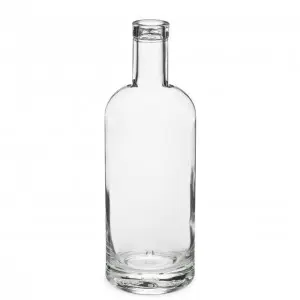
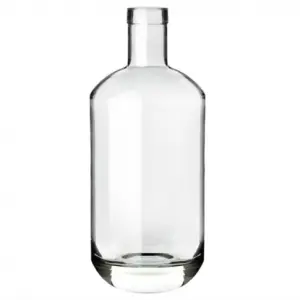
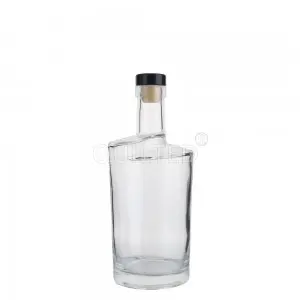
As a leading Chinese glass bottle manufacturer, we take pride in our ability to produce glass bottles from start to finish. Our integrated processes encompass raw material crushing and mixing, precise batching, melting, shaping, and meticulous annealing, ensuring top-notch quality at every step of manufacturing.
Through rigorous quality checks at our physical facilities and regular audits, we ensure that every packaging batch shipped to Italian ports meets EU food safety and quality regulations.
Read All About QLT Glass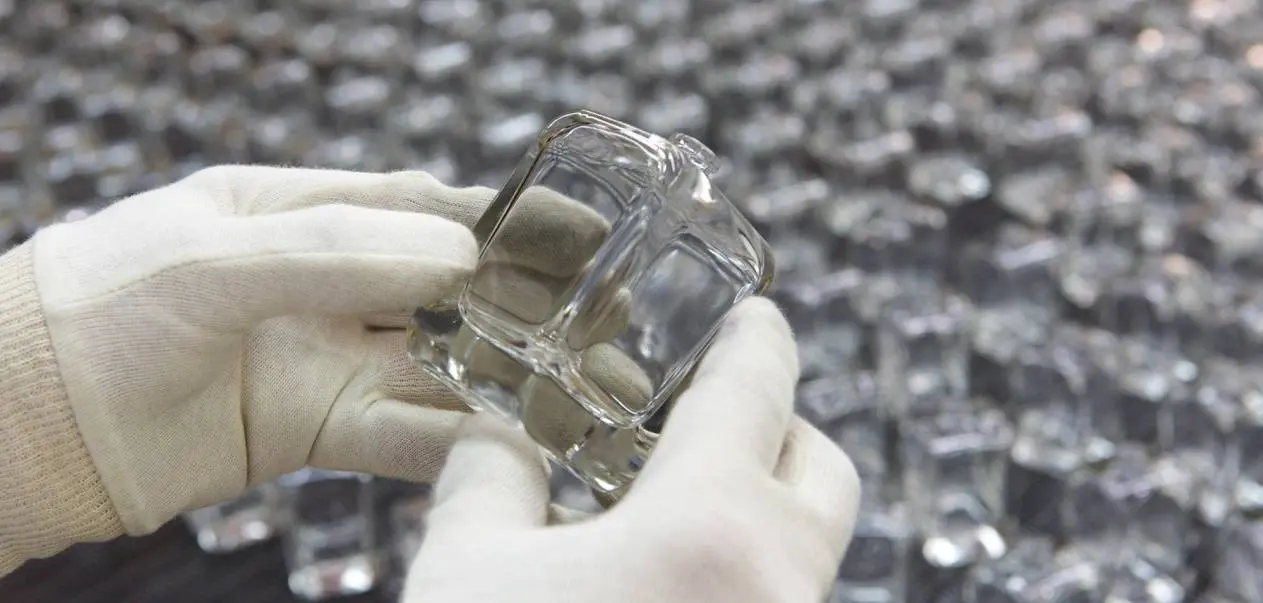
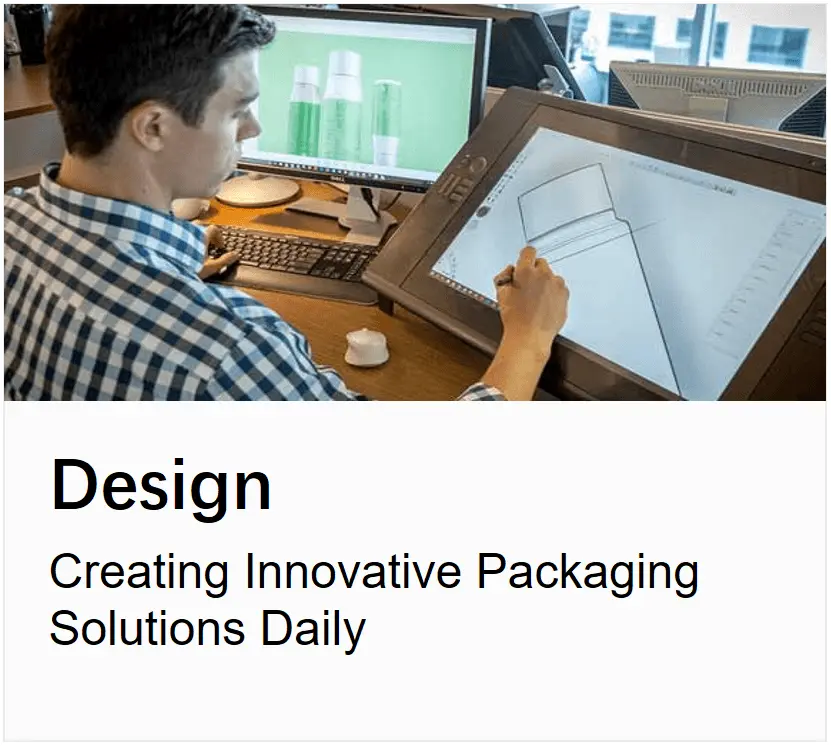
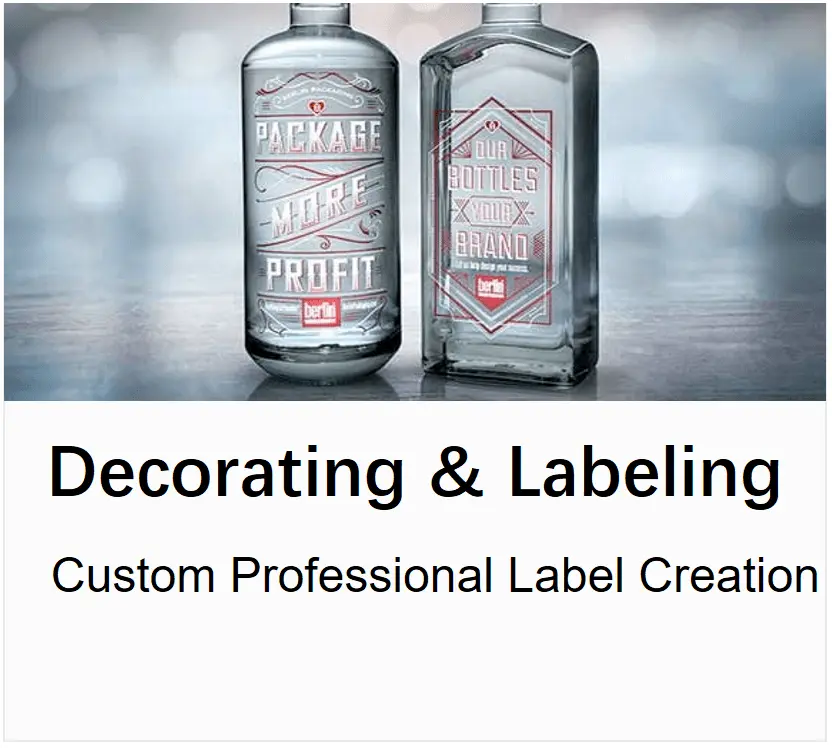
Our solutions for the Italian wine sector cover the complete product cycle, from dynamic 3D rendering to final cargo delivery at Italian ports like Genoa, La Spezia, and Venice. Working closely with Italian wineries, we tailor bottle designs to match their local branding. Wineries can choose custom features like embossing (such as *Metodo Classico* or family crests), optimized neck finishes for crown caps or premium corks, and bespoke glass colors.
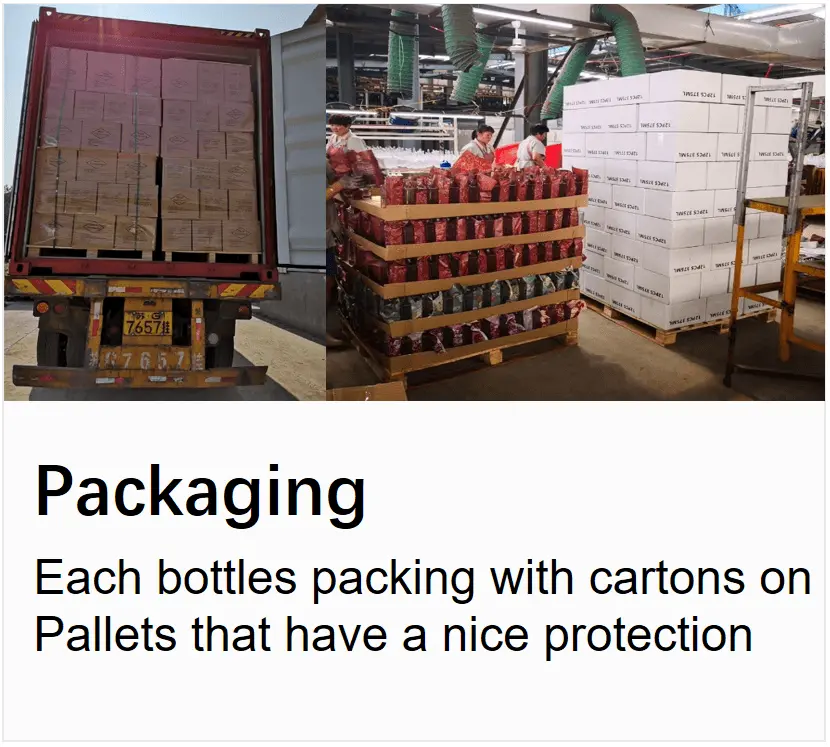
Italian winemakers face challenges with logistics and glass safety during transit. To mitigate risk, our supply chain incorporates heavy-duty seaworthy packaging, reinforced pallet designs, and structural supports. This ensures that even bulk shipments of lightweight glass bottles arrive without micro-fractures, ready for immediate high-speed filling lines.
Every glass bottle manufactured for the European market must comply with strict safety standards. Standardizations dictate that glass containers coming into contact with foodstuff must meet safety guidelines to prevent health risks.
Optimized glass packaging designs engineered from raw materials to final shape styling for prestigious wine brands.
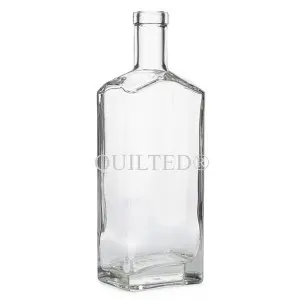
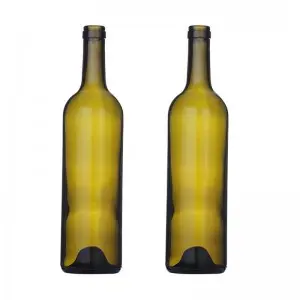
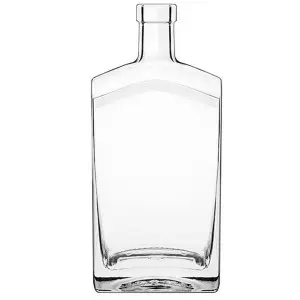
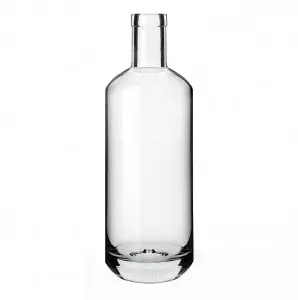
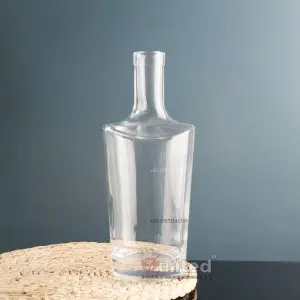
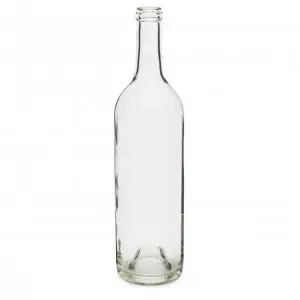
High-quality flint and colored glass options, direct from our factory, ready for shipping to Italian hubs.
Technical Sourcing & Compliance Information for Italian Purchasing Managers
Connect with our engineering and logistics specialists today to receive detailed technical drawings, custom pricing matrices, or to request your free physical bottle sample.
Send Inquiry Now QLT Glass