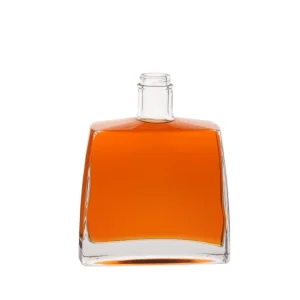
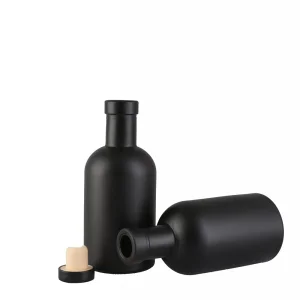
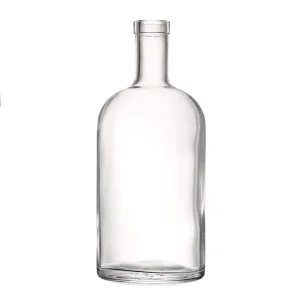
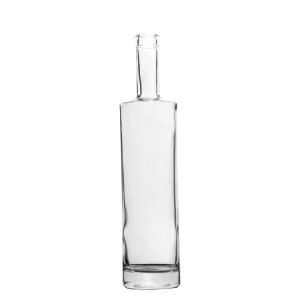
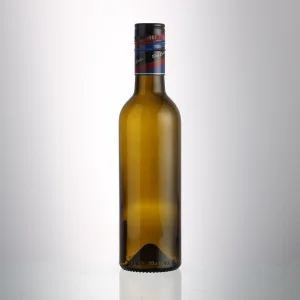
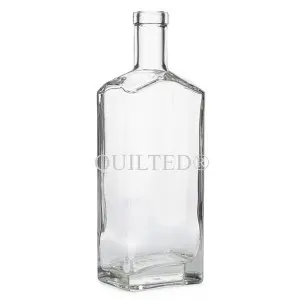
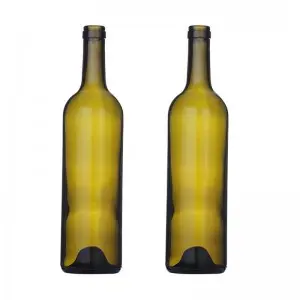
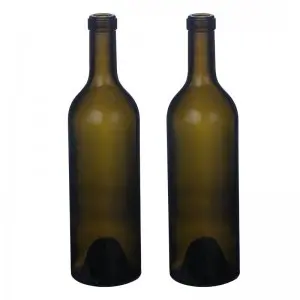
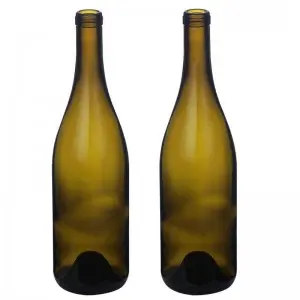
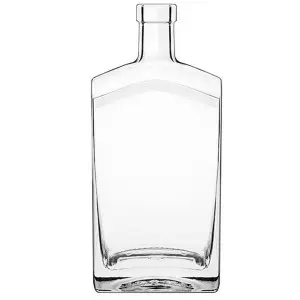
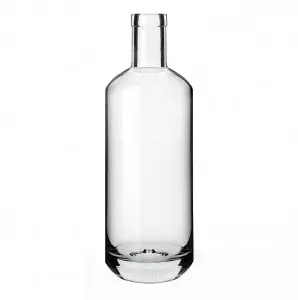
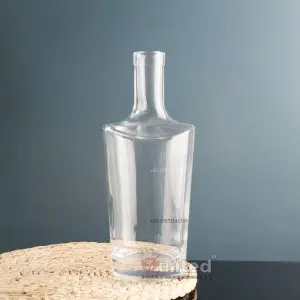
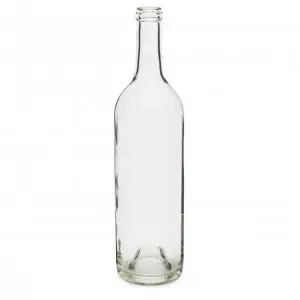
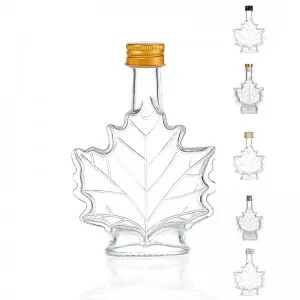
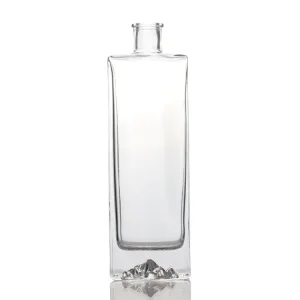
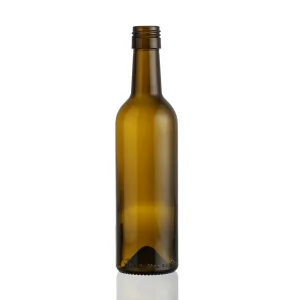
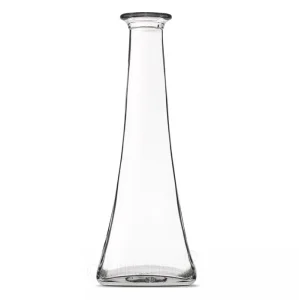
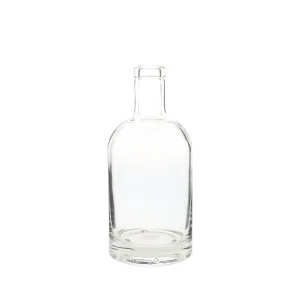
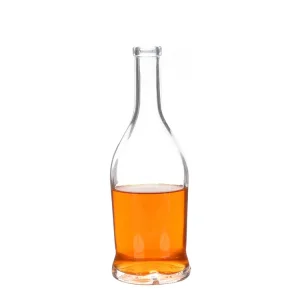
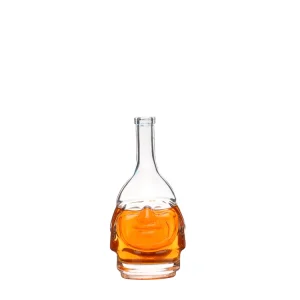
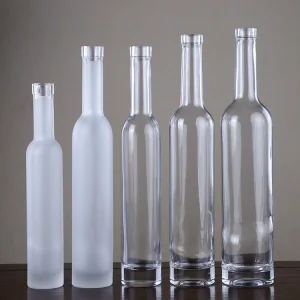
Engineered to withstand advanced pressure dynamics, our flagship containers leverage extra-flint clarity and custom glass-forming techniques to preserve high-value distillates.
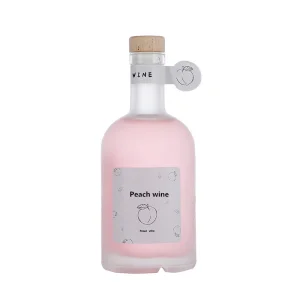
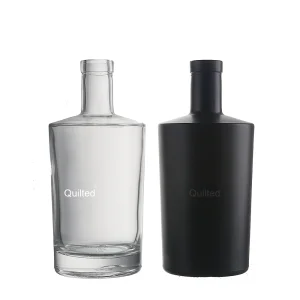
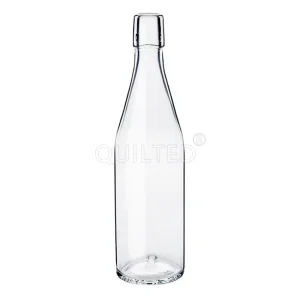
In the highly competitive food, beverage, and premium spirits markets, packaging serves as both a primary brand differentiator and a critical barrier technology. Global procurement agents face complex hurdles: aligning aesthetic value with structural integrity, ensuring compatibility with high-speed bottling lines, and keeping carbon footprints minimal. High-flint glass and clean-processed natural cork represent the benchmark for luxury preservation.
For distilleries and vineyards operating across North America, Europe, and Asia-Pacific, structural packaging is no longer just a container; it is an asset under intense regulatory and consumer scrutiny. Manufacturers must guarantee compliance with the FDA, the European Food Safety Authority (EFSA), and heavy metal restriction mandates. By integrating glass container manufacturing directly with advanced cork processing, we optimize structural margins and eliminate assembly variances, protecting liquids from premature oxidation or leakage.
Our structural glass components are formed using pure silica sand, soda ash, and limestone blends, fired inside modern regenerative furnaces equipped with continuous oxygen sensors and automatic laser defect rejection.
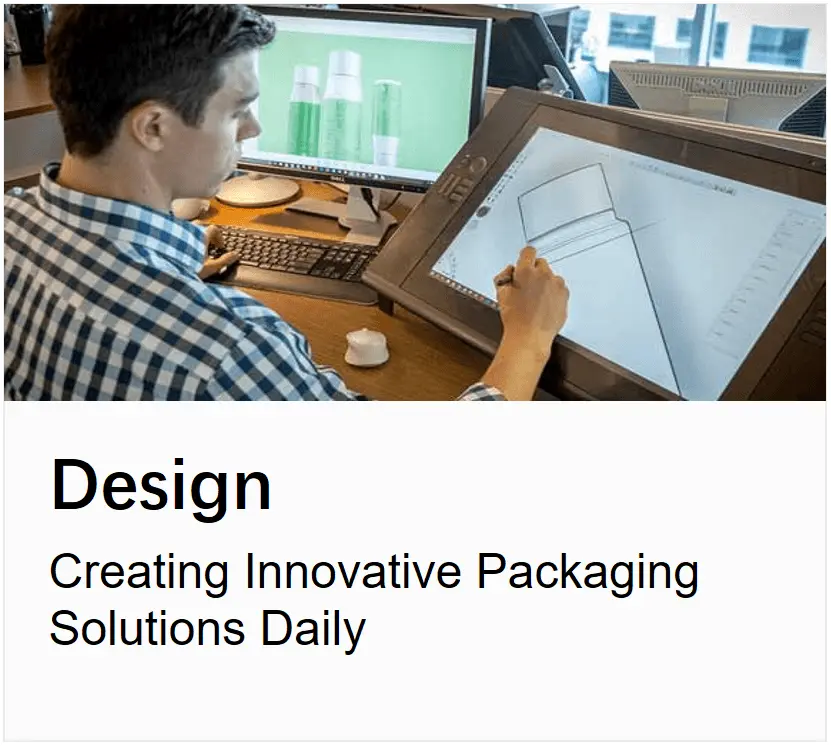
From design visualization to automated manufacturing, we control the entire lifecycle of glass container production.

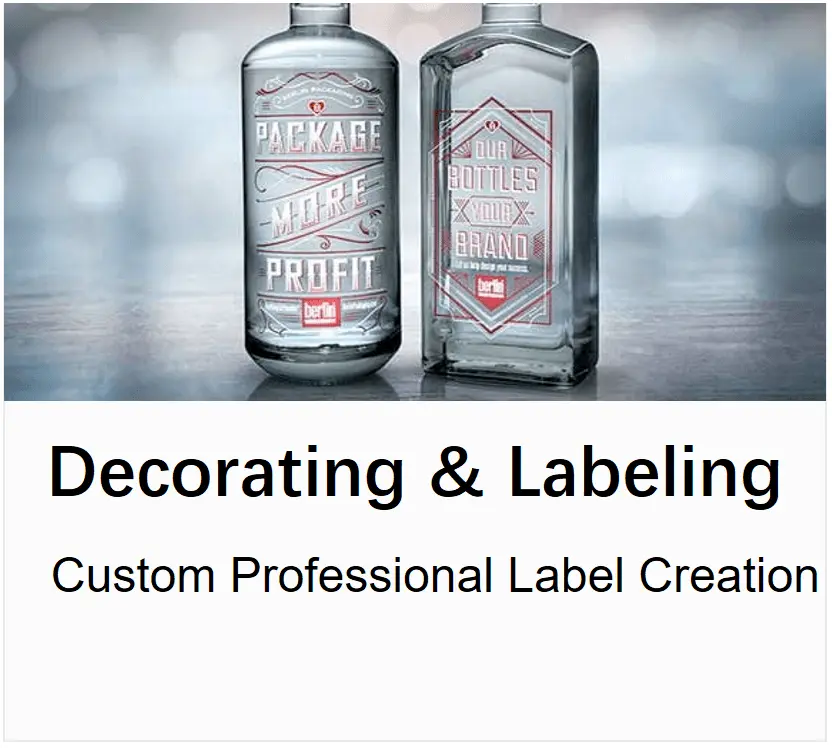
Our premier custom bottle manufacturing service, with an optimized supply chain, seamlessly transforms your concepts into stunning packaging solutions.

Crafting our custom glass packaging solutions within our state-of-the-art bottling facility enables us to drive down costs while ensuring swift delivery of top-notch finished goods.

Avail yourself of our complimentary glass bottle samples, aiding you in solidifying your decision to invest in our premium glass bottle selections, facilitating bulk purchases with confidence.
Continuous R&D in Glass Light-weighting and Non-Destructive Cork Extraction
Deploying Narrow Neck Press and Blow (NNPB) technology across all lines to reduce individual bottle weight by up to 20% while maintaining equivalent vertical compression margins and mechanical impact thresholds.
Implementing advanced supercritical fluid extraction techniques to strip TCA (Trichloroanisole) and related off-odor volatiles at the molecular level, guaranteeing individual-cork analytical purity below quantifiable detection limits.
Decarbonizing furnace infrastructure by transitioning from natural gas combustion to hybrid electric melting systems powered by renewable energy, reducing direct scope-1 CO2 emissions during glass synthesis.
Integrating covert anti-counterfeiting elements, RFID/NFC chips directly inside the cork assemblies and custom glass engravings to streamline downstream warehouse tracking and product authentication.
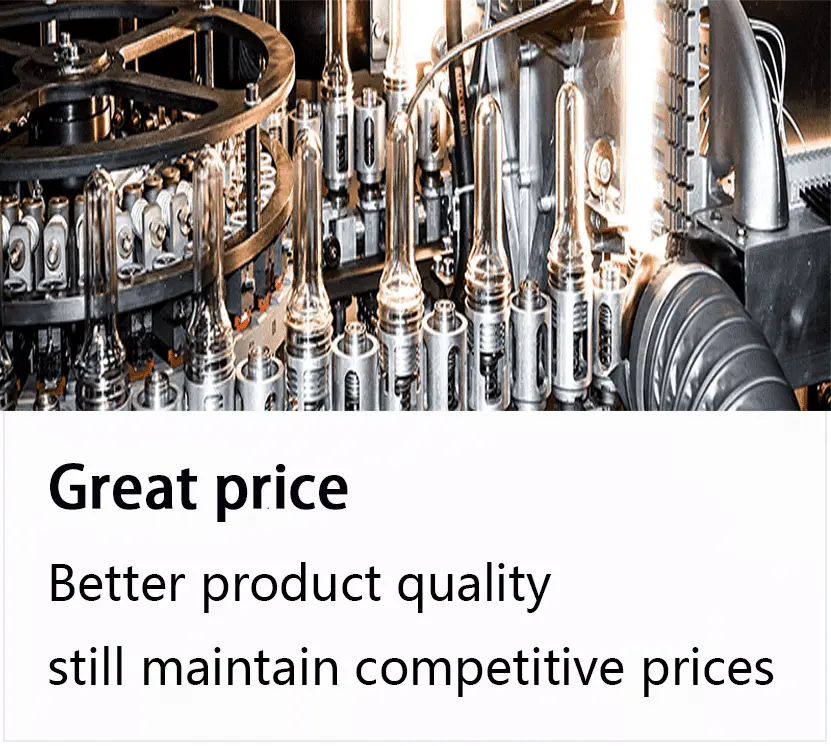
Integrating raw material crushing, batching, high-temp melting, precision shaping, and annealing to deliver world-class glass containers.
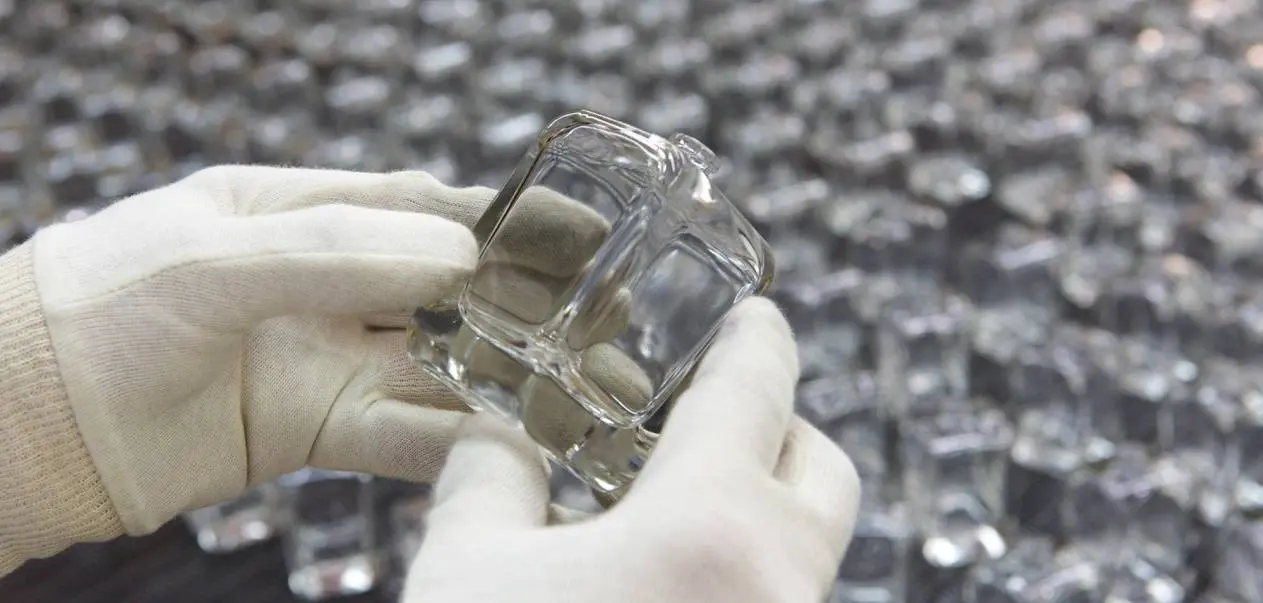
As a leading Chinese glass bottle manufacturer, we take pride in our ability to produce glass bottles from start to finish. Our integrated processes encompass raw material crushing and mixing, precise batching, melting, shaping, and meticulous annealing, ensuring top-notch quality at every step.
By leveraging computerized control systems throughout the melting and forming operations, we verify wall thickness uniformity and surface finish integrity. Each glass packaging run is subjected to thermal shock analysis, polariscope evaluations for residual stress, and mechanical impact testing to withstand modern bottling plant automation environments.
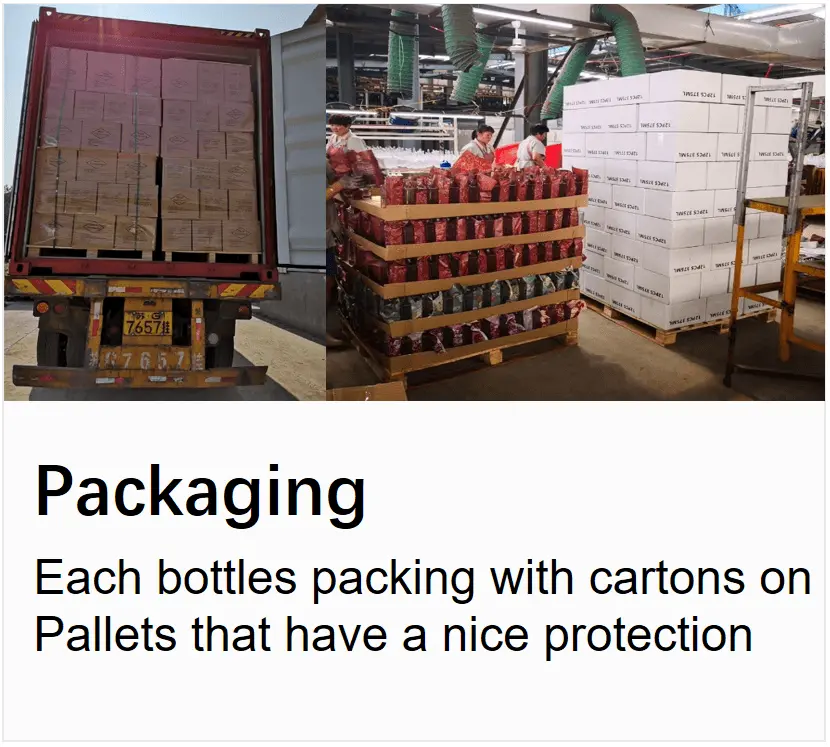
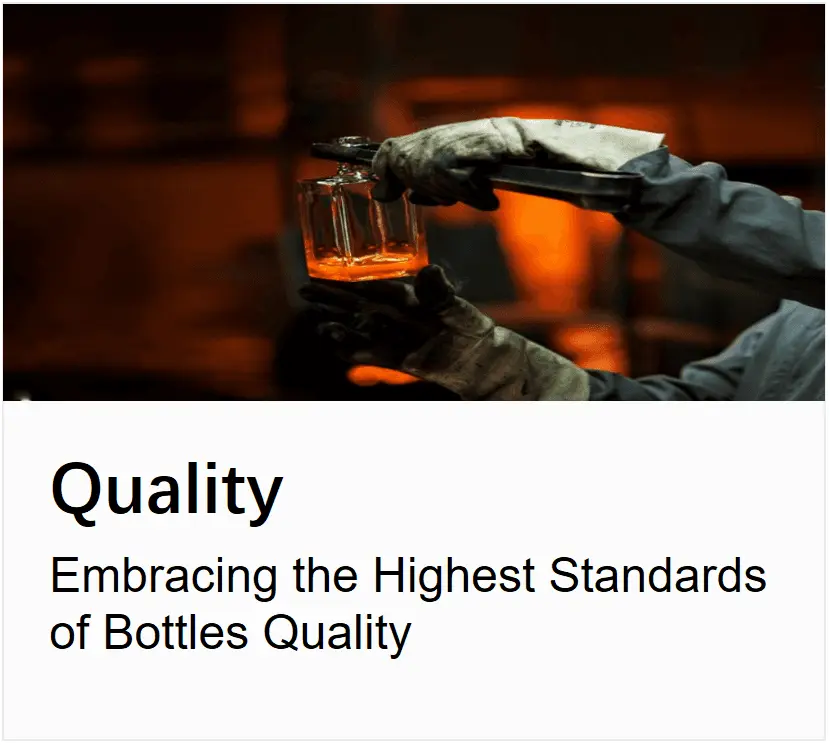
Glass containers intended for alcoholic spirits, mineral water, and premium vinegar must be chemically inert. If the internal glass surface degrades, alkali ions leach into the liquid, altering pH and destroying delicate flavor profiles. Our factory utilizes Type III Soda-Lime-Silica glass formulations with superior hydrolytic resistance, verified in-house via state-of-the-art laboratory testing.
Similarly, our cork closures undergo intensive processing. Raw bark slabs are aged to stabilize natural elasticity, then boiled in closed clean-steam systems to extract organic contaminants like guaiacol and geosmin. In our quality-control laboratories, we employ gas chromatography-mass spectrometry (GC-MS) with solid-phase microextraction (SPME) to ensure our corks are completely clean. This analytical rigor ensures that every winery and distillery receives closures that safeguard their vintages for years to come.
Technical guidance and commercial parameters for global procurement managers.
We use laser-precision bore measuring systems on our glass molding line to track inner neck profile tolerances within ±0.2mm. This data helps our cork division calibrate the compression density of natural and micro-agglomerated closures, ensuring a gas-tight seal that prevents leaks and oxidative spoilage.
All our glass runs comply with European Council Directive 94/62/EC and FDA regulations. We run regular atomic absorption spectroscopy assays to verify that combined lead, cadmium, mercury, and hexavalent chromium levels stay well below the 100 ppm limit.
Our typical timeline for custom designs includes 3D CAD modeling within 3 to 5 business days, structural glass samples in 15 to 20 days, and full mass production within 30 to 45 days after sample approval.
Yes, we provide hot-end chemical vapor deposition (CVD) surface treatments alongside cold-end polyurethane coatings. These treatments protect bottles from scuffs and abrasions during high-speed bottling and transport.
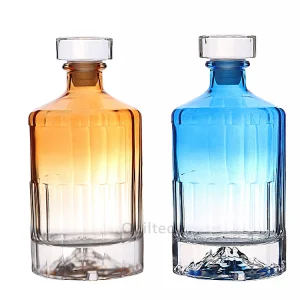
Explore our premium frosted, colored, and custom-molded glass collections, built with tight neck closures to prevent oxygen leaks.
 QLT Glass