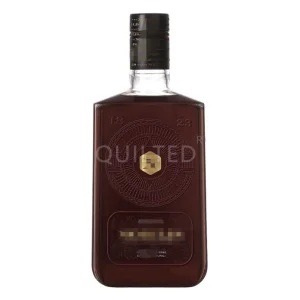
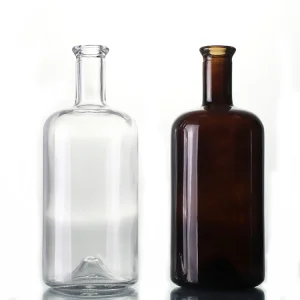
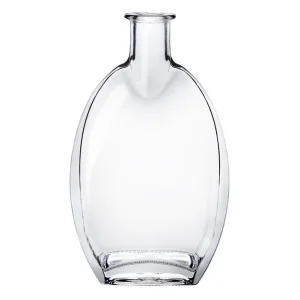
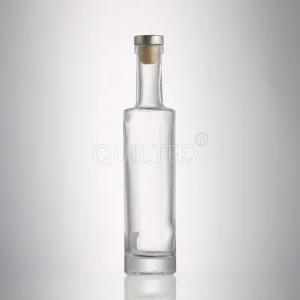
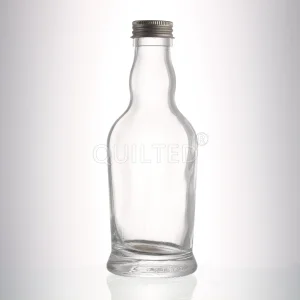
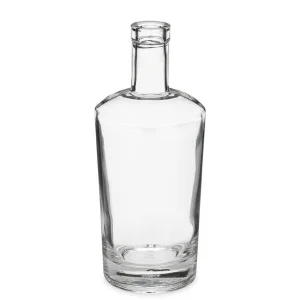
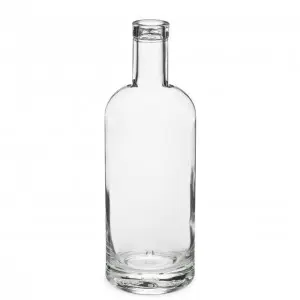
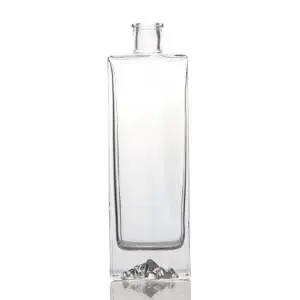
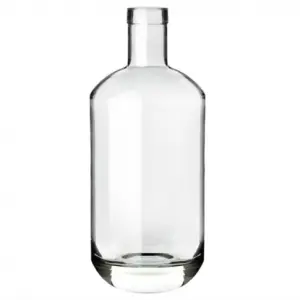
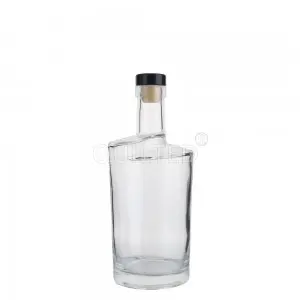
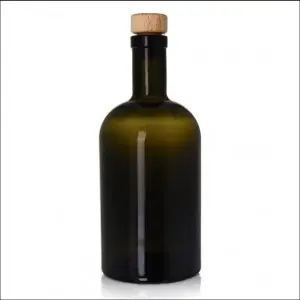
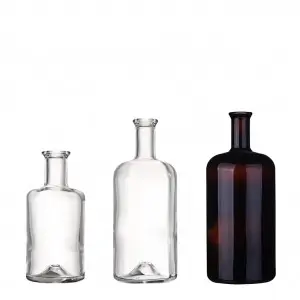
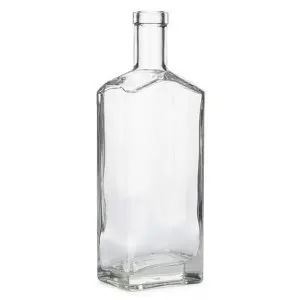
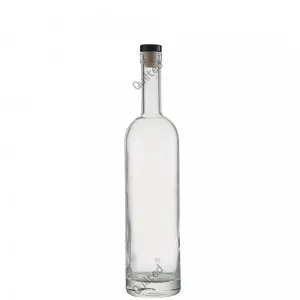
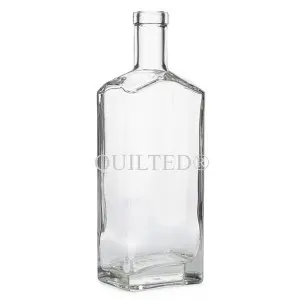
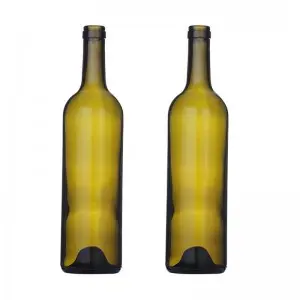
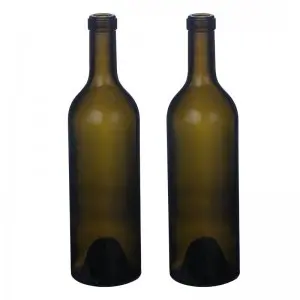
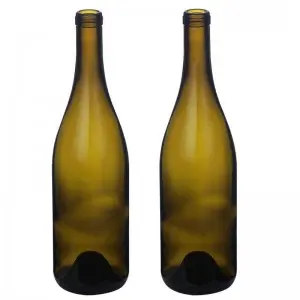
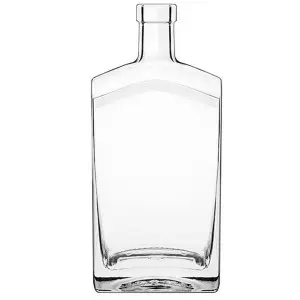
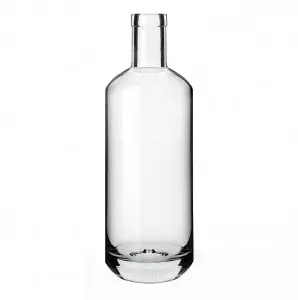
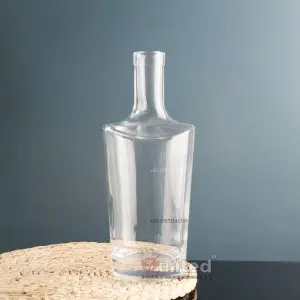
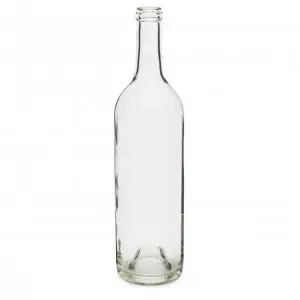
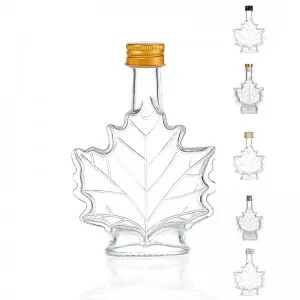
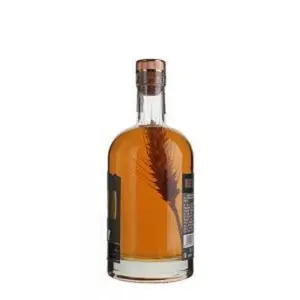
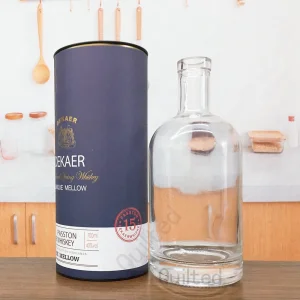
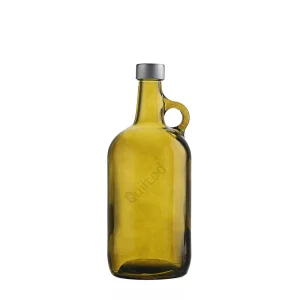
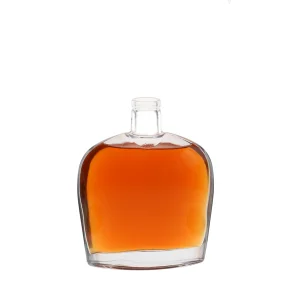
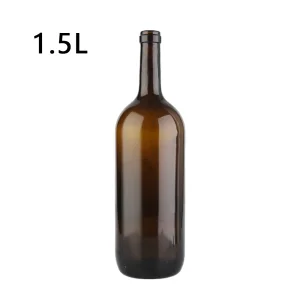
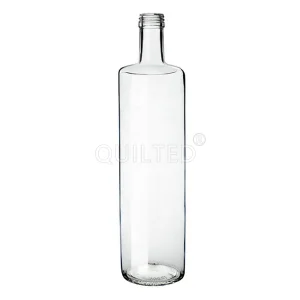
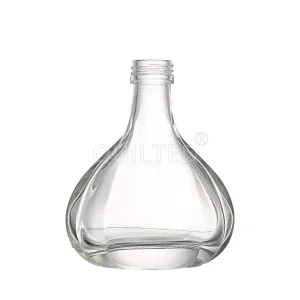
Explore our elite collection of high-flint liquor and wine glass bottles designed to couple flawlessly with custom cork caps.
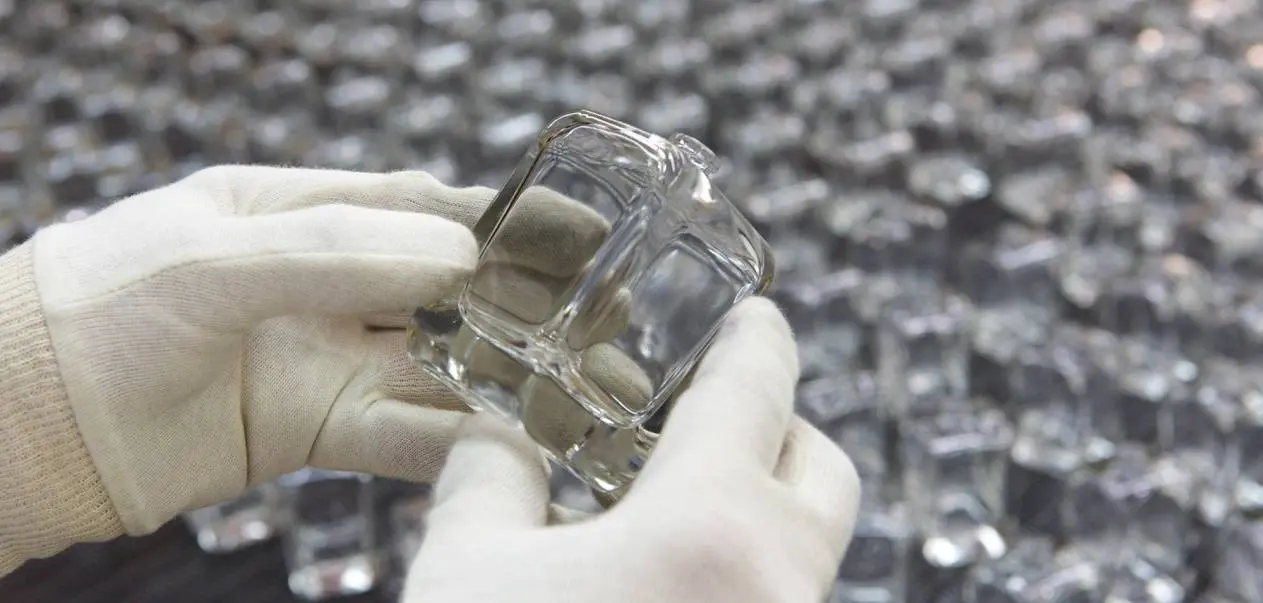
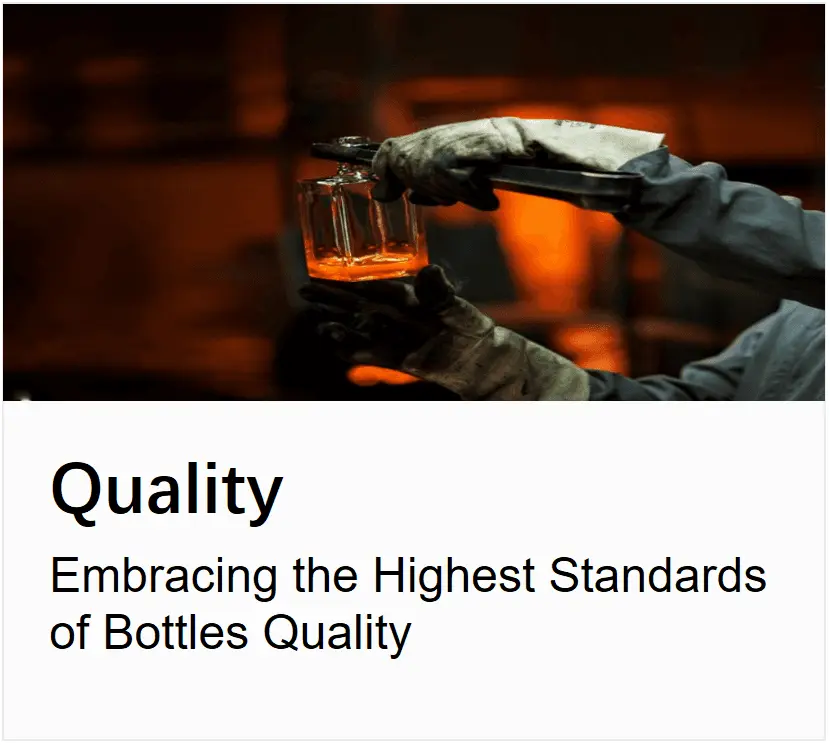
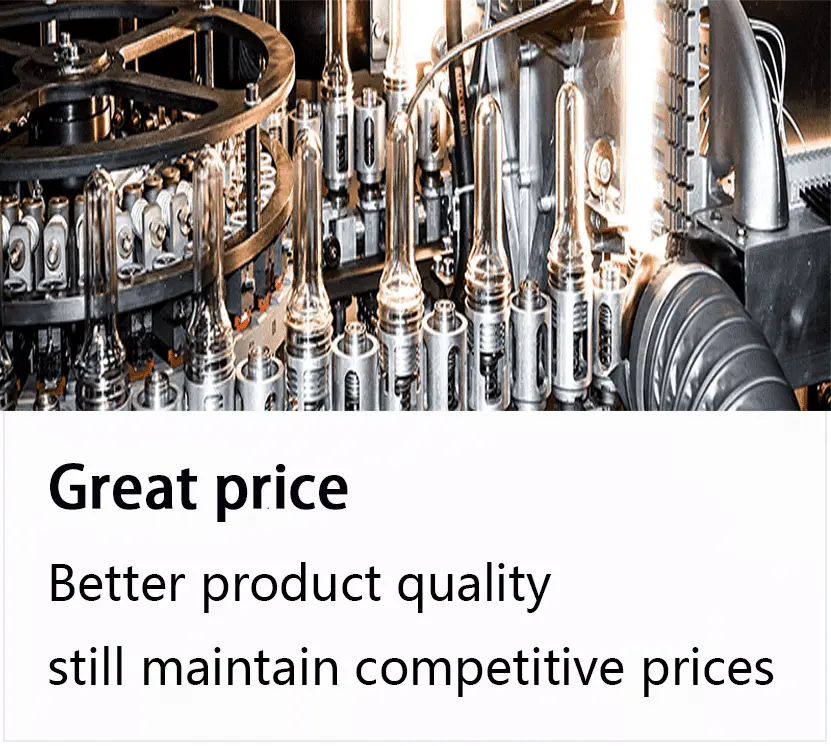
As a leading Chinese glass bottle manufacturer, we take pride in our ability to produce glass bottles from start to finish. Our integrated processes encompass raw material crushing and mixing, precise batching, melting, shaping, and meticulous annealing, ensuring top-notch quality at every step.
By operating a direct manufacturer-to-brand pipeline, we maintain strict quality control loops that bridge the gap between cork bottle caps and container structures. We verify structural chemical tolerance, density optimization, and surface finish alignments. Our dedication translates to elevated visual presence, absolute leak prevention, and optimal preservation values for spirits and premium wines worldwide.
Read All ProfileAn authoritative analysis on material science, bottleneck dimensional tolerances, and global supply chain risk management for high-value spirits.
Cork (derived from the bark of Quercus suber) represents a highly sophisticated cellular matrix. Composed of approximately 40 million cells per cubic centimeter, cork acts as a natural air-cushioning barrier. Each cell is encapsulated by a multi-layered wall consisting of suberin, lignin, and cellulose. Suberin, a hydrophobic macromolecule, accounts for up to 45% of the dry weight, rendering the cap highly resistant to moisture absorption and acidic penetration.
When selecting a wholesale cork bottle cap manufacturer, distributors must differentiate between natural cork, micro-agglomerated cork, and synthetic T-top cap configurations. In premium spirits packaging, the micro-agglomerated cap is engineered to eliminate TCA (2,4,6-trichloroanisole) contamination down to detection limits below 0.3 ng/L, ensuring maximum flavor purity and aroma retention.
An optimal seal depends as much on the bottle's finish as it does on the cork's compressibility. The inner neck diameter of spirits glass bottles, such as our 750ml Clear Glass Juniper Bottles or Nordic Decanters, must be manufactured within tolerances as tight as ±0.5 mm. A standard cork cap diameter (typically 22.5 mm for a 21.5 mm neck opening) achieves a radial compression rate of approximately 10% to 15%.
Our self-owned bottle factory uses automated optical sorting devices to measure bottleneck inner diameters, preventing common defects like "leakers" or "pushed corks" during automated corking processes. By selecting a single-source supplier for both bottles and closures, brands can eliminate assembly failures caused by incompatible components.
Global glass packaging supply chains demand robust production structures. Procurement managers must address the following trends in container sourcing:
1. Carbon-Neutral Packaging Initiatives: Natural cork stands out as a carbon-neutral closure choice. When paired with lightweight glass formulations, it significantly reduces the overall carbon footprint of final packaged goods.
2. Anti-Counterfeiting Closures: Luxury spirit brands increasingly request T-top cork caps integrated with NFC microchips or holographic tamper-evident seals to secure secondary markets.
3. Supply Chain Agility: Relying on localized or vertically integrated packaging providers ensures that manufacturing delays are reduced from months to weeks.
In Stock, On Time: QLT Glass, Your Swift Solution for Premium Packaging. Ready to Ship Excellence!
Deep-dive comparison metrics, oxygen transfer rates, and structural compliance data.
A critical metric for vintage aging. Natural cork allows controlled micro-oxygenation (approx. 1 mg of O2 per year), supporting tannin integration and complex aromatic profiles. Synthetic variants present linear, unyielding OTR patterns that may risk premature oxidation.
Using supercritical CO2 extraction technology, we treat granules to volatilize trichloroanisoles and related phenolic compounds. This step ensures that our bulk cork caps meet food safety regulations for spirits packaging.
We calibrate cork cap structures to achieve insertion force values between 300N and 400N. Standard removal torque balances a secure seal with an easy opening experience for the consumer, maintaining a sweet spot around 1.5–2.5 Nm.
Our cork caps comply with FDA regulations under 21 CFR 177.1210 and European EC No 1935/2004 framework standards. Synthetic polymers, binders, and top-assembly glues undergo strict migration testing to prevent trace elements from leaching into spirits containing up to 60% alcohol by volume (ABV). Furthermore, our glass compositions are certified lead-free and cadmium-free, delivering chemical stability.
From standard wine bottles to bespoke crystal-clear spirits decanters. We provide optimized packaging solutions that fit cork caps perfectly.
Technical answers addressing procurement, materials, compliance, and custom bottleneck compatibility.
Natural cork is punched directly from high-grade bark, offering breathability suitable for premium wines aged over years. Agglomerated cork uses recycled natural cork granules bound with food-safe polyurethanes, providing structural uniformity at a lower cost. Synthetic T-Tops (utilizing food-grade plastic polymers or silicone) eliminate the risk of TCA mold entirely but lack the micro-oxygenation and natural appeal required for premium vintages.
We treat all raw cork materials with steam washing and supercritical CO2 extraction methods. These steps remove trichloroanisole (TCA) and related off-odor volatiles down to undetectable quantities. We verify safety through GC-MS (Gas Chromatography-Mass Spectrometry) chromatography validation on every batch.
Standard spirit finishes use a 21.5 mm bottleneck inner opening, paired with a 22.5 mm or 23 mm diameter cork plug to achieve a radial compression seal. For optimal fitment, bottleneck tolerances must be kept within ±0.5 mm, and the interior bore profile should remain straight rather than tapered.
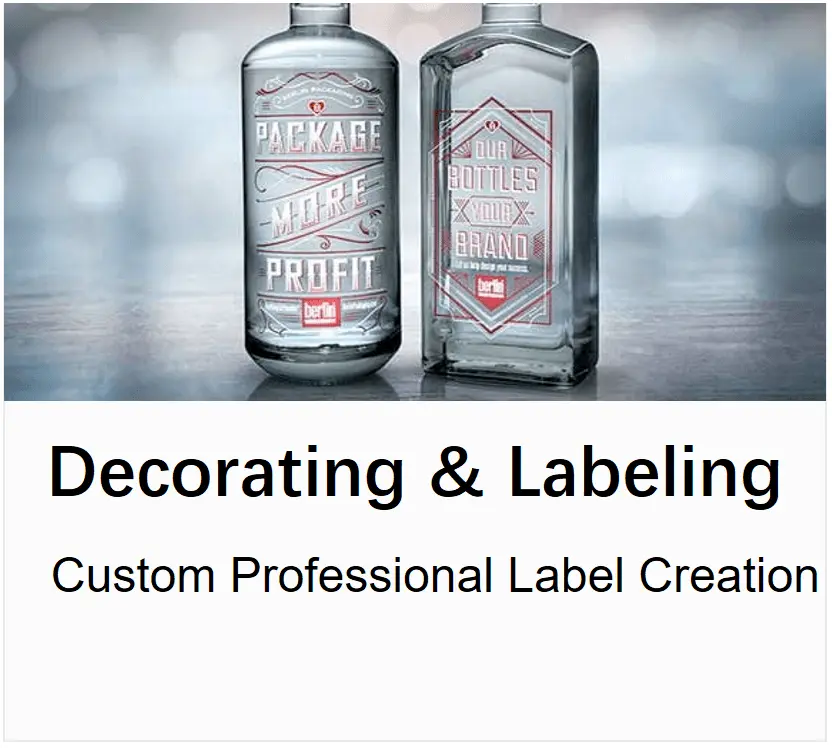
Yes. We offer customization options, including laser engraving, hot foil stamping, and embossed logos on wooden, metal, plastic, or natural cork top discs. These options provide visual brand distinction and anti-counterfeiting benefits.
Our systems comply with global quality management frameworks, food safety codes, and chemical safety criteria.

Choose from a variety of glass styles, custom colors, and sizes to complete your product line.
 QLT Glass