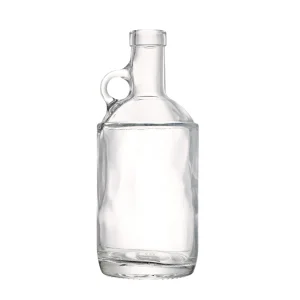
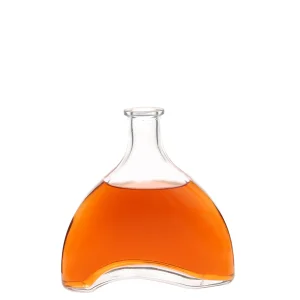
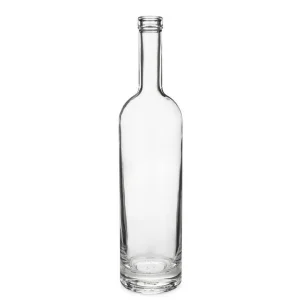
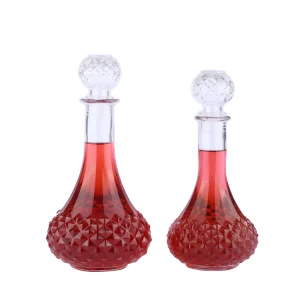
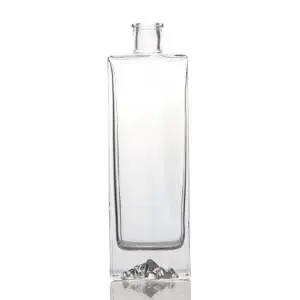
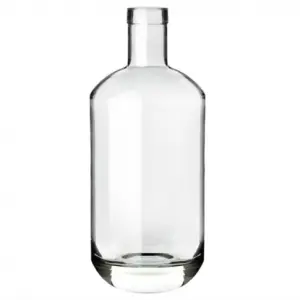
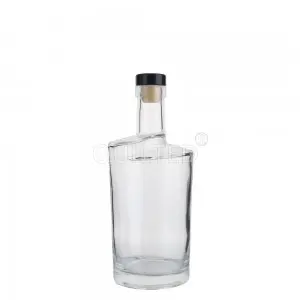
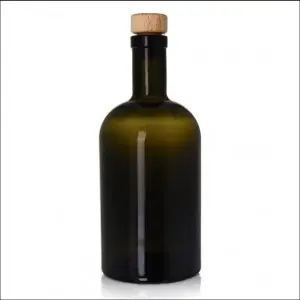
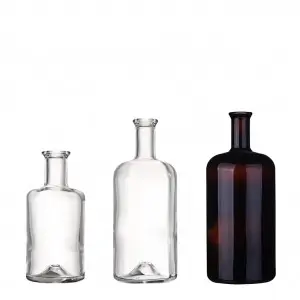
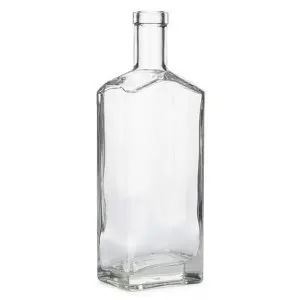
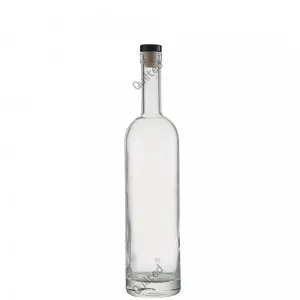
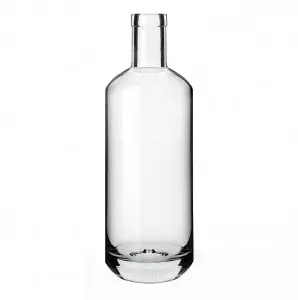
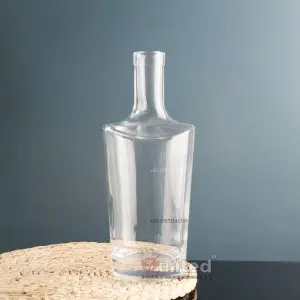
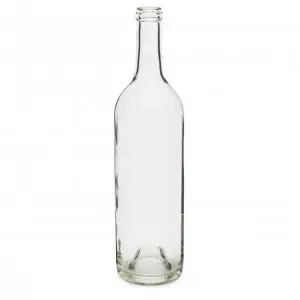
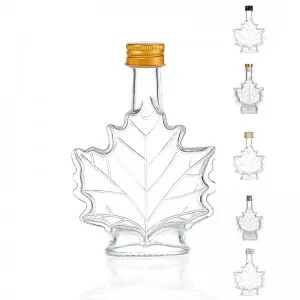
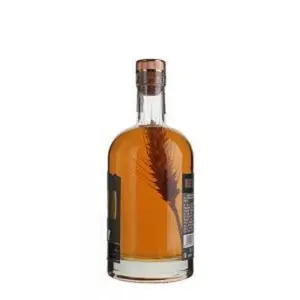
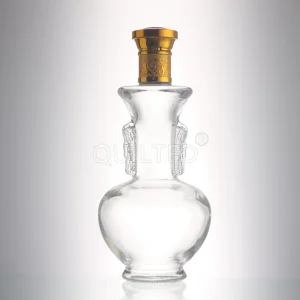
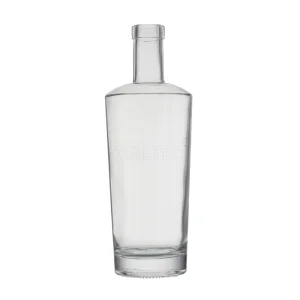
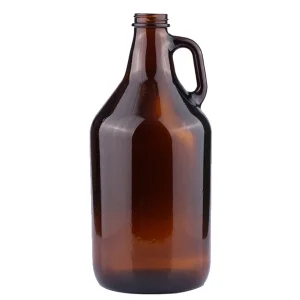
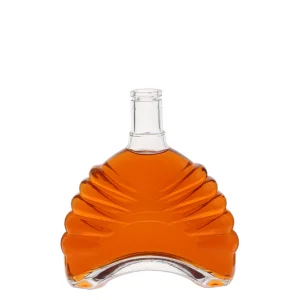
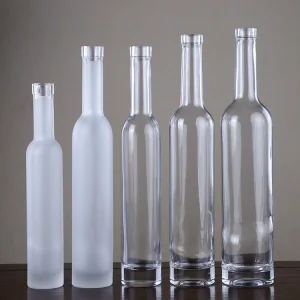
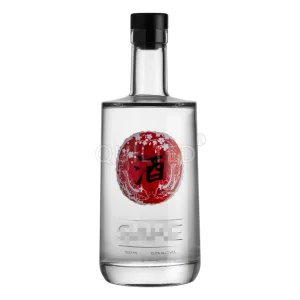
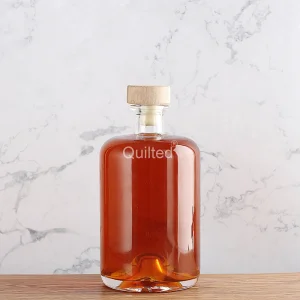
Explore our premium selection of precision-formed glass bottles, engineered to optimize shelf-standout and structural integrity on modern filling lines.
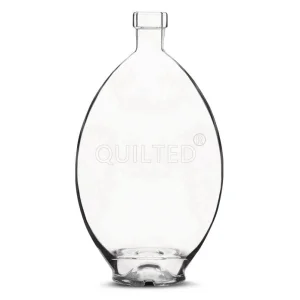
In the highly competitive global spirits and wine market, container geometry has transcended simple containment functionality to become a vital strategic asset. Brand positioning is directly tied to sensory packaging perception. In an era where consumers seek premiumization, the physical shape, weight, and clarity of a glass vessel serve as primary markers of quality. According to recent beverage packaging indices, custom shapes increase consumer shelf engagement by over 45%, directly influencing purchasing decisions in high-volume retail sectors.
Historically, standard cylindrical configurations dominated manufacturing runs due to lower processing complexity. However, advances in CAD packaging design and automated molding processes have enabled the massive rollout of custom configurations. Distilleries globally now demand geometries that tell a unique brand story—whether it's the steep, clean shoulders of premium gin lines or the heavy, deep-seated punt designs characteristic of high-end heritage whiskeys. Meeting this demand requires manufacturers to implement agile tooling platforms that balance artistic bottle geometries with operational performance on high-speed filling machinery.
“Packaging geometry is the silent ambassador of liquid value. A bespoke shape not only establishes immediate visual authority but also protects against brand counterfeiting in global emerging markets.”
How we bridge advanced glass manufacturing technology with functional industrial packaging requirements.

Our premier custom bottle manufacturing service, supported by an optimized global supply chain, seamlessly transforms your branding concepts into high-tolerance, structurally sound glass packaging solutions.

Crafting custom glass packaging solutions in our state-of-the-art facility allows us to reduce unit costs, ensure tight dimensional tolerances, and guarantee swift delivery of premium finished goods.

Take advantage of our complimentary glass sample services to evaluate clarity, volume accuracy, and neck-finish compatibility prior to initiating volume production runs.
Engineering high-quality glass packaging involves a careful balance between aesthetics and fluid dynamics. Standard parameters like neck-to-body ratios directly influence pouring behaviors and consumer usage. For example, a wider shoulder geometry creates an internal chamber that alters liquid flow, generating distinct glugging actions that can enhance the consumer's sensory experience.
From a structural standpoint, non-cylindrical bottle shapes present unique challenges in stress distribution. Corners and sharp angles are naturally prone to concentration of mechanical stress. To mitigate structural weakness during shipping and handling, our design team uses Finite Element Analysis (FEA) to simulate drop impact profiles and internal pressure limits. By optimizing glass thickness in high-stress zones, we ensure even standard-weight and lightweighted custom shapes easily withstand vertical load limits of over 3,000 Newtons.
Modern glass fabrication is undergoing a major shift driven by strict global carbon-reduction regulations and corporate sustainability targets. One of the most effective ways to lower the carbon footprint of glass production is by increasing the ratio of Post-Consumer Recycled (PCR) glass, or cullet, in the raw material mix. Integrating recycled glass allows furnaces to run at lower temperatures, reducing energy consumption and related greenhouse gas emissions.
In addition to incorporating cullet, lightweighting technology has become essential for eco-friendly glass packaging. Historically, heavy glass packaging was associated with high quality, but modern engineering allows us to reduce wall thickness while maintaining structural integrity. Using Narrow Neck Press Blow (NNPB) molding technology, we can manufacture glass containers that are up to 30% lighter than standard glass. This results in reduced raw material consumption and lower transportation emissions throughout the supply chain.
In Stock, On Time: QLT Glass, Your Swift Solution for Premium Packaging. Ready to Ship Excellence!
Producing heavy-base flint glass requires careful monitoring of thermal parameters and material composition. The timeline below illustrates the sequential stages involved in manufacturing our high-end glass packaging solutions:
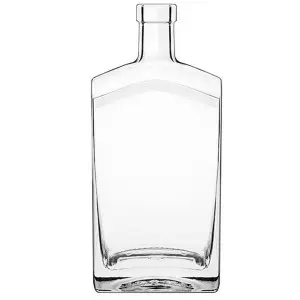
Packaging preferences vary significantly across regional spirits markets. In North America, craft distilleries tend to favor robust, heavy-base decanters with round or rectangular bodies for premium bourbons and whiskeys. These designs convey heritage and value, often featuring wide cork finishes to enhance the premium opening experience.
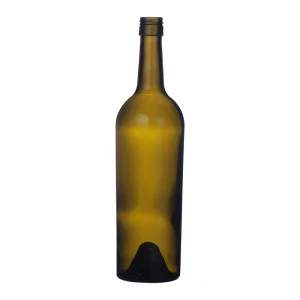
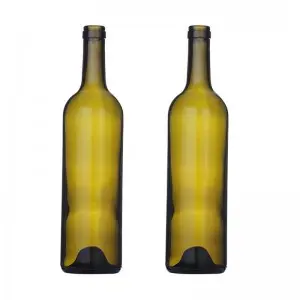
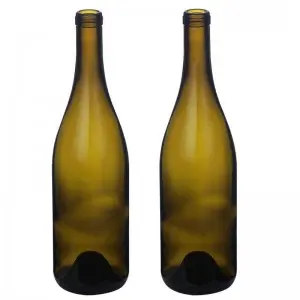
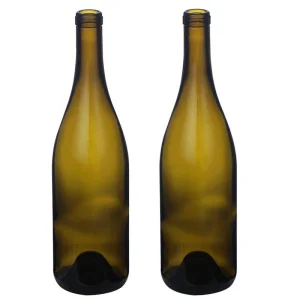
Conversely, European markets show a strong preference for lightweighted, sleek silhouettes, driven by strict environmental standards and packaging waste regulations. Our production capabilities allow us to meet these diverse needs, offering everything from traditional Antique Green Burgundy wine bottles to custom-designed vodka bottles tailored to regional consumer expectations.
As a leading Chinese glass bottle manufacturer, we take pride in our ability to manage glass packaging production from start to finish. Our integrated processes cover raw material crushing and mixing, precise batching, melting, shaping, and detailed annealing, ensuring consistent quality at every stage of production.
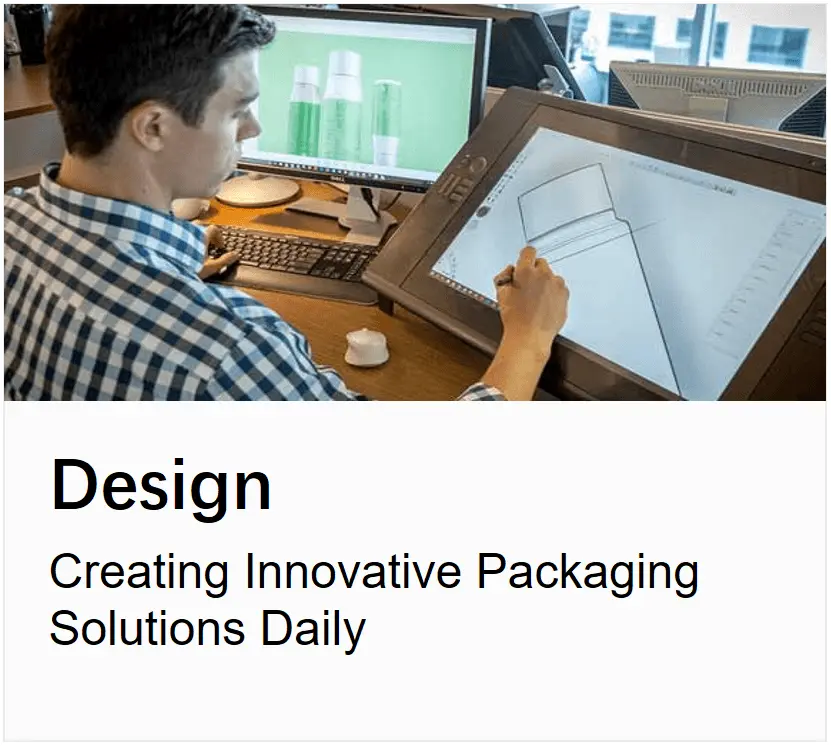
By integrating design and manufacturing on a single platform, we reduce cycle times and lower mold tooling costs. This allows us to serve craft startup distilleries as well as large international beverage brands with equal efficiency and precision.
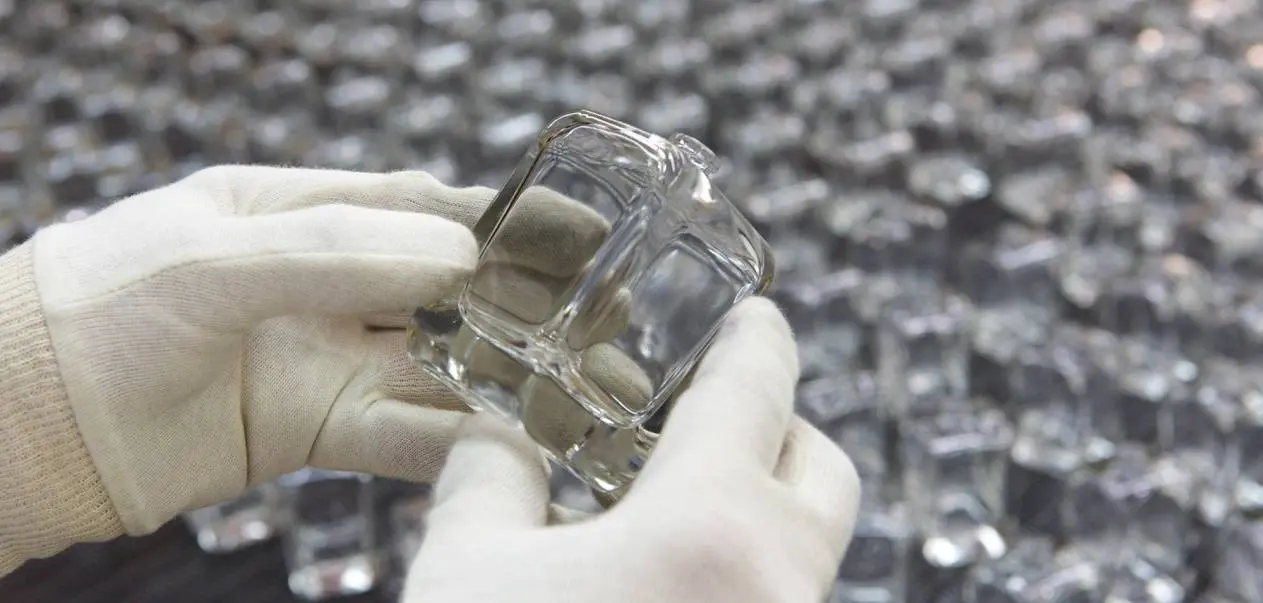
Our integrated approach covers everything from raw material mixing to precision forming and surface treatments, delivering tailored packaging solutions that stand out on retail shelves.
Expert insights regarding technical specifications, tooling setup, quality assurance benchmarks, and order fulfilment protocols.
Explore our classic, specialty, and custom-moulded collections designed to meet the demands of global bottling and distribution operations.
 QLT Glass