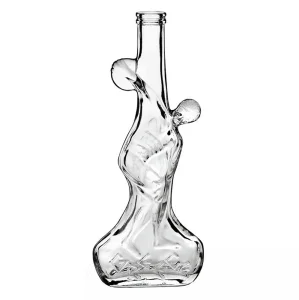
Explore our high-performance glass vessels optimized for precise fill volumes, structural durability, and custom branding requirements.
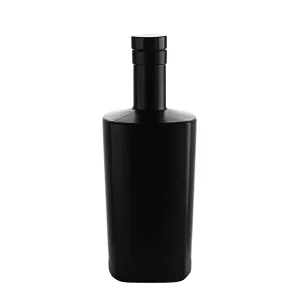
An authoritative analysis of glass vessel metrics, volumetric engineering, and strategic B2B specification sourcing.
For global beverage brands, choosing the right glass container is more than an aesthetic choice—it is a critical alignment of supply chain efficiency, legal compliance, and consumer perception. The milliliter (ml) capacity of wine glasses and packaging bottles dictates not only the pour size but also how the liquid interacts with oxygen, the shelf life of the product, and its market positioning.
From a manufacturing standpoint, glass capacities are generally divided into standardized, commercialized, and highly customized categories. Let's break down the engineering of standard sizes:
As a leading Chinese glass manufacturer, we emphasize the chemical engineering behind high-end packaging. Not all glass is created equal. The mechanical strength, clarity, and chemical resistance of a bottle depend heavily on the batch composition. We utilize premium soda-lime-silica glass, formulated with optimized levels of silica (SiO2), sodium oxide (Na2O), and calcium oxide (CaO).
For high-clarity needs, such as premium vodka or premium light spirits, we utilize Extra Flint Glass. This process requires ultra-pure raw materials with extremely low iron content (less than 0.02% Fe2O3) to eliminate the natural greenish-yellow tint of standard glass. The resulting material provides a crystal-clear display, accentuating the true color of the liquid inside.
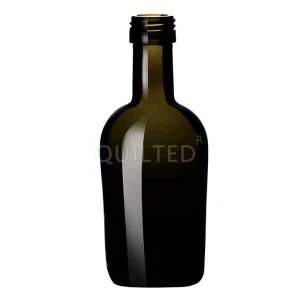
Conversely, for UV-sensitive products such as fine wines and aged spirits, we manufacture bottles in Amber and Antique Green Glass. These colors are achieved through the precise introduction of iron, sulfur, and carbon during the melting process. This creates a chemical barrier that filters out harmful ultraviolet wavelengths (specifically in the 300nm - 460nm range) to prevent light-struck off-flavors and guarantee taste integrity over years of cellaring.
Modern glass manufacturing requires a massive capital investment and an integrated supply chain to operate continuously. Our state-of-the-art facilities in China leverage these systemic factors to offer unparalleled quality and cost benefits to global brands:
Our operational cycle starts at the source. By managing the crushing and mixing of quartz sand, soda ash, limestone, and cullet (recycled glass) in-house, we control quality from the molecular level. Our processes span batching, melting in high-efficiency natural gas-fired furnaces, high-speed automated forming, and precise annealing in temperature-controlled lehrs. This integration minimizes transport delays, controls raw material costs, and reduces the carbon footprint per bottle.
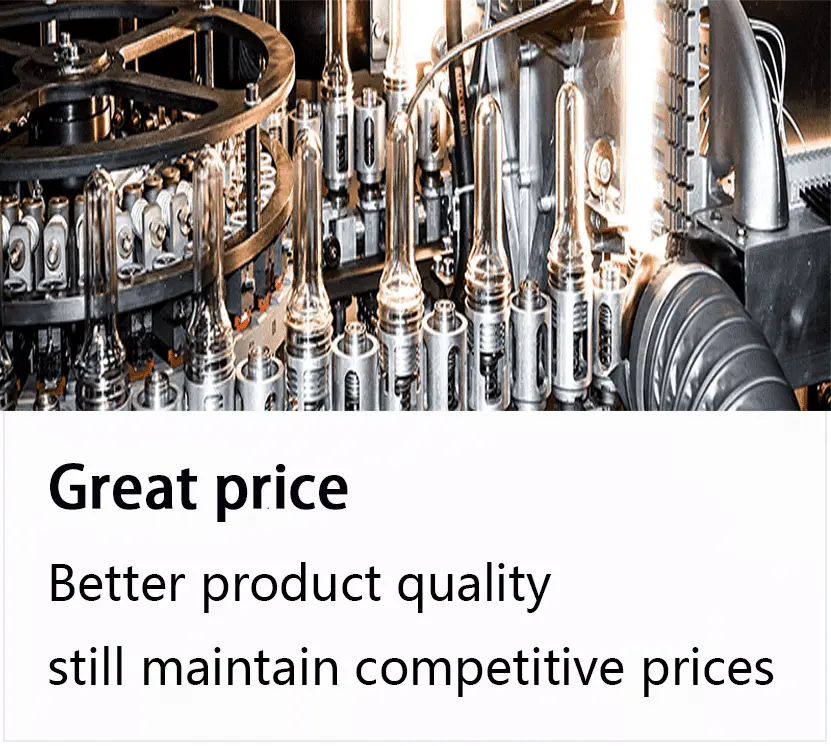
Our production floor features advanced IS forming machines capable of executing both "Blow-and-Blow" (BB) and "Press-and-Blow" (PB) methodologies. The Press-and-Blow method allows us to achieve incredibly consistent glass wall thickness, which is a major cost-saver as it allows for lightweighting—reducing the total glass weight of a bottle by up to 20% while maintaining the same outer dimensions and structural load capacities.
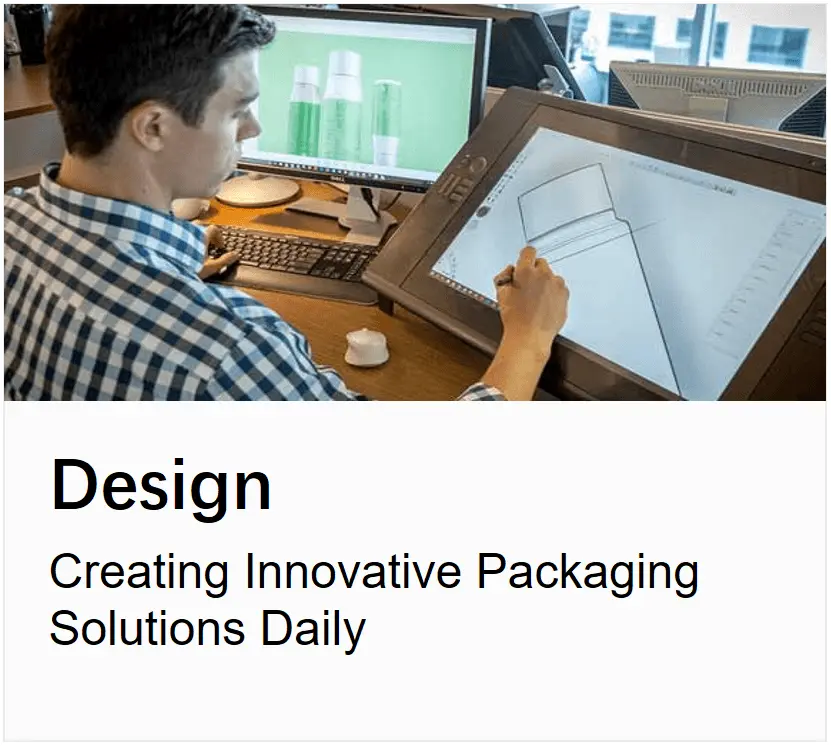
While European factories often demand lead times of 6 to 9 months for custom runs, our optimized Chinese manufacturing infrastructure can take a custom bottle design from CAD drawing, through 3D-printed plastic mockup, to physical steel-molded sample within 20 to 30 days. We run high-efficiency production lines that operate 24/7, providing consistent output for large-scale global product rollouts.
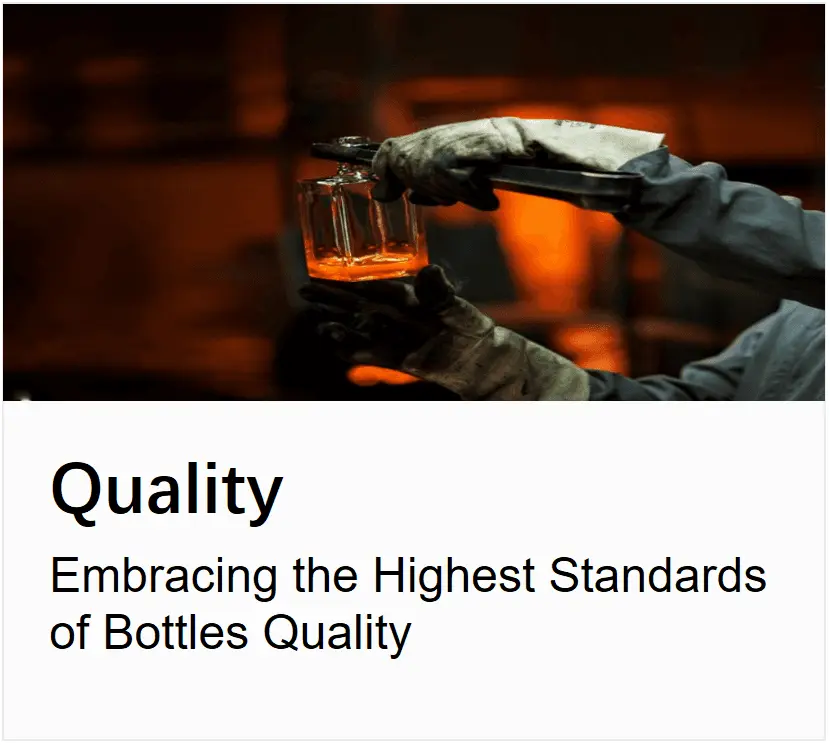
Exporting to highly regulated markets like the United States (FDA), the European Union (LFGB/EC 1935/2004), and Japan requires strict adherence to safety standards. Our QA protocols ensure that every bottle delivered is compliant:
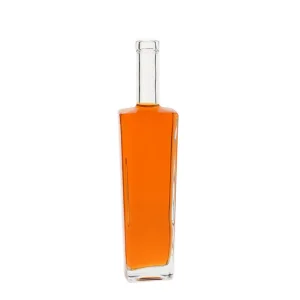
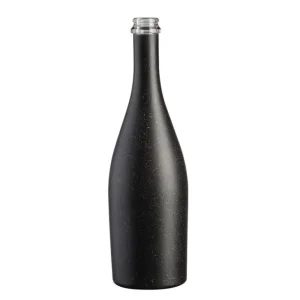
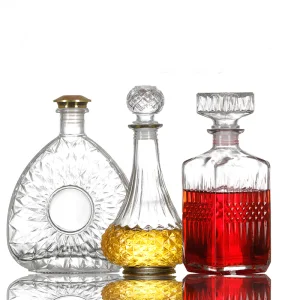
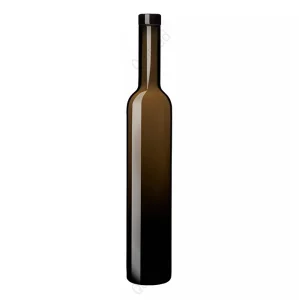
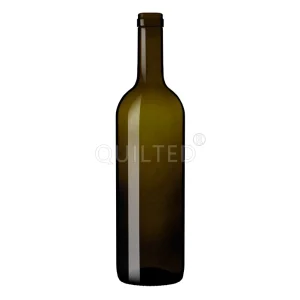
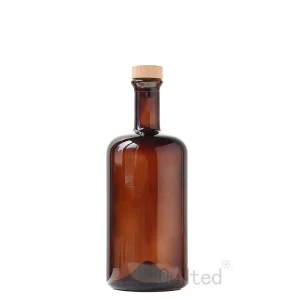
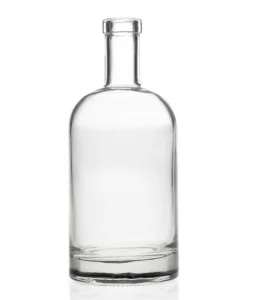
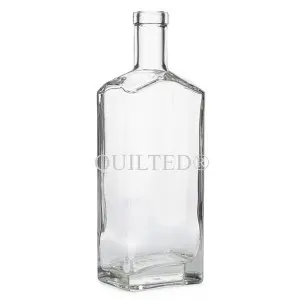
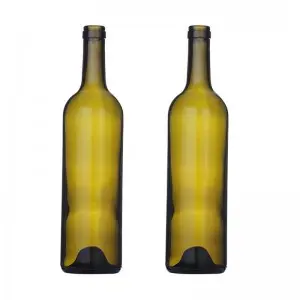
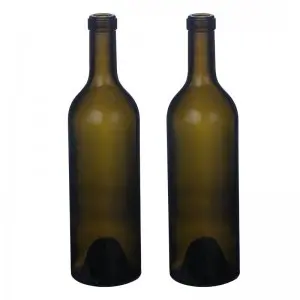
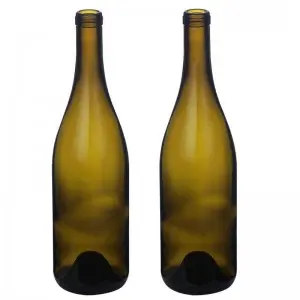
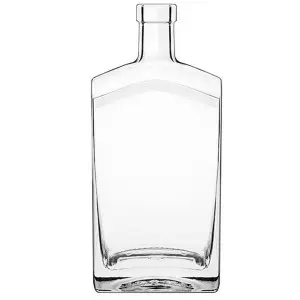
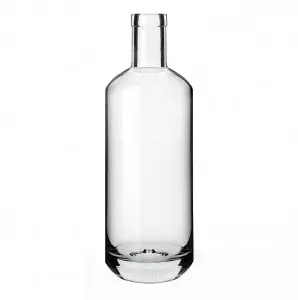
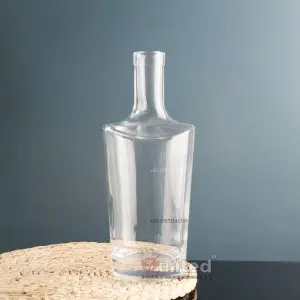
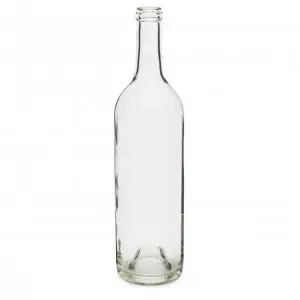
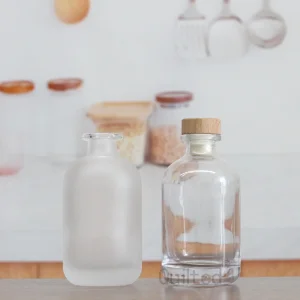
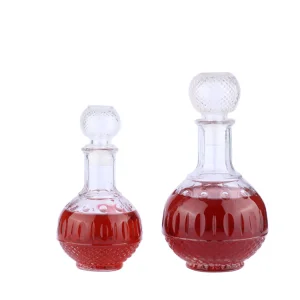
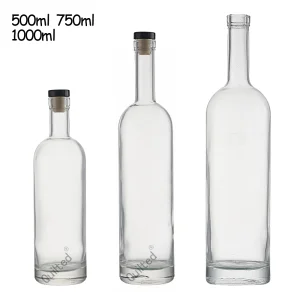
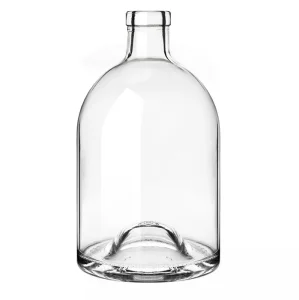
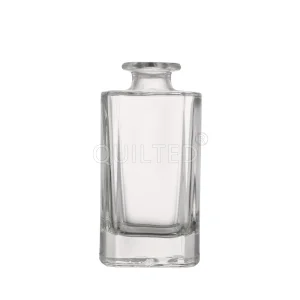
Our premium catalog features a wide array of standardized shapes and custom design capabilities for global spirit and wine brands.
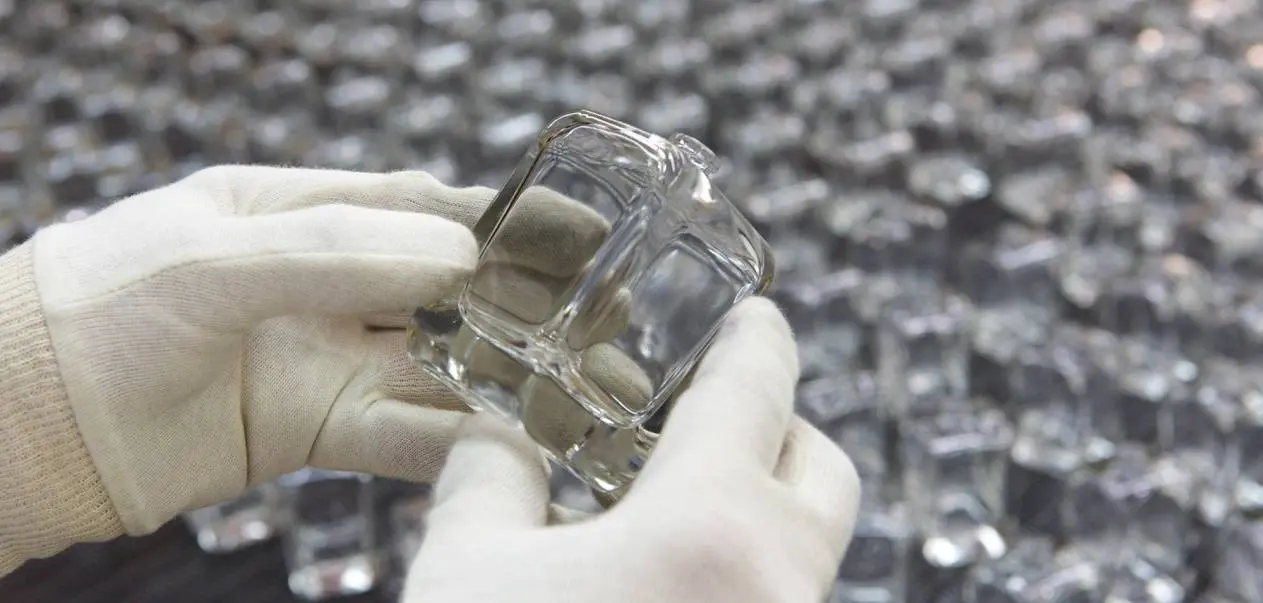
As a leading Chinese glass bottle manufacturer, we take pride in our ability to produce glass bottles from start to finish. Our integrated processes encompass raw material crushing and mixing, precise batching, melting, shaping, and meticulous annealing, ensuring top-notch quality at every step.
By continually investing in state-of-the-art automation and advanced defect inspection technology, we serve major wineries, craft distilleries, and global beverage conglomerates. Our production model balances mass efficiency with flexible customization, ensuring that your packaging communicates premium value in every retail market.
Read Our Full StoryGlobal brands are working to reduce their carbon footprint. Lightweight glass containers (reducing the raw weight of glass while maintaining structural integrity) offer two major benefits: lower logistics costs and smaller carbon footprints. By utilizing advanced Press-and-Blow manufacturing and FEM (Finite Element Method) stress analysis, we produce lightweight glass bottles that can handle filling pressures and transit stress, reducing carbon tax liabilities for importing brands.
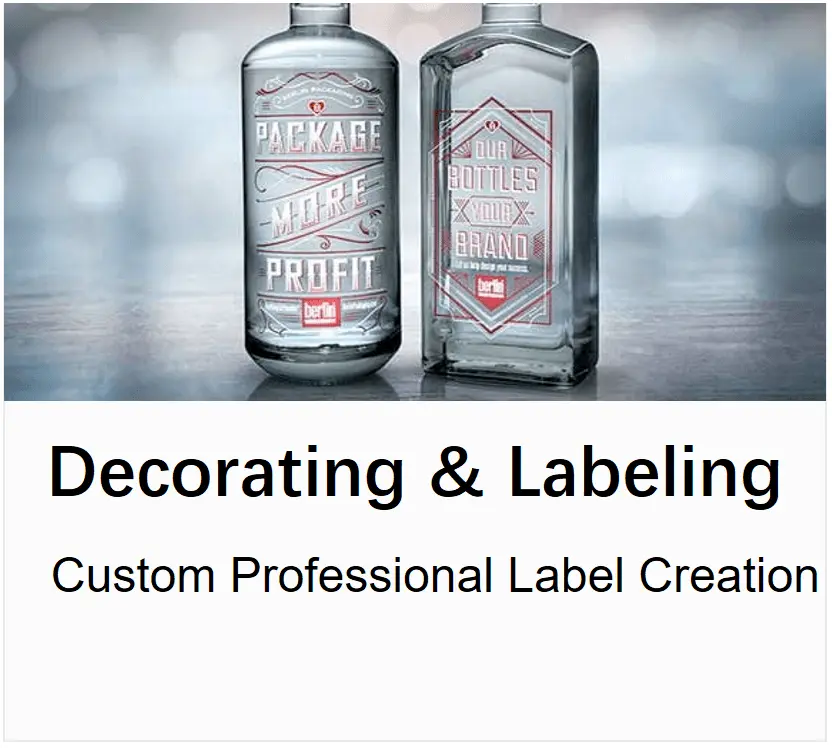
To stand out in a crowded market, premium spirit brands rely on custom treatments. We offer complete post-processing services, including:
Direct answers from our senior engineering and supply chain management teams.
From craft spirits to premium vodka decanters, our selection meets diverse B2B design specifications.
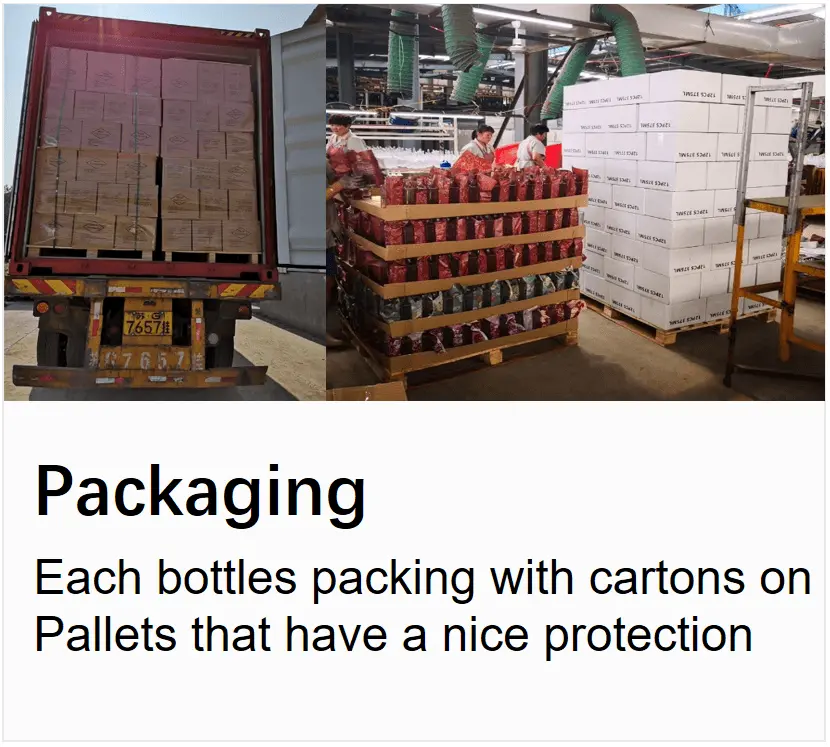
Working with major inspection bodies and global ocean shipping carriers to deliver flawless glass containers.
 QLT Glass