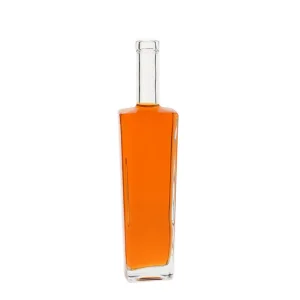
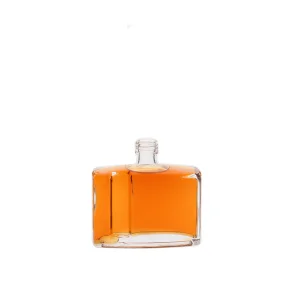
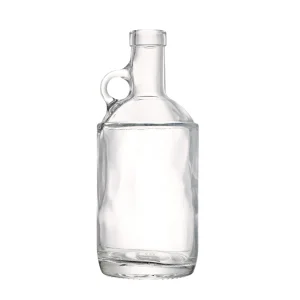
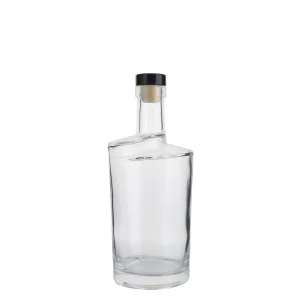
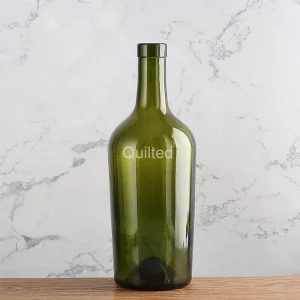
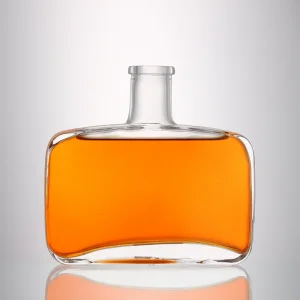
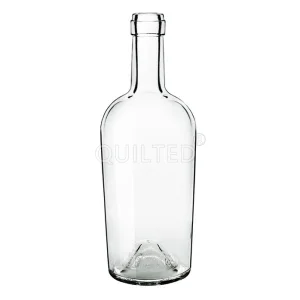
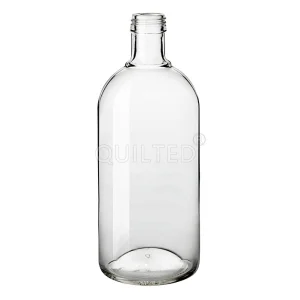
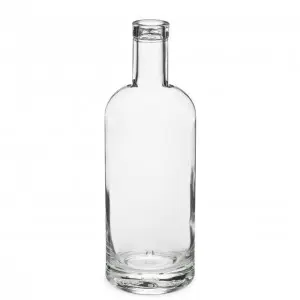
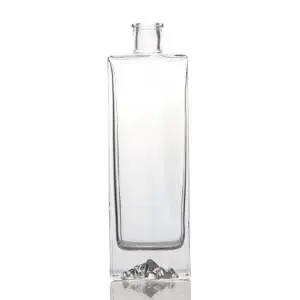
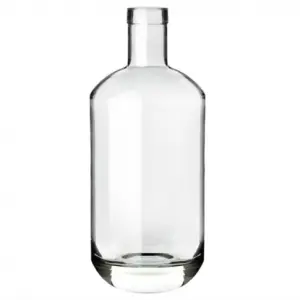
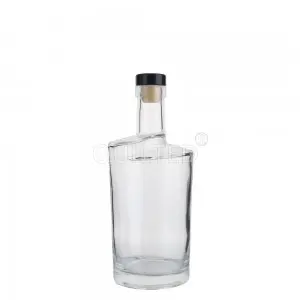
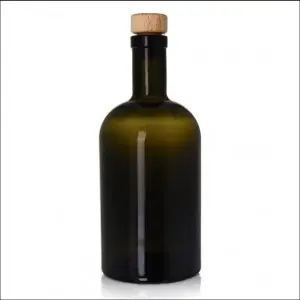
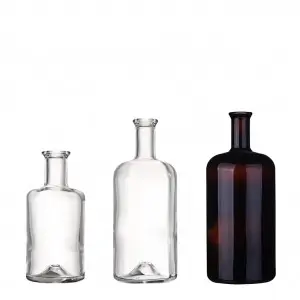
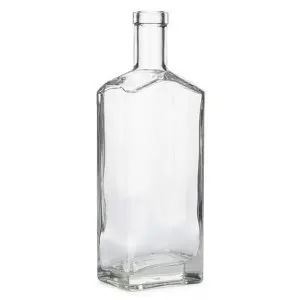
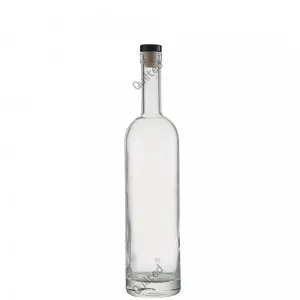
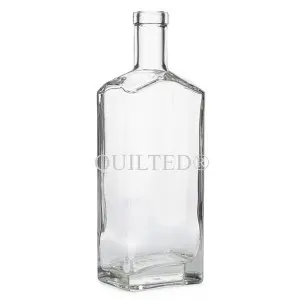
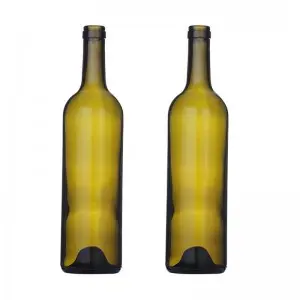
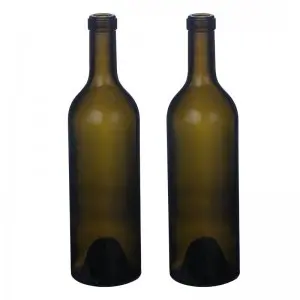
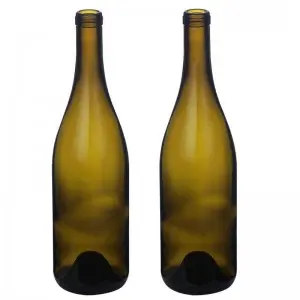
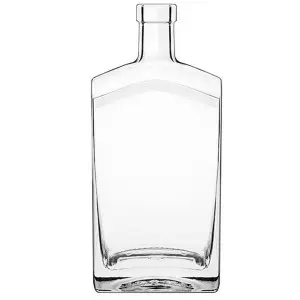
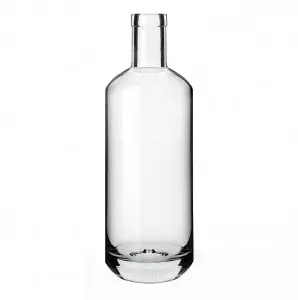
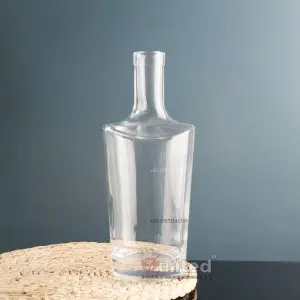
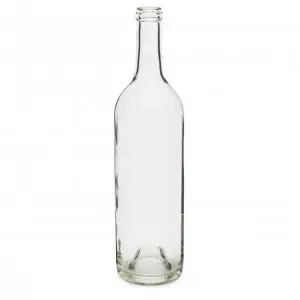
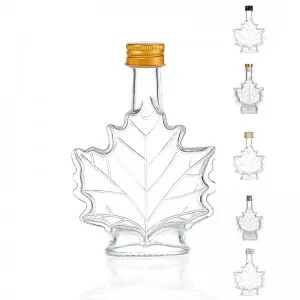
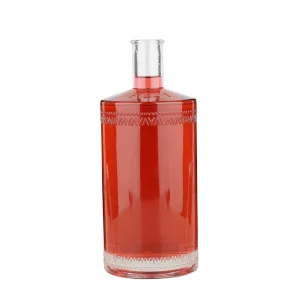
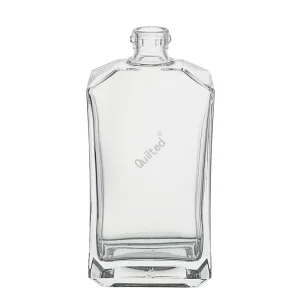
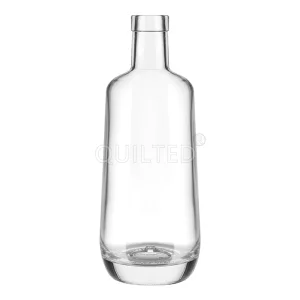
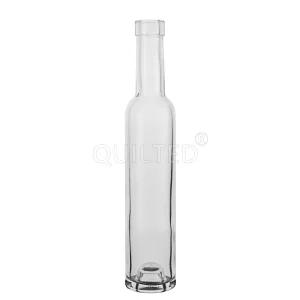
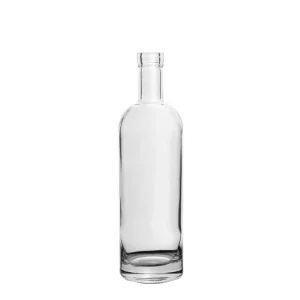
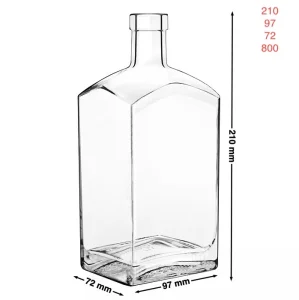
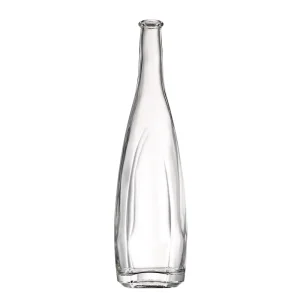
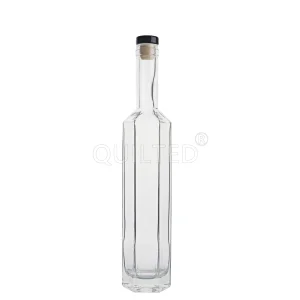
Premium empty glass containers optimized for structural resilience, high-speed automated bottling integration, and cosmetic clarity.
The global wine and spirits packaging industry is undergoing a profound paradigm shift. Historically, European glass houses dominated the premium markets. However, high energy tariffs, supply chain delays, and raw material volatility have driven multinational beverage brands to identify robust, tech-enabled, and cost-effective alternatives. Today, China stands as a global hub for premium glass bottle manufacturing, offering an unprecedented balance of economies of scale, technological sophistication, and reliable distribution infrastructure.
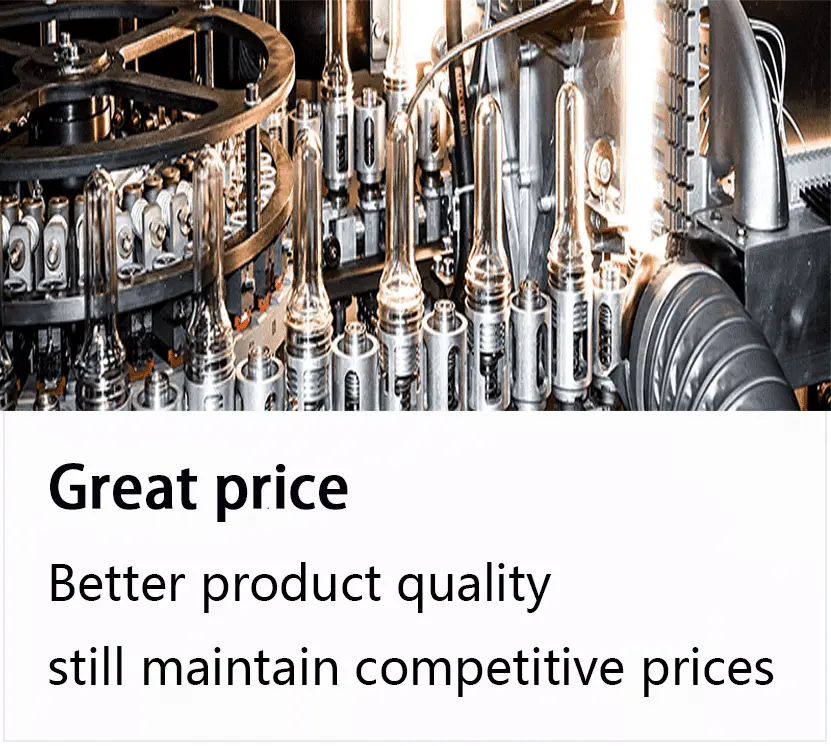
Modern Chinese glass suppliers utilize highly automated operations, employing Individual Section (IS) machines, computerized inspection systems, and advanced metallurgical formulas. By implementing state-of-the-art technologies, manufacturers produce glass of exceptional clarity (extra-flint glass) while meeting strict global guidelines for lead and toxic metal limits, including compliance with European Union (EU) standards and United States FDA criteria.
Enterprise procurement executives look beyond the unit price. They seek structural integrity, resilience against thermal shock during pasteurization and hot-filling, and compliance with the Total Packaging Toxics Clearinghouse (TPCH) criteria. These metrics define whether glass suppliers can deliver long-term production feasibility.
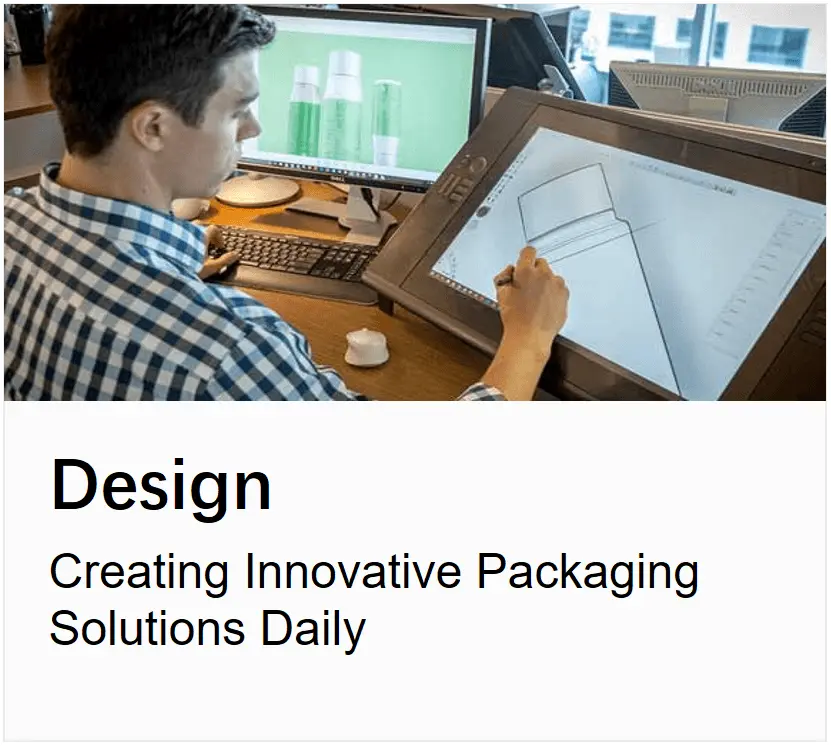
Delivering concept-to-shelf solutions with vertically integrated design, tooling, and execution pipelines.

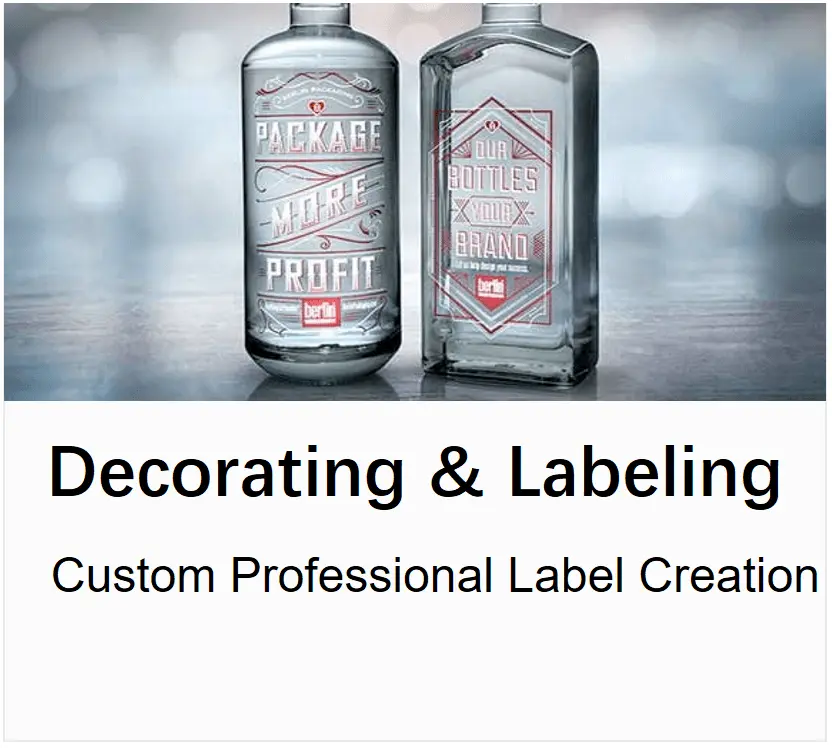
Our premier custom bottle manufacturing service, with an optimized supply chain, seamlessly transforms your concepts into stunning packaging solutions.
Learn More →
Crafting our custom glass packaging solutions within our state-of-the-art bottling facility enables us to drive down costs while ensuring swift delivery of top-notch finished goods.
Tour Facility →
Avail yourself of our complimentary glass bottle samples, aiding you in solidifying your decision to invest in our premium glass bottle selections, facilitating bulk purchases with confidence.
Request Sample →Managing large-scale B2B liquor packaging demands a profound grasp of mechanical engineering. Liquid expansion coefficient dynamics require precise calculations of fill points and headspace volumes. Whether manufacturing containers for 40% ABV spirits or carbonated sparkling wines, the structural configuration of the container dictates line efficiency and prevents breakages.
"High-speed bottling plants operating at 30,000+ bottles per hour require flawless diameter consistency, perpendicularity tolerances within 0.5mm, and thermal shock thresholds exceeding 42°C. Even micro-defects in the glass structure can lead to line shutdown."
Our technical roadmap integrates advanced glass chemistry:
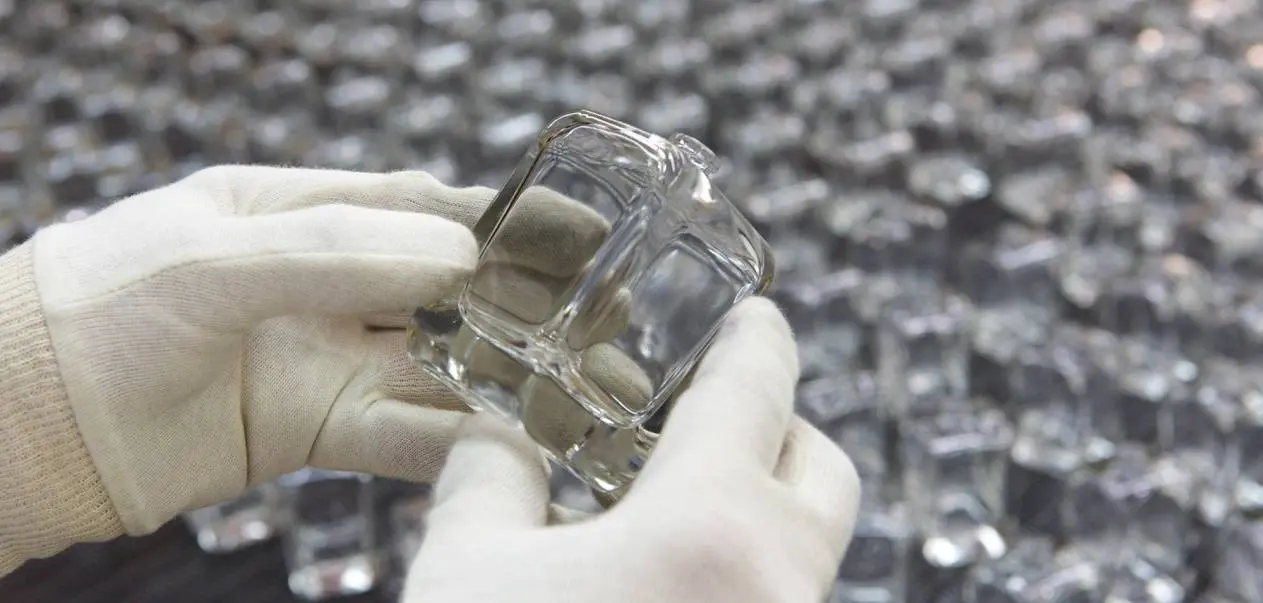
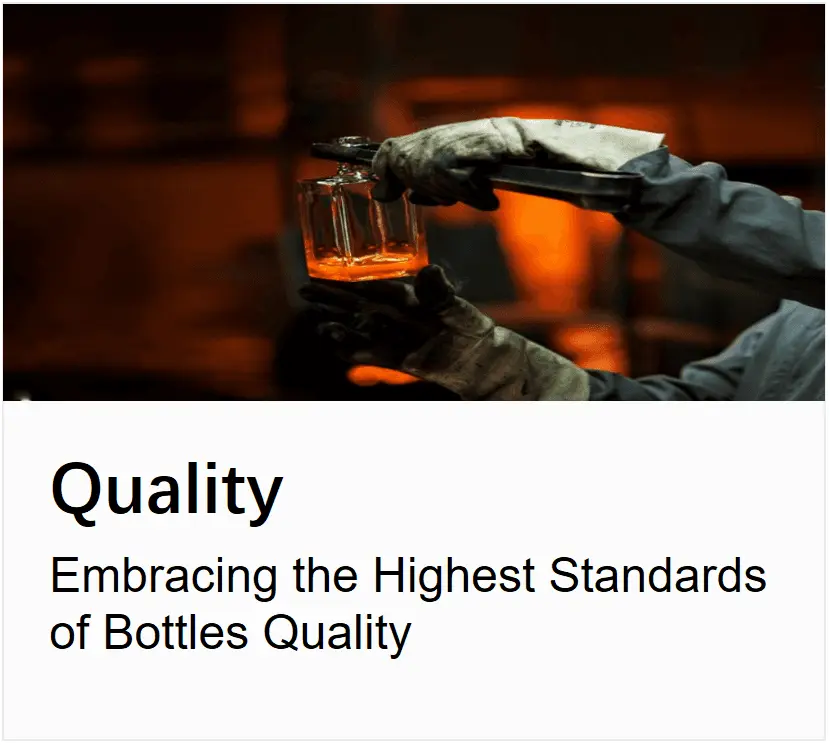
As a leading Chinese glass bottle manufacturer, we take pride in our ability to produce glass bottles from start to finish. Our integrated processes encompass raw material crushing and mixing, precise batching, melting, shaping, and meticulous annealing, ensuring top-notch quality at every step.
Read All →In Stock, On Time: QLT Glass, Your Swift Solution for Premium Packaging. Ready to Ship Excellence!
Sustainable packaging design is no longer a corporate choice; it is an economic and regulatory necessity. The EU Packaging and Packaging Waste Regulation (PPWR) and US State-level EPR bills enforce strict targets on weight and post-consumer recycled glass ratios. Our future roadmap focuses on:
This technical framework reduces transportation carbon footprints, offsets container taxes, and appeals directly to eco-conscious consumers.
Precision-made claret, burgundy, bordeaux, and bespoke custom flasks designed for international logistics networks.
Managing transit risks is critical when importing glass bottles in large quantities. Since glass is relatively heavy, securing competitive shipping rates and minimizing breakage are primary operational goals.
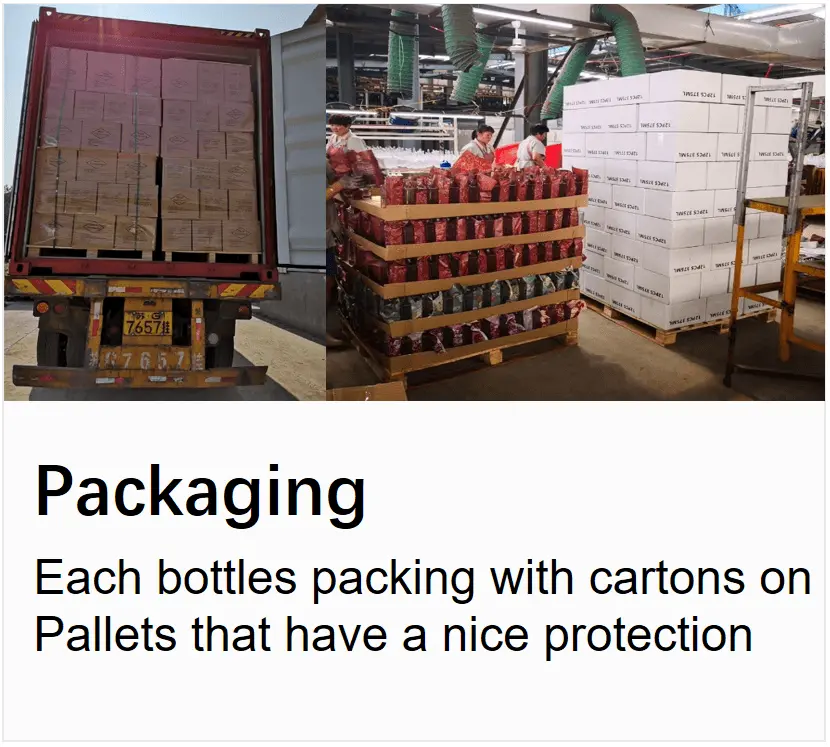
Modern Chinese glass suppliers mitigate shipping risks through optimized palletization designs. High-density bulk packaging utilizes heavy-duty cardboard separators, secure plastic shrink-wrap, and impact-absorbing base structures to protect cargo.
Additionally, custom clearance is simplified by providing complete documentation beforehand. From providing precise Harmonized System (HS) codes to certifying heavy metal levels via SGS tests, selecting an experienced global manufacturing partner protects your business from demurrage fees and unexpected import delays.
Highly specialized shapes and volumes featuring flint and extra-flint options to accommodate diverse brand identities.
Internationally audited facilities conforming to stringent food safety, glass quality, and environmental compliance frameworks.
Critical industrial engineering, ordering pipelines, and customization questions resolved by our production department.
 QLT Glass