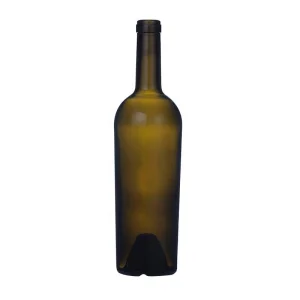
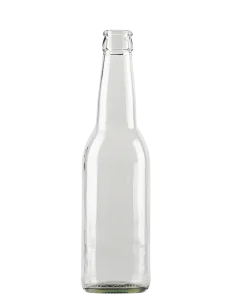
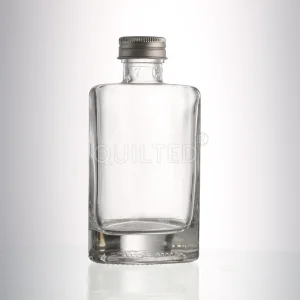
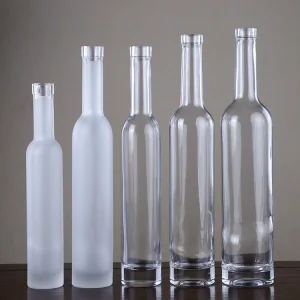
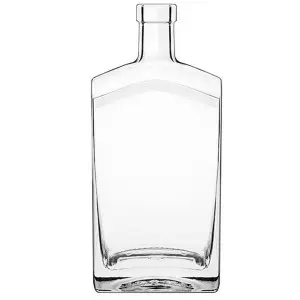
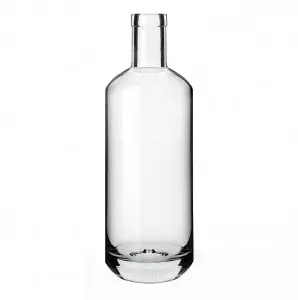
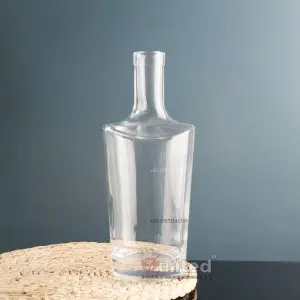
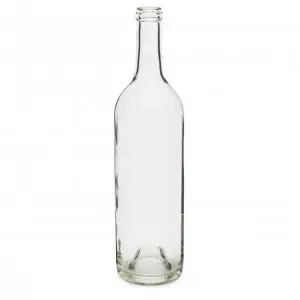
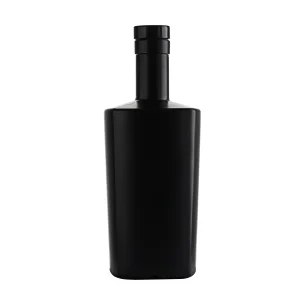
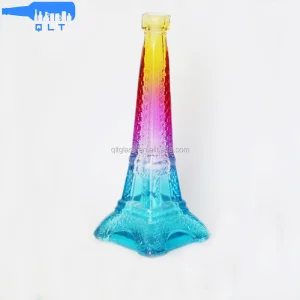
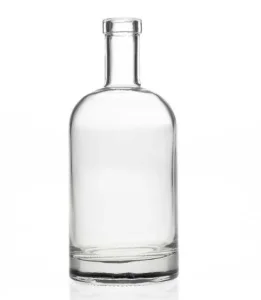
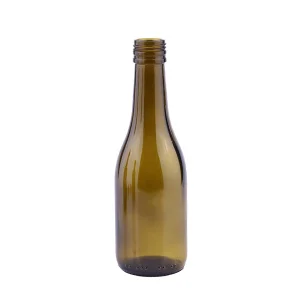
The global glass wine packaging market is undergoing a structural paradigm shift. Driven by stricter ESG mandates, shifting consumer preferences for sustainable packaging, and the rise of premiumization, wineries worldwide are re-evaluating their supply chains. The traditional heavyweight glass bottle is no longer the sole marker of luxury. Instead, modern buyers look for structural integrity, dimensional tolerance consistency, and optimized thermal performance. The transition towards lightweighting (reducing bottle weight from >600g to under 420g for table wines) is key to shrinking transit carbon footprints without sacrificing vertical load strength.
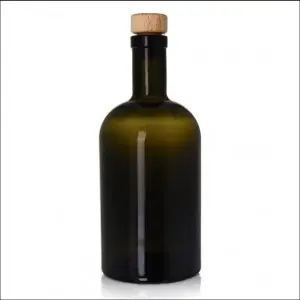
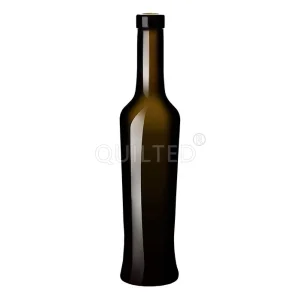
Concurrently, the demand for classic shapes like the Bordeaux, Burgundy, Champagne, and Alsace styles remains high. The selection of glass color—ranging from Extra Flint for clear visibility to Antique Green and Amber for maximum UV radiation blockage—plays a critical role in preserving organic compounds in fine wines. For estate wineries and large-scale importers, finding a supplier that marries aesthetic precision with rigorous laboratory testing (such as thermal shock limits, internal pressure tolerances, and lead-free compliance) is vital to mitigating packaging risk.
Cullet Recycled Content Option
Average Internal Burst Strength
Dimensional Tolerance Rate
China's glass container industry has transformed through heavy investment in automation, eco-technology, and integrated raw material processing. Modern facilities feature continuous gas-fired regenerative furnaces and Individual Section (IS) machine configurations (double and triple gob setups). This guarantees structural uniformity across production runs of millions of units.
Beyond furnace efficiency, Chinese factories benefit from consolidated industrial clusters. Packaging materials, custom design, cartoning, and shipping ports are located within small geographic zones. This minimizes handling damage, speeds up raw batch processing, and ensures that custom-molded designs move from digital CAD files to physical 3D test samples faster than Western European and North American alternatives.

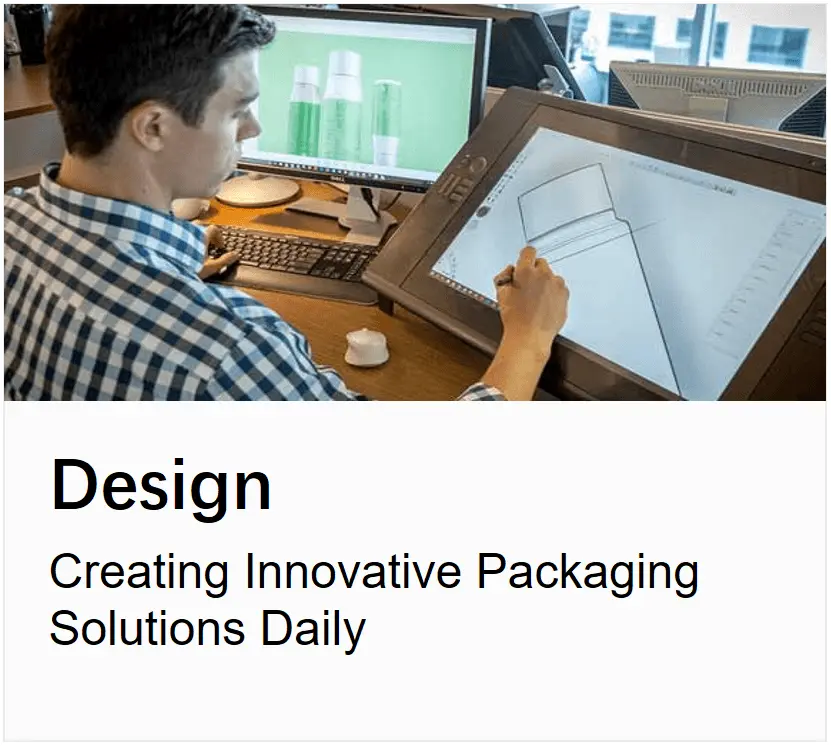
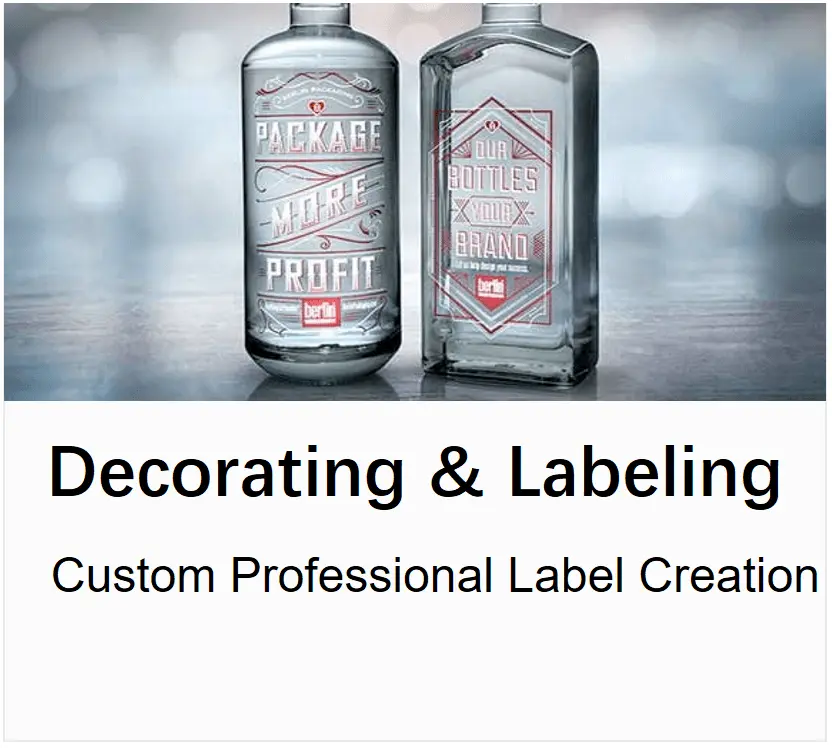
Our premier custom bottle manufacturing service, with an optimized supply chain, seamlessly transforms your concepts into stunning packaging solutions.

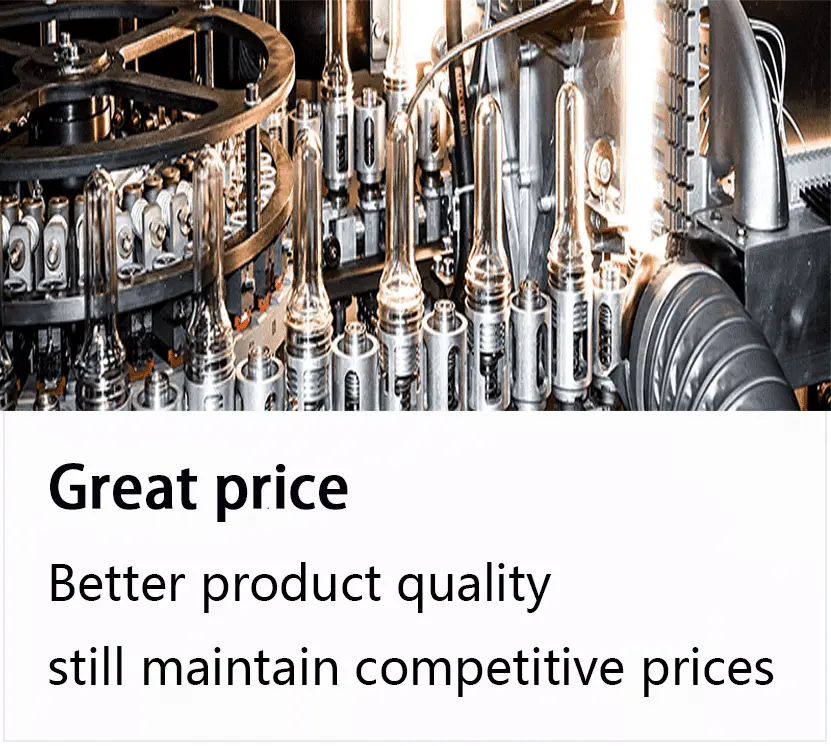
Crafting our custom glass packaging solutions within our state-of-the-art bottling facility enables us to drive down costs while ensuring swift delivery of top-notch finished goods.

Avail yourself of our complimentary glass bottle samples, aiding you in solidifying your decision to invest in our premium glass bottle selections, facilitating bulk purchases with confidence.
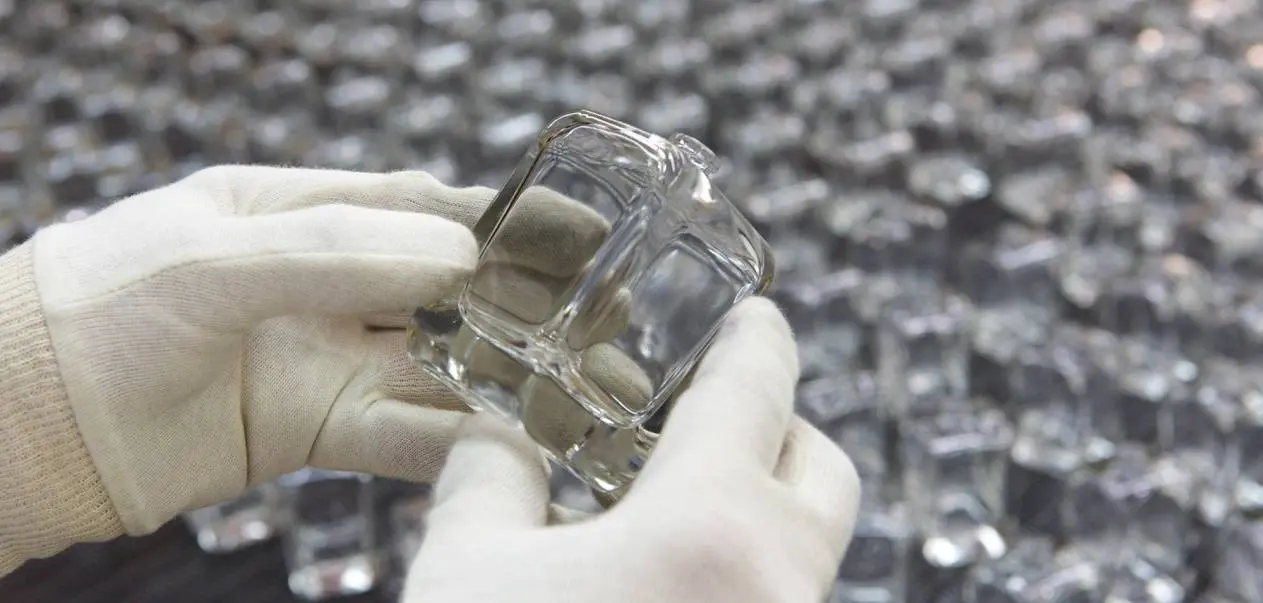
As a leading Chinese glass bottle manufacturer, we take pride in our ability to produce glass bottles from start to finish. Our integrated processes encompass raw material crushing and mixing, precise batching, melting, shaping, and meticulous annealing, ensuring top-notch quality at every step.
Our commitment to tech-driven glass production incorporates computerized thermal management, automated camera defects screening, and high-precision mechanical molds. We service dynamic global wineries, offering custom branding options and highly reliable batch runs.
Read AllIn the modern wine market, packaging goes beyond housing the liquid; it acts as a primary touchpoint for brand story and quality. Global supply chain procurement managers focus on three key variables: structural security, processing line optimization, and custom aesthetic options.
Antique Green and Amber glass compositions shield wines from oxidation by filtering out shortwave UV wavelengths (300nm-450nm).
Our bottles undergo strict annealing to withstand temperature variations of up to 40°C during hot filling and cold chain distribution.
Precision molding prevents variation at the neck finish, guaranteeing airtight seals with natural cork, synthetic bungs, or Stelvin closures.
Depending on the target market and wine type, structural bottle needs vary significantly:
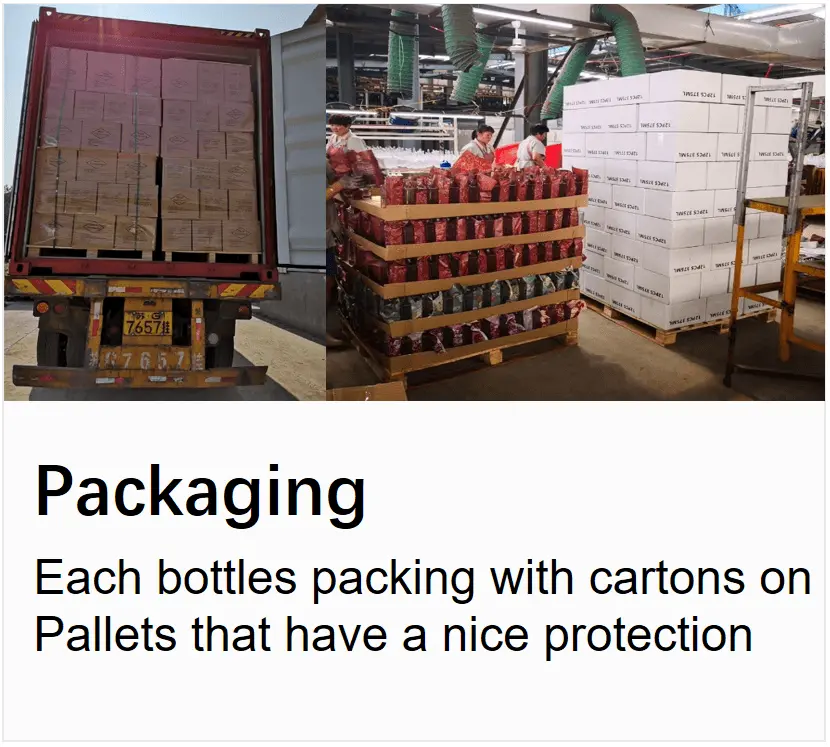
Purchasing glass bottles internationally requires attention to detail. Large bulk orders must use double-faced pallets with secure thermoplastic wrapping to prevent glass-on-glass abrasion during sea transit. Quality control teams look for factories offering low Acceptable Quality Limits (AQL) for critical issues like internal glass checks or thin walls, ensuring high filling efficiency and minimal downtime.
For custom bottles requiring bespoke molds (with custom lettering, logos, or unique base structures), standard MOQs range from 50,000 to 100,000 units per production cycle. This volume is necessary to optimize the thermal stability of our continuous-melt furnaces. For stocked shapes, smaller runs can be arranged depending on production schedules.
The punt, or dimple, strengthens the bottle bottom to withstand internal carbonation pressure (crucial for sparkling wines) and dynamic impacts on conveyor lines. For still red wines, a deep punt helps collect sediment, separating it from the wine when decanting.
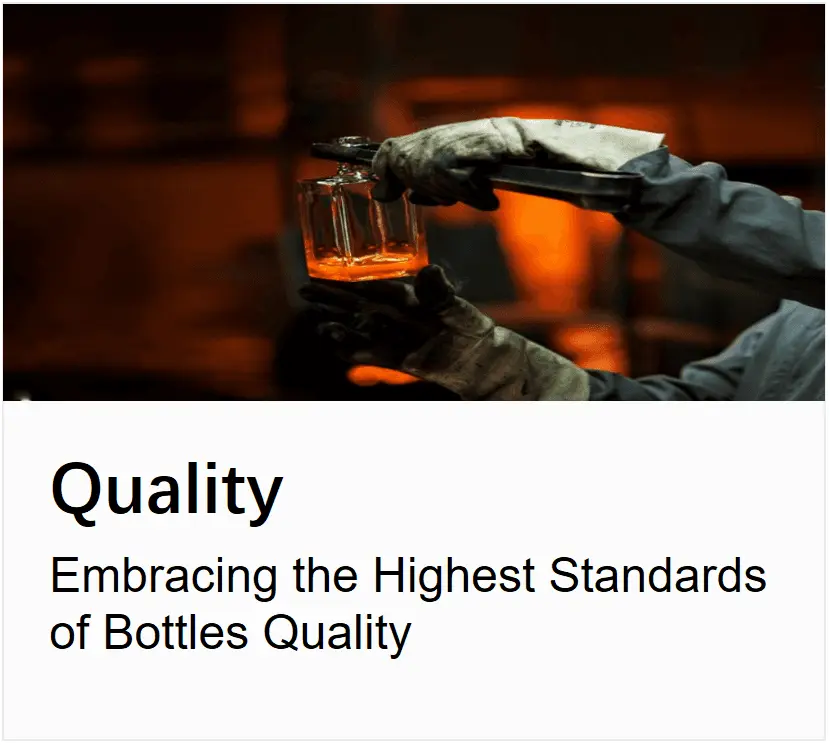
We use automated inline inspection equipment on the cool side of the annealing lehr. Ultrasonic sensors measure wall thickness, while optical systems check for internal stress. We also run batch destructive testing, checking thermal shock durability by heating bottles to high temperatures and plunging them into cold water.
Yes. All of our glass packaging uses soda-lime-silica materials that comply with FDA Title 21 CFR and EU Regulation (EC) No 1935/2004. We strictly regulate raw materials to ensure our flint, green, and amber glasses are free from harmful heavy metals (such as lead, cadmium, and hexavalent chromium).
 QLT Glass