Explore our precision-engineered glassware, optimized for high structural integrity and exquisite brand shelf presentation.
In the competitive landscape of premium wine and spirits merchandising, the structural integrity and aesthetic geometry of a glass bottle's bottom—historically known as the punt or push-up—serve as critical markers of performance and brand positioning. Historically designed to sit steadily on uneven surfaces and facilitate sedimentation settling, the engineering of the bottom wine bottle has evolved into a key parameter of modern automated filling lines, high-pressure carbonated containment, and premium tactile branding.
For global wine distributors, distilleries, and high-volume beverage syndicates, procurement cannot treat the bottle base as a mere afterthought. A properly designed punt distributes internal gas pressures and external vertical loads during automated corking or capping processes. It also directly affects thermal shock thresholds during the annealing stage, mitigating micro-fissures that trigger catastrophic failure during shipping. Partnering with a specialized China bottom wine supplier guarantees access to advanced mold design, precise thermal profiling, and specialized glass chemistries that meet strict global performance indices.

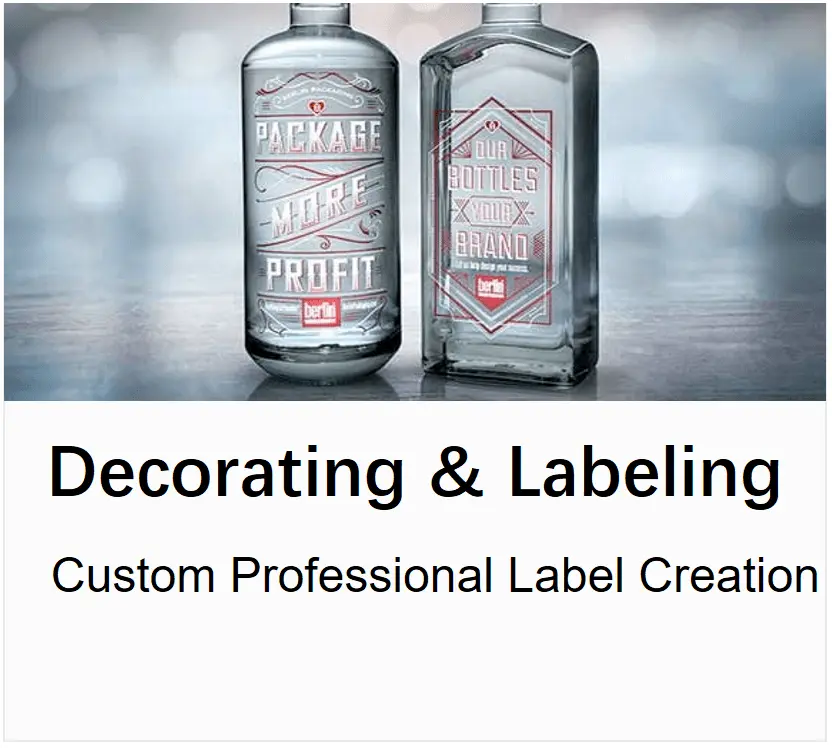
Our premier custom bottle manufacturing service, supported by an optimized supply chain, seamlessly transforms your branding concepts into stunning glass packaging solutions.
Explore Design Options →
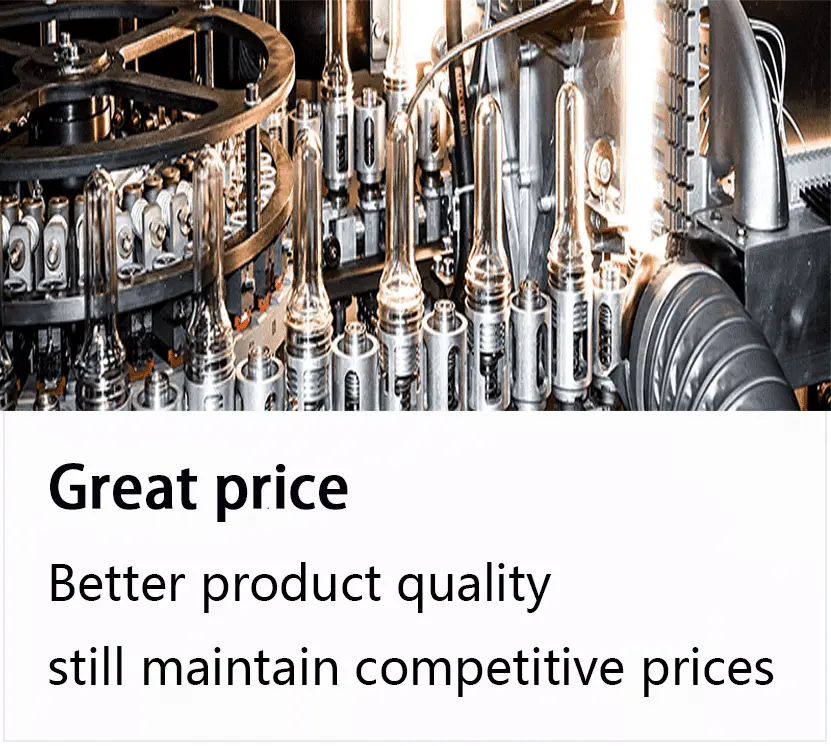
Crafting our custom glass packaging solutions within our state-of-the-art bottling facility enables us to drive down costs while ensuring swift delivery of top-notch finished goods.
Factory Tour Video →
Avail yourself of our complimentary glass bottle samples, aiding you in solidifying your decision to invest in our premium glass bottle selections, facilitating bulk purchases with confidence.
Request Free Sample →Global supply chains face major challenges when sourcing wholesale glass containers. In regions like North America and the European Union, strict carbon-reduction policies (such as the Carbon Border Adjustment Mechanism, or CBAM) demand that packaging manufacturers minimize their scope 1, 2, and 3 emissions. Additionally, modern commercial bottling plants run at high speeds—often handling upwards of 60,000 bottles per hour. At these speeds, any variance in the outer diameter, height, or base alignment of the bottle can lead to line blockages, broken glass, and costly downtime.
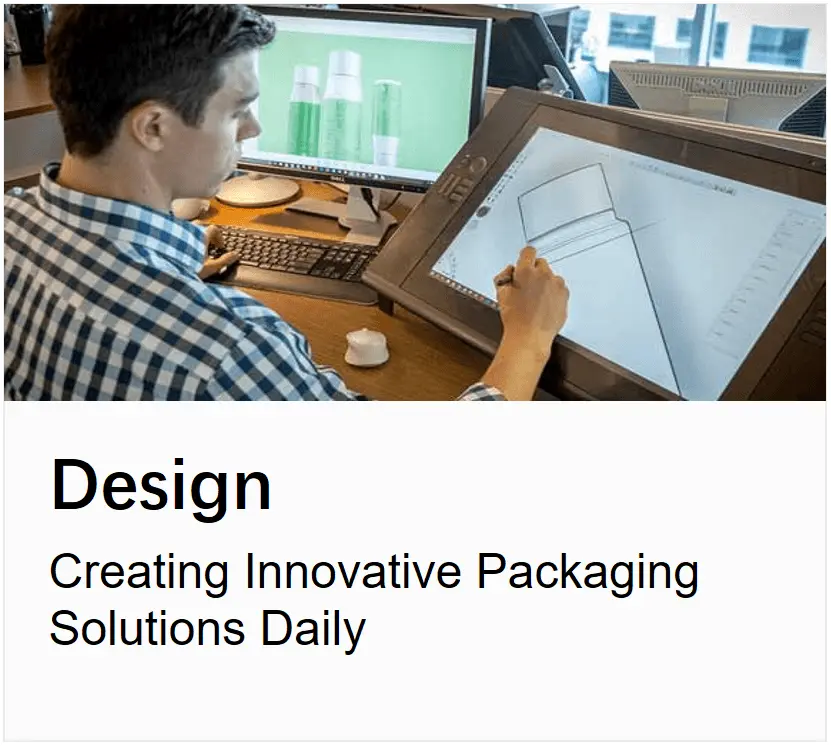
Our engineering approach solves these issues by focusing on Glass Lightweighting (NNPB - Narrow Neck Press and Blow) technology. Traditionally, a heavy base suggested premium quality. Today, our engineering team uses structural analysis software to optimize wall thickness while keeping a stable, aesthetically pleasing heavy-bottom look. This process allows us to reduce bottle weight by 15% to 25% without sacrificing mechanical strength, helping global brands lower their shipping costs and carbon footprint.
To maintain aesthetic clarity and scratch resistance, our production lines apply dual surface treatments:
As a leading Chinese glass bottle manufacturer, we take pride in our ability to produce glass bottles from start to finish. Our integrated processes encompass raw material crushing and mixing, precise batching, melting, shaping, and meticulous annealing, ensuring top-notch quality at every step of production.
By keeping design, engineering, melting furnaces, and finishing lines in-house, we eliminate the markups of trading middle-men. Our customers receive high-clarity extra-flint glass bottles, consistent antique-green glass formulations, and reliable custom packaging solutions delivered directly to their bottling facilities worldwide.
Read More About Our Process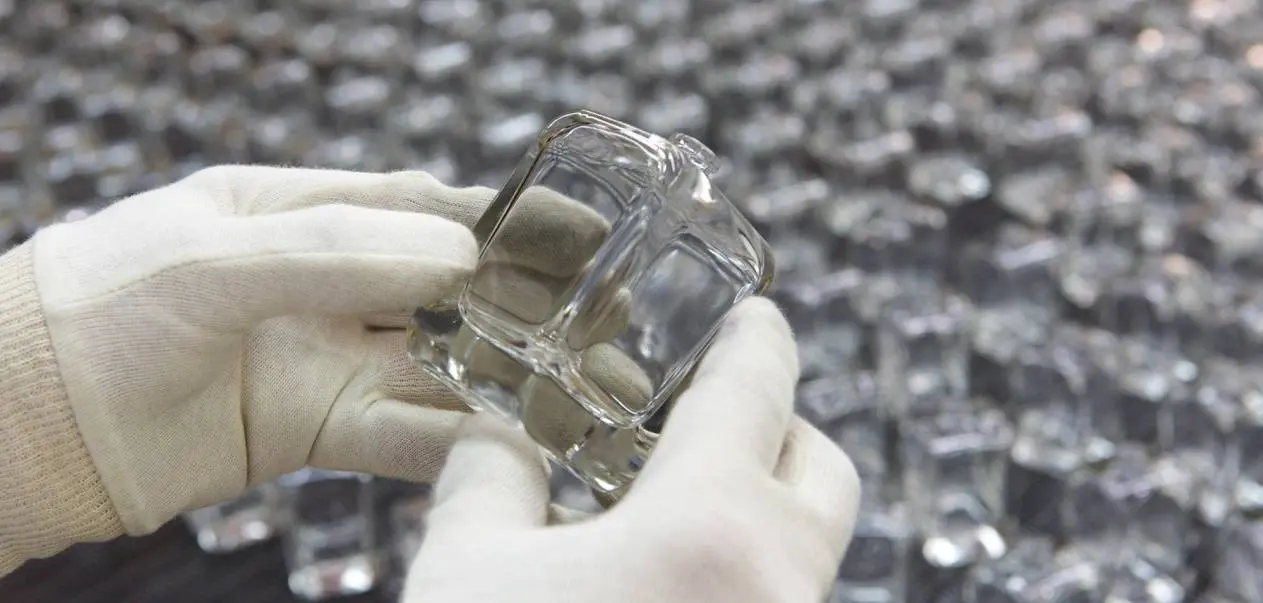
To remain a trusted supplier of premium glass packaging, we continually modernize our manufacturing technology. Our roadmap focuses on digital automation, ecological sustainability, and strict physical testing protocols.
Automated optical inspection systems scan every bottle base. Using multi-angle cameras, the system instantly flags wall-thickness variations, micro-bubbles, and structural defects, automatically rejecting non-compliant bottles.
We integrate clean electric boosting systems with our gas melting furnaces. This hybrid system reduces emissions, stabilizes melting temperatures, and produces clearer, high-clarity flint glass.
We actively increase the ratio of post-consumer recycled glass (cullet) in our batch formulations, cutting energy use by up to 30% and reducing carbon emissions per melt.
Our high-clarity flint and antique-green glass formulations are developed to ensure maximum strength and food safety. By optimizing the ratio of sand, soda ash, limestone, and clarifying agents, we produce packaging that protects the sensory qualities of wines and spirits over long storage periods.
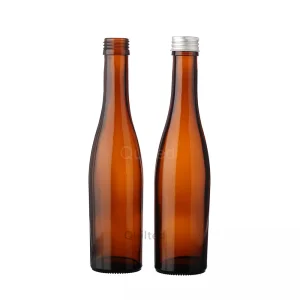
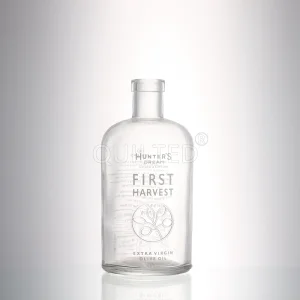
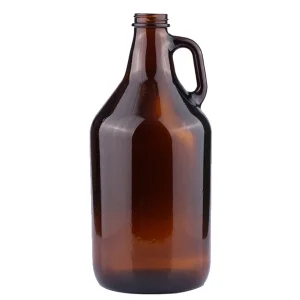
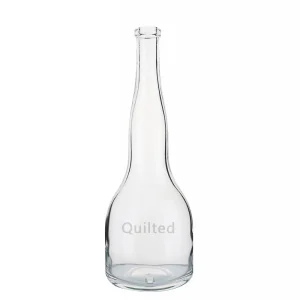
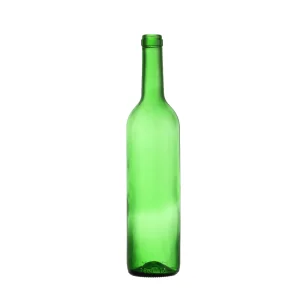
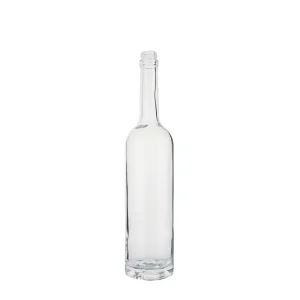
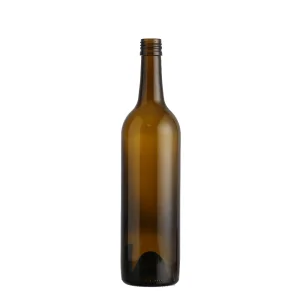
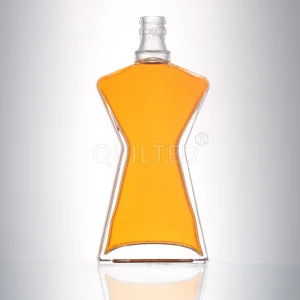
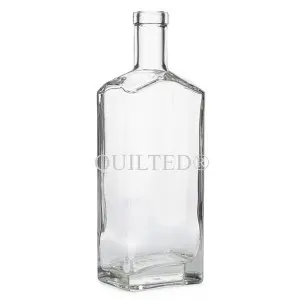
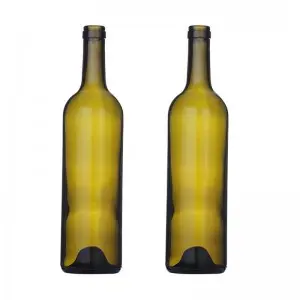
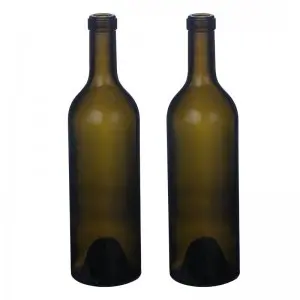
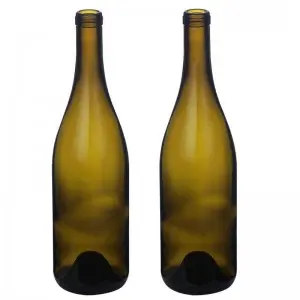
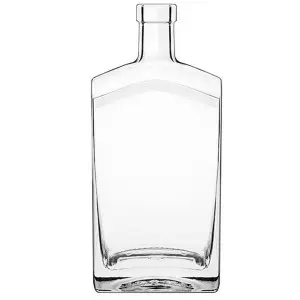
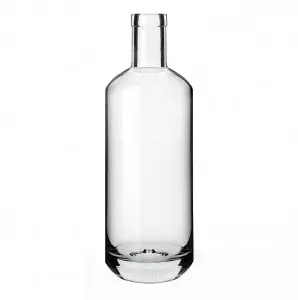
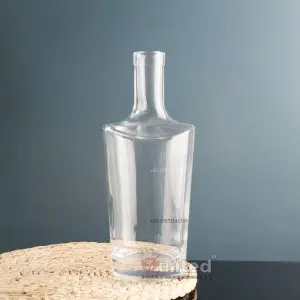
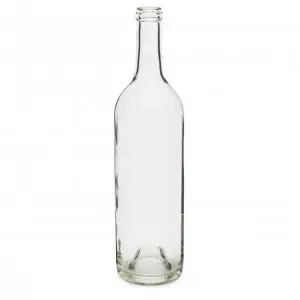
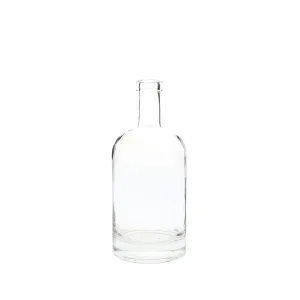
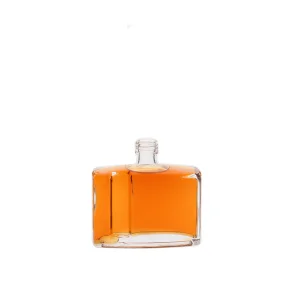
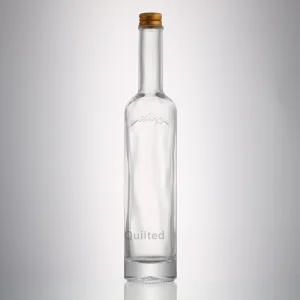
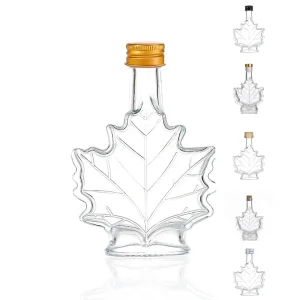
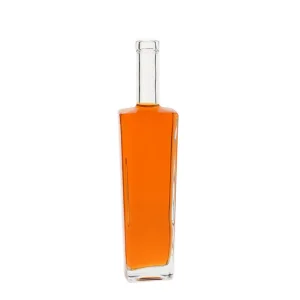
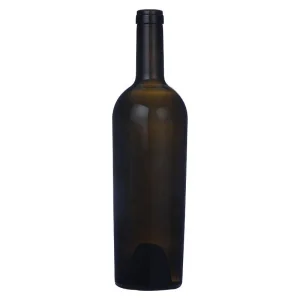
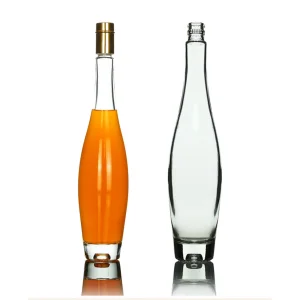
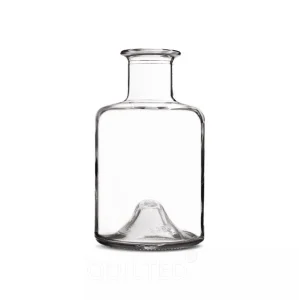
Explore our diverse range of designs, from classic Bordeaux and Burgundy wine shapes to specialty heavy-base spirit bottles and custom decanters.
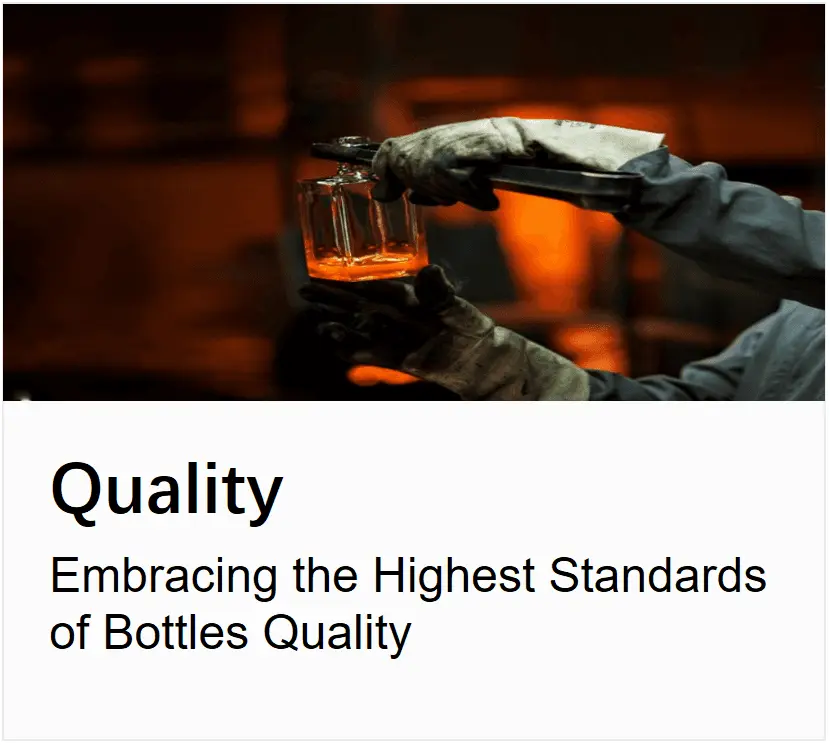
Industrial packaging must meet local safety standards to protect product quality and consumer trust. Our manufacturing processes comply with FDA regulations for food contact safety, and we hold ISO 9001 quality management, ISO 14001 environmental, and SGS testing certifications.
Every batch of our glass bottles undergoes rigorous quality checks:
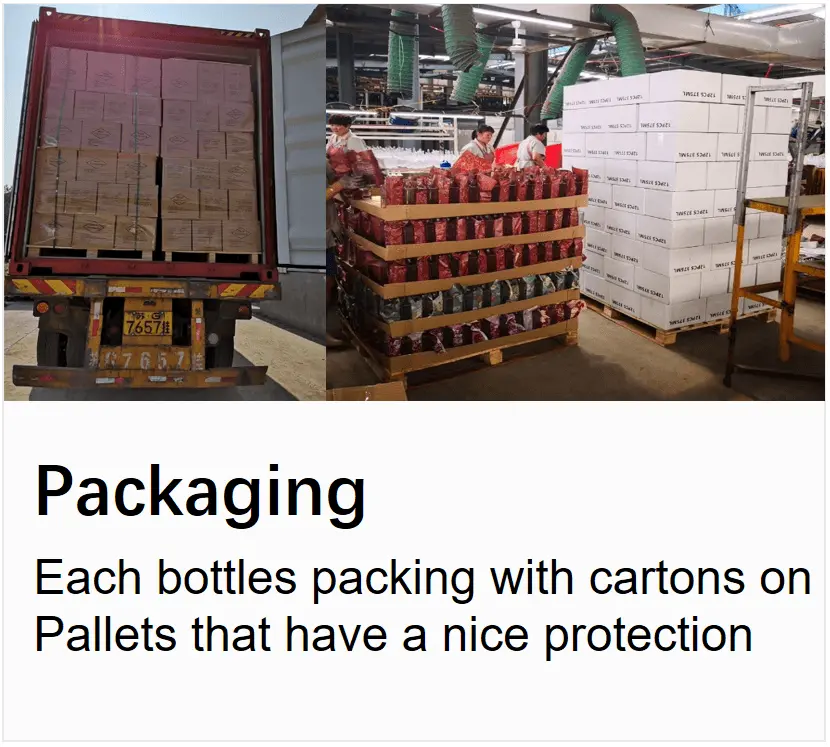
We use custom packaging configurations to prevent scuffing and breakage during global transit. Options include heavy-duty corrugated cartons with dividers, structural pallet packs with protective plastic shrink wraps, or custom wood crates designed to fit standard cargo containers.
Browse our specialized shapes and sizes, manufactured to premium packaging standards.
Trusted by Leading Distilleries and Wineries Internationally
 QLT Glass