In the global packaging ecosystem, the bottle closure serves as the primary barrier preventing oxidation, spoilage, and product degradation. Selecting the correct cork stopper manufacturer requires evaluating multi-layered technical dimensions. This document analyzes natural cork cellular behavior, gas transmission rates, quality control for wine/spirit preservation, and the commercial realities of integrating Chinese glass packaging manufacturing with premium closures.
Historically, the cork harvest was centralized in the Mediterranean, while secondary processing and bottle assembly remained fragmented. Today, top Chinese manufacturers offer integrated designs. By aligning the mechanical bore profile of the glass bottle with the micro-elasticity of custom-engineered cork stoppers, brand owners reduce bottling line failures, minimize the "Angel's Share" evaporation, and ensure consistent shelf-life.
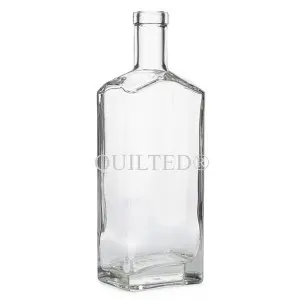
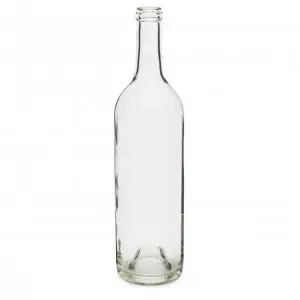
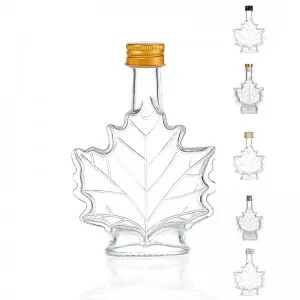
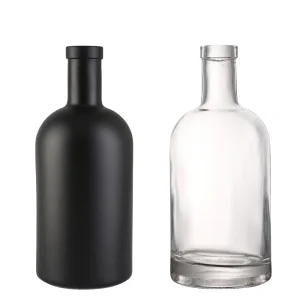
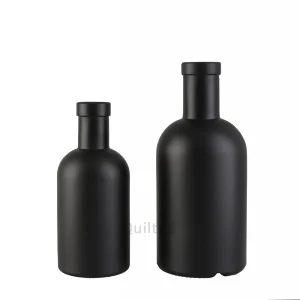
Explore our primary range of custom glass bottles engineered specifically for high-performance cork and stopper applications. Click on any specification below to review manufacturing profiles, neck dimensions, and sealing tolerances.
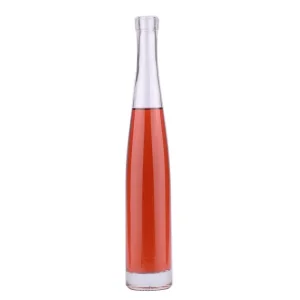
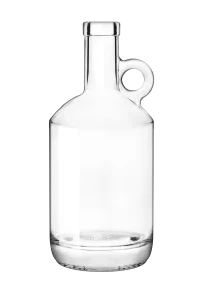
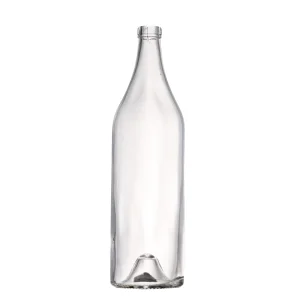
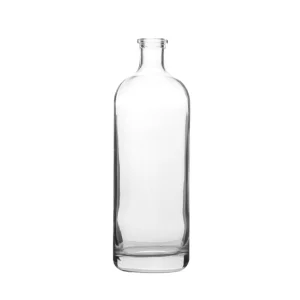
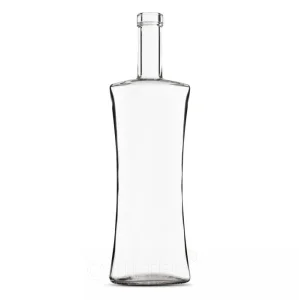
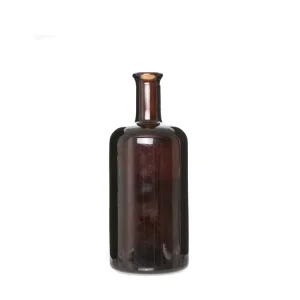
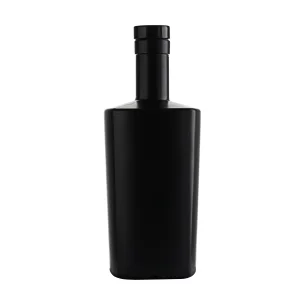
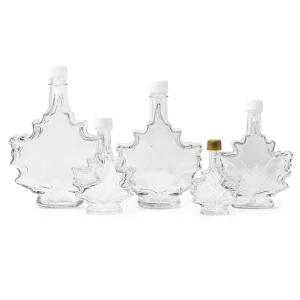
Through an optimized global supply chain model, we bridge the gap between heavy industrial glass blowing and fine closure engineering. Our three-tier service blueprint provides end-to-end reliability for commercial partners.

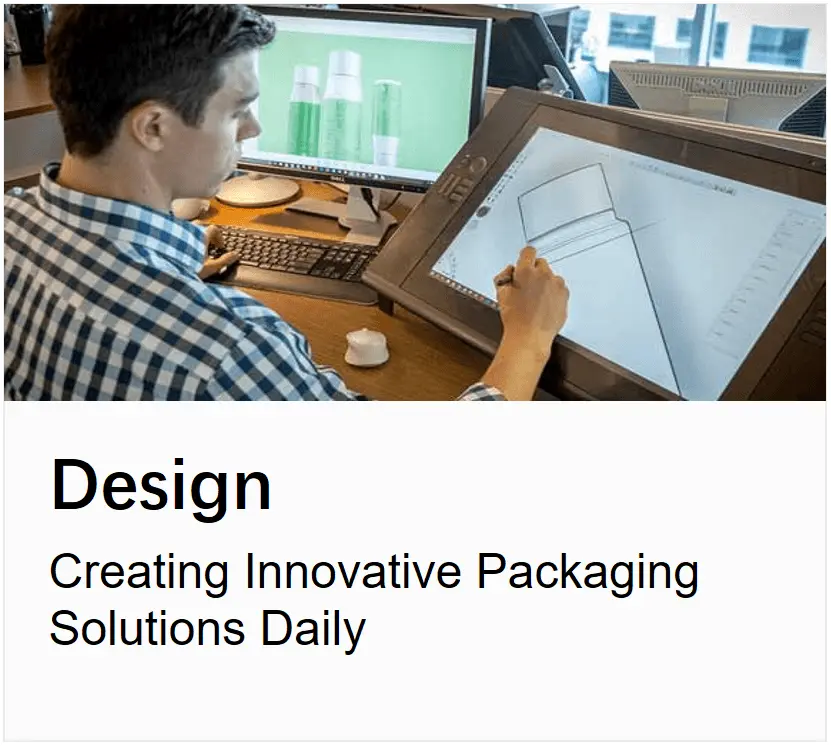
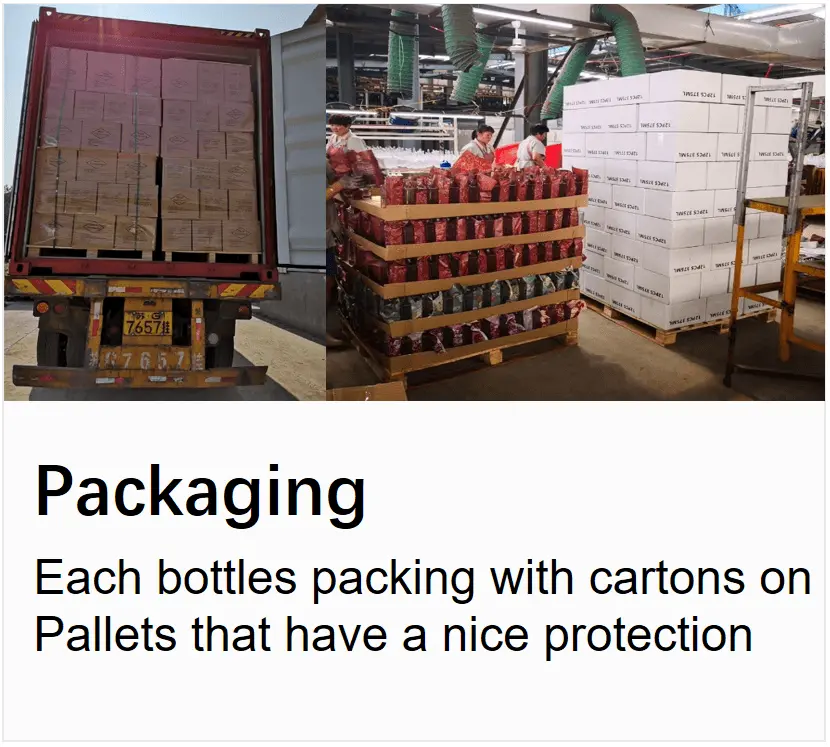
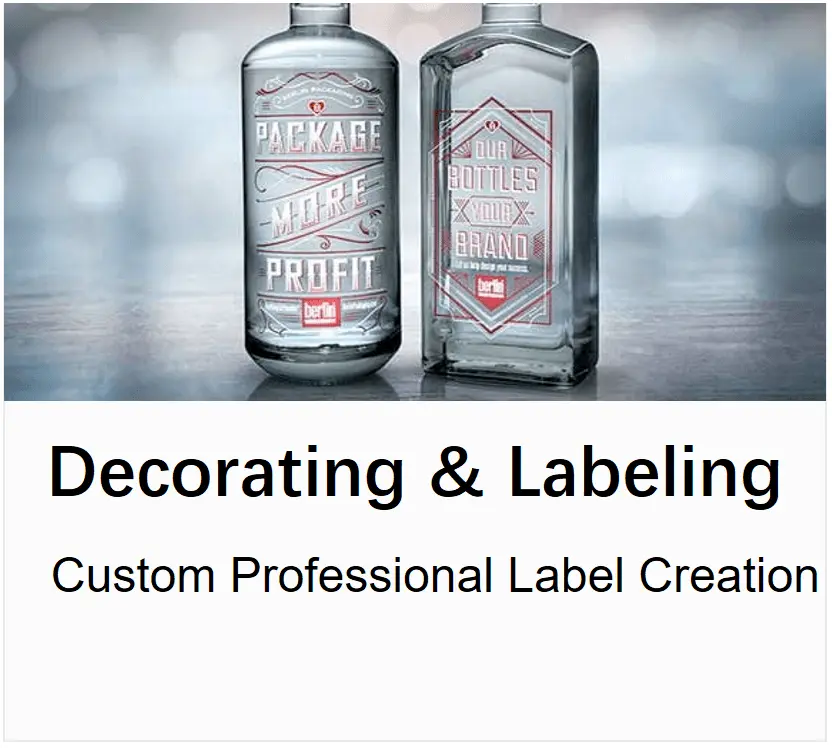
Our premier custom bottle manufacturing service, with an optimized supply chain, seamlessly transforms your concepts into stunning packaging solutions.

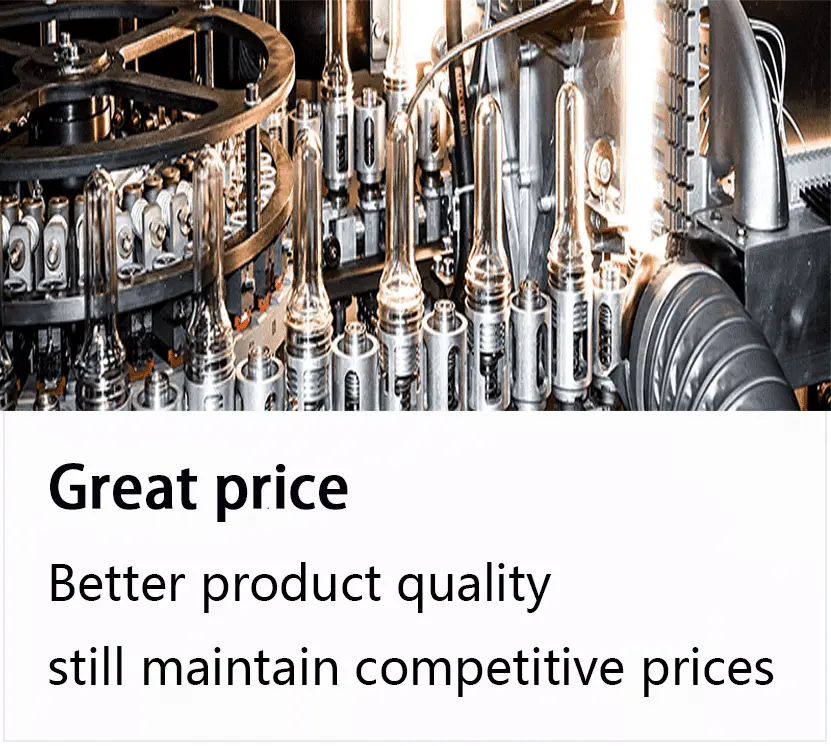
Crafting our custom glass packaging solutions within our state-of-the-art bottling facility enables us to drive down costs while ensuring swift delivery of top-notch finished goods.

Avail yourself of our complimentary glass bottle samples, aiding you in solidifying your decision to invest in our premium glass bottle selections, facilitating bulk purchases with confidence.
To evaluate a cork stopper, one must look at the cellular scale. Natural cork is harvested from the bark of the Cork Oak (Quercus suber). It consists of a honeycomb structure of suberose cells filled with an air-like gas mixture. This gives the material its primary industrial benefits: compressibility, resilience, and impermeability to water and alcohol.
In modern spirits and wine packaging, manufacturers classify cork into distinct performance tiers:
Cut directly from premium bark slabs, natural corks provide the optimal rate of micro-oxygenation required for fine wine aging. They maintain their elastic seal for decades, compensating for thermal expansion and contraction of the glass bottle neck.
Engineered by bonding high-density food-grade cork granules, micro-agglomerated closures guarantee mechanical consistency. By eliminating potential sensory faults (such as TCA/cork taint), they represent the standard for volume spirits, RTDs, and craft liquors.
A common issue in automated bottling lines is the mismatch between the bottle's internal mouth diameter (bore profile) and the stopper diameter. If the stopper's radial compression is too low, the product will leak. If it is too high, it may shear or fail during mechanical extraction.
As an integrated supplier, we coordinate the design of the glass neck finish (e.g., GPI, Roetell, or DIN standards) with the design of the cork. Our manufacturing lines use high-resolution optical sorters to measure cork profiles down to ±0.2mm accuracy. We pre-treat our closures with high-viscosity food-grade silicone or paraffin coatings to lower insertion friction and optimize seal integrity.
Maintaining a deep stock inventory is key to protecting our clients from supply chain disruptions. Through our integrated production facility, we maintain continuous runs of classic Spirit shapes, ensuring that custom-ordered corks and glass bodies match perfectly upon arrival.
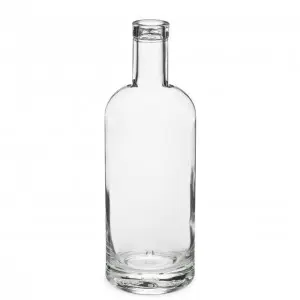
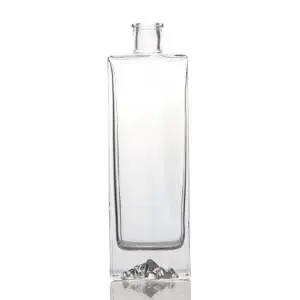
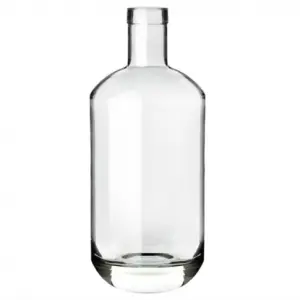
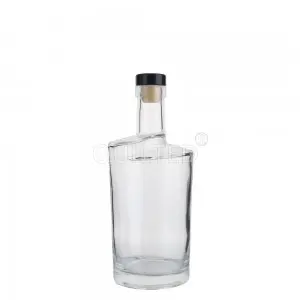
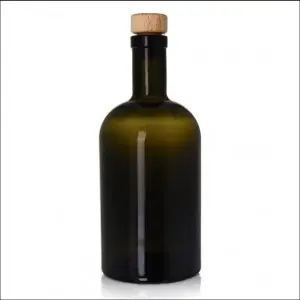
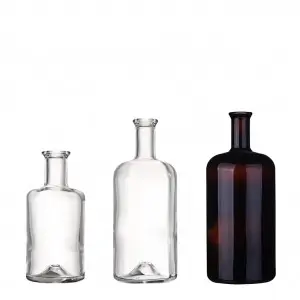
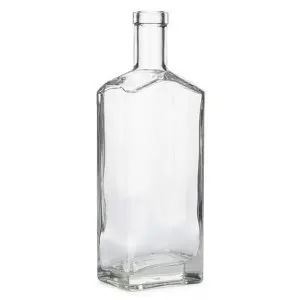
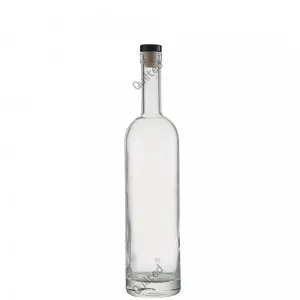
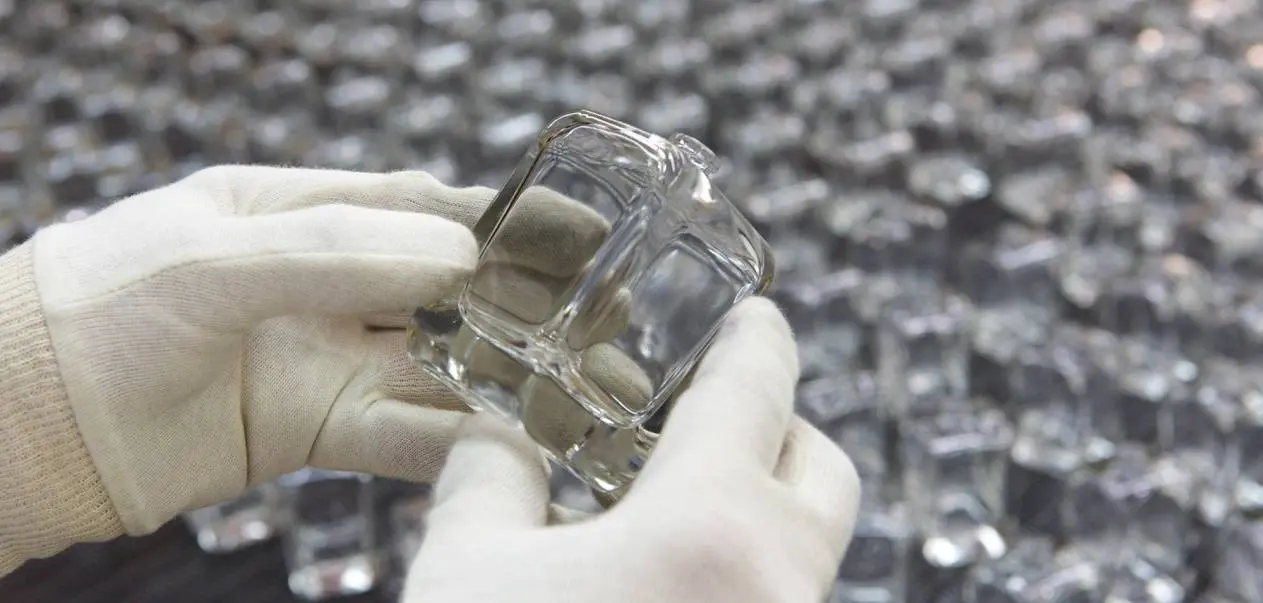
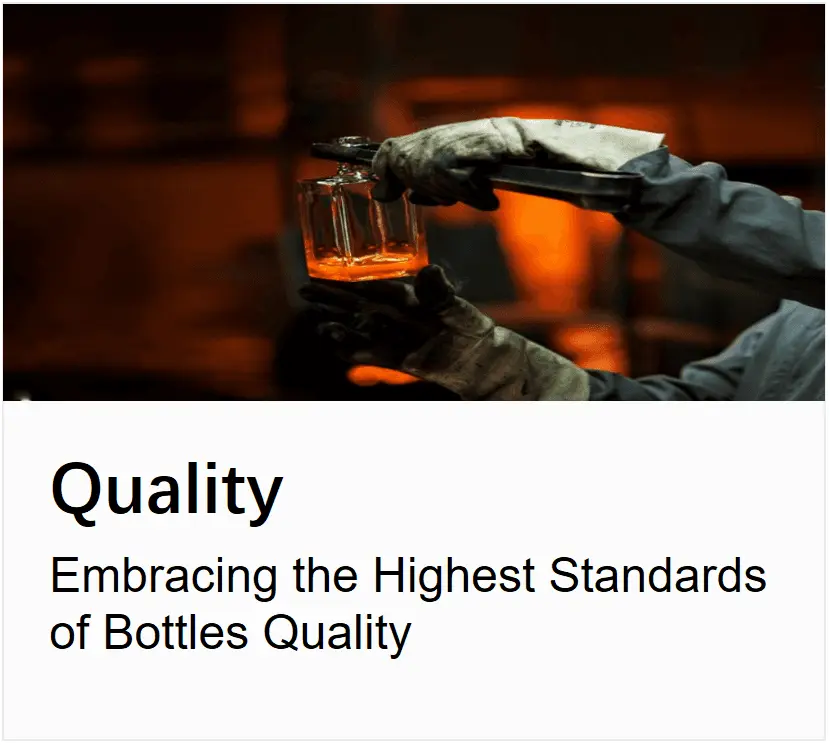
As a leading Chinese glass bottle manufacturer, we take pride in our ability to produce glass bottles from start to finish. Our integrated processes encompass raw material crushing and mixing, precise batching, melting, shaping, and meticulous annealing, ensuring top-notch quality at every step.
By integrating closure technologies directly into the engineering loop, we guarantee that every cork stopper works seamlessly with the corresponding bottle throat. We eliminate the multi-vendor blame game when leakage occurs, delivering unified packaging solutions to brand owners globally.
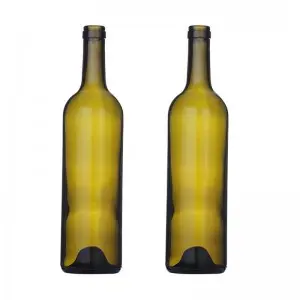
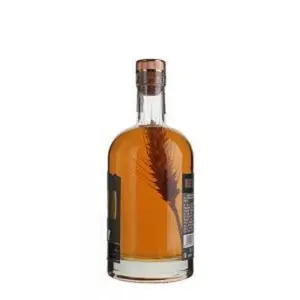
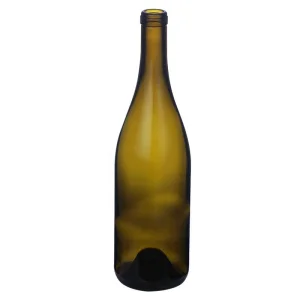
Read Our Factory Tour →We provide a comprehensive range of packaging options designed to meet the demands of global beverage brands. From traditional antique green wine finishes to custom-printed, high-clarity spirits vessels, our glass and cork configurations are built to perform.
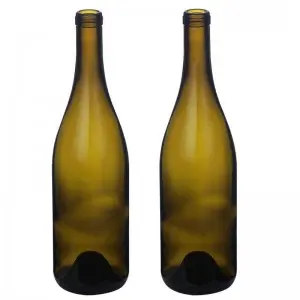
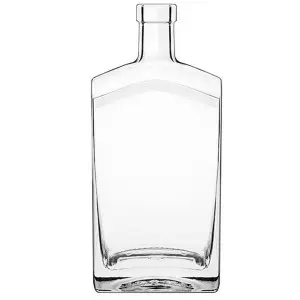
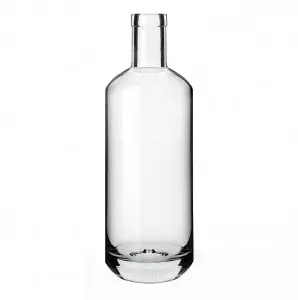
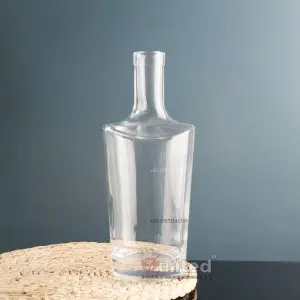
Exporting beverages to global markets like the European Union or North America requires strict compliance with food contact materials standards. Synthetic adhesives, natural cork treatments, and print pigments must not migrate into the liquid phase.
Our cork manufacturing operations adhere to major international compliance codes:
The cork industry is moving beyond passive sealing toward active quality verification. At our production centers, we are currently integrating two key technologies:
We inspect natural cork slabs using automated spectroscopic gas-phase analysis. This non-destructive process detects and removes organic compounds like 2,4,6-trichloroanisole (TCA) down to levels below 0.5 nanograms per liter, well below human sensory detection thresholds.
For ultra-premium spirits, our engineering team embeds miniature Near Field Communication (NFC) chips inside custom wood and resin T-Tops. This provides consumers with secure anti-counterfeiting verification and allows brands to deliver interactive, digital content upon bottle opening.
We are developing bio-based synthetic polymers derived from sugarcane. These materials provide a neutral carbon footprint and consistent mechanical extraction forces, offering a sustainable alternative for mass-market distillers.
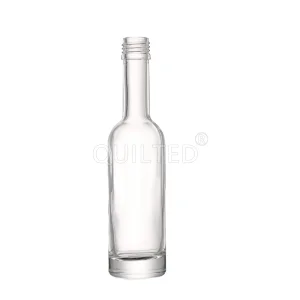
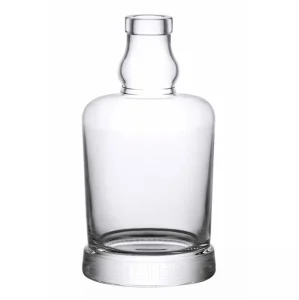
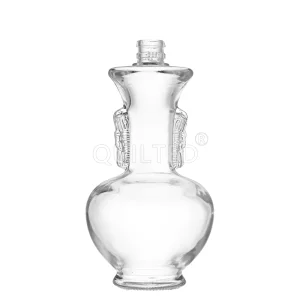
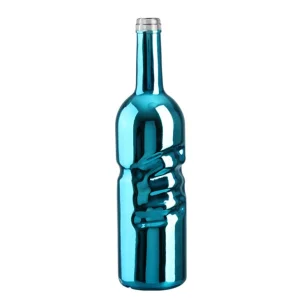
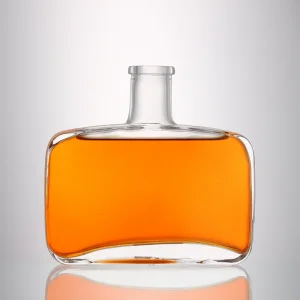
Review our secondary product selection, featuring specialized designs for spirits, decanters, and custom color-plated glass finishes.
Find quick, data-backed answers to technical questions about cork stoppers, storage specifications, and sourcing.
 QLT Glass