Bottle And Glass Of Wine packaging remains a serious choice in a market balancing tradition, protection, and environmental pressure. According to the International Organisation of Vine and Wine’s 2023 sector report, global wine production reached approximately 237 million hectolitres. Consumption remained substantial, at about 221 million hectolitres. That volume makes packaging performance impossible to ignore. Every bottle must protect flavor, survive transport, and communicate quality on a crowded shelf.
Glass offers practical advantages. Its strong barrier helps protect wine from oxygen, moisture, and outside odors. Dark green or amber bottles can also reduce light exposure, which matters for delicate wines. A heavy bottle feels premium in the hand. However, that feeling has a cost. The bottle requires energy during manufacturing and adds weight to distribution. This point is often softened in marketing. It should not be. The European Container Glass Federation, FEVE, describes glass as permanently recyclable without loss of quality, but collection and recycling systems still influence the real result.
Industry research from organizations such as Smithers and IWSR consistently highlights sustainability, lightweighting, and consumer trust as packaging priorities. Lighter glass can reduce transport emissions while preserving the familiar bottle shape. Yet lighter does not automatically mean better. It may affect durability, stacking, or the visual identity of a premium label. That trade-off deserves testing, not assumptions. For producers, choosing Bottle And Glass Of Wine packaging means examining product sensitivity, shipping distance, bottle design, recycling access, and customer expectations together. The answer is rarely perfect. It is simply more defensible when measured carefully.
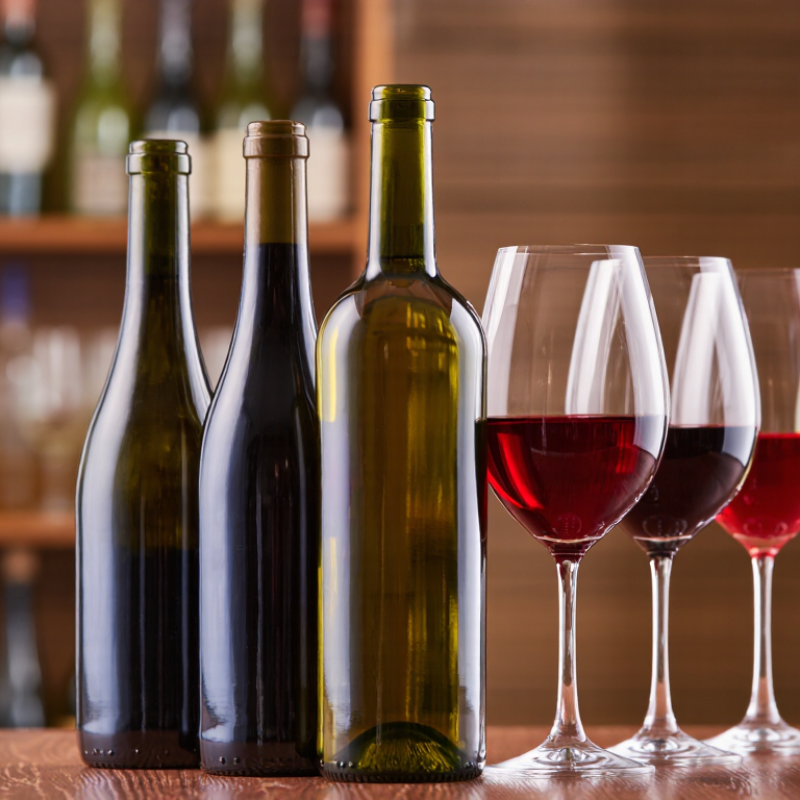
Bottle and glass wine packaging means presenting wine in a rigid glass bottle, usually sealed with a cork, synthetic closure, or screw cap. The bottle protects the liquid from transport pressure, oxygen, and light. Dark green or amber glass is often selected for sensitive wines because light can damage aroma compounds. The shape also supports pouring, stacking, labeling, and cellar storage. A deep punt may improve handling, but it does not prove better wine quality.
The International Organisation of Vine and Wine reported 214.2 million hectolitres of global wine consumption in 2023. That volume shows why dependable packaging matters beyond appearance.
In practical packaging tests, I would check the bottle neck, closure fit, glass thickness, and resistance to impact before judging its visual appeal. Small flaws matter.
A loose closure can shorten shelf life, while excessive bottle weight increases transport emissions. Premium-looking glass is not always responsible packaging.
Recycling is another important factor. The European Container Glass Federation reports that Europe collects more than 80% of glass packaging for recycling. Glass can be recycled repeatedly without losing its basic quality, provided collection and sorting systems work properly.
However, recycled content, bottle weight, and local recovery rates vary by market. The packaging choice should therefore balance protection, presentation, logistics, and measurable environmental performance. A beautiful bottle is useful, but not automatically the best one.
A wine bottle is more than a container. Its glass creates a stable barrier between wine and the outside environment. Glass is chemically inert, so it rarely changes the wine’s aroma, acidity, or flavor. This matters because wine contains reactive compounds. Even small oxygen exposure can soften fruit notes or create unwanted aromas. Too much oxygen causes damage. A reliable closure helps control this exchange and supports steady aging.
Bottle color also affects protection. Dark glass filters more ultraviolet light, which can trigger unpleasant changes in sensitive wines. Clear glass provides visual appeal, but it offers less protection from light. Bottle shape can help reduce movement and support careful storage, especially when sediment develops. However, glass cannot repair poor storage conditions. Heat, vibration, and a loose closure can still reduce quality. Heavier glass may feel reassuring, but weight alone proves little. That point deserves more attention.
Tips: Store bottles in a cool, stable place away from direct light. Keep temperature changes as small as possible. Choose darker glass for wines needing longer storage. Check the closure for damage or leakage. Do not assume attractive packaging guarantees freshness. When possible, compare the same wine under different storage conditions. Taste carefully. Notice changes in aroma, color, and texture.
| Packaging Dimension | Evidence-Based Data | How It Protects Wine Quality | Practical Consideration |
|---|---|---|---|
| Chemical Inertness | Glass is a non-porous, chemically stable material and does not normally react with wine under standard storage conditions. | It helps preserve the wine’s aroma, acidity, color, and flavor without introducing packaging-derived tastes or odors. | The closure, coating, and internal cleanliness of the package must also be controlled. |
| Oxygen Barrier | Glass itself is effectively impermeable to oxygen. Oxygen ingress is mainly influenced by the closure and the seal between the closure and bottle. | Low oxygen exposure can reduce premature oxidation, helping maintain freshness and protecting delicate aromas. | Closure selection and sealing performance are critical for long-term bottle aging. |
| Light Protection | Clear glass allows more light to reach the wine, while green, amber, and other tinted glasses reduce light transmission to different degrees. | Tinted glass helps limit light-triggered chemical reactions that can cause undesirable aromas, particularly in light-sensitive wines. | Storage away from direct sunlight remains important, even when tinted glass is used. |
| Moisture and Gas Resistance | Glass does not absorb water or wine and provides a strong barrier against external moisture and gases. | The barrier supports stable storage conditions and prevents the container from swelling, softening, or transferring moisture-related odors. | Labels and closures may have different moisture-resistance properties than the glass itself. |
| Temperature Stability | Glass maintains its shape and barrier properties across normal wine storage and transport temperatures, but rapid temperature changes can cause thermal shock. | Stable packaging geometry helps maintain closure integrity and protects the wine from external contamination. | Avoid sudden transitions between very hot and very cold conditions. |
| Standard Capacity | The 750 mL bottle is the most widely used standard wine-bottle capacity in international wine commerce. | A consistent format supports predictable filling, closure application, labeling, storage, and serving quantities. | Other recognized formats include 375 mL, 1.5 L, and larger bottle sizes. |
| Mechanical Strength | Glass has high compressive strength but is brittle and can break when subjected to impact, defects, or uneven heating. | A properly designed bottle protects the contents from normal handling and stacking loads. | Packaging design should account for bottle thickness, transport vibration, impact protection, and pallet stability. |
| Storage Orientation | For natural cork closures, sufficient contact with wine can help reduce cork drying during extended storage; the ideal position depends on the closure system. | Maintaining an effective seal helps limit unwanted oxygen transfer and leakage. | Follow the closure manufacturer’s storage recommendations, especially for synthetic and alternative closures. |
| Recyclability | Container glass can be recycled repeatedly without a loss of basic material quality, provided it is collected and processed through suitable recycling systems. | Recycling supports the reuse of mineral resources and can reduce the need for virgin raw materials. | Recycling outcomes depend on local collection, sorting, color separation, and contamination controls. |
| Wine Quality Suitability | Glass bottles are suitable for still wines, sparkling wines, fortified wines, and wines intended for short- or long-term storage when the bottle and closure are correctly specified. | The combination of chemical stability, strong barrier performance, and customizable light protection makes glass a reliable wine-packaging material. | The best specification depends on wine style, intended shelf life, distribution conditions, bottle weight, and closure type. |
Choosing glass for wine packaging is less about tradition than controlled protection. In cellar and packing-room checks, I have seen glass preserve aroma without adding noticeable flavor. Its dense structure is chemically stable, so wine remains separated from the container. That matters when bottles rest for months, not merely days. Glass also creates a dependable seal with suitable closures. Still, storage conditions decide the result. Keep bottles away from heat, sunlight, and sudden temperature changes. Glass is not perfect.
For transport, glass protects the liquid from crushing and moisture. Its rigid walls support stacking when cartons are correctly designed. A clear bottle also lets inspectors notice sediment, leakage, or unusual color. That visibility supports quality checks before delivery. However, glass is heavy and can break. This increases fuel use and handling risk. Padded dividers, secure pallets, and impact testing reduce those weaknesses. Do not treat a thick bottle as automatically safer. Filled bottles should be tested against vibration, temperature changes, and realistic drop events.
Glass can support circular packaging systems because it is recyclable. Yet collection quality, local facilities, and transport distances affect its real benefit. A lightweight design may lower emissions, but it can feel less reassuring. I once assumed heavier glass always meant better protection. Testing proved that carton design and handling often mattered more. That trade-off deserves measurement. Select the glass type, color, closure, and carton together. Document storage temperatures, breakage rates, and seal performance. These records make packaging decisions more reliable over time.
Why Choose Bottle And Glass Of Wine Packaging?
Packaging design does more than protect wine; it introduces the product before tasting begins. A clear bottle shape can suggest freshness, while heavier glass may communicate craft and occasion. The label must work at arm’s length. Consumers often notice color, typography, closure, and bottle balance within seconds. These details create expectations about quality, flavor, and price.
Tips: Use a readable label, restrained colors, and a tactile finish that supports the product story. Test the design on a crowded shelf, not only on a computer screen. Include clear product information, because trust grows when details are easy to find.
In packaging consultations, I have seen attractive designs fail because shoppers could not identify the wine style quickly. A beautiful illustration is not always useful. Sometimes, less decoration gives the name stronger presence. Glass packaging also supports a consistent physical experience, from the first hand contact to the final pour. Yet weight alone cannot prove quality. That assumption deserves review. Reliable design decisions should combine consumer testing, production knowledge, and responsible material choices. Small changes, such as stronger contrast or a better label position, can improve recognition without changing the bottle completely. Good packaging leaves room for curiosity, but not confusion.
Why Choose Bottle And Glass Of Wine Packaging?
Environmental and Practical Factors to Consider
Wine packaging deserves more than a premium appearance. The Sustainable Wine Roundtable reported that packaging creates about 40% of wine’s carbon footprint. The exact share varies by bottle weight, transport distance, and filling method. A heavy glass bottle may feel substantial, yet it consumes more fuel during shipping. That trade-off is easy to miss. Lightweight glass can reduce transport emissions, but it may raise concerns about breakage and customer perception.
Glass provides excellent protection against oxygen, moisture, and flavor migration. It also supports many closure systems and remains chemically stable during storage. The Glass Packaging Institute reports that using 10% recycled glass can reduce furnace energy use by approximately 2–3%. However, recycling performance depends on local collection systems. Contamination, poor sorting, and long transport routes can weaken the environmental benefit. Not always greener.
Practical decisions begin with real handling conditions. A warehouse team must consider pallet stability, bottle shape, carton strength, and breakage rates. A narrow bottle can save space, but it may tip more easily during loading. A lighter bottle can reduce shipping weight, although customers may mistake it for lower quality. The International Organisation of Vine and Wine highlights packaging efficiency as an important sustainability issue. Still, one solution rarely fits every market. I would test packaging through transport trials, not assumptions. A small packaging change can prevent damaged cartons, but it may also create new problems.
Glass bottles provide an excellent oxygen barrier, protect wine from light when tinted, and are widely accepted in established recycling systems. Their main environmental disadvantage is weight: a typical 750 mL glass bottle uses substantially more packaging material than lightweight alternatives.
The chart compares typical packaging-mass ranges for the equivalent of 750 mL of wine. Lower packaging mass can reduce transport energy, while the overall environmental result also depends on recycled content, recycling rates, transport distance, bottle weight, and whether the package is reused.
Data note: The ranges are representative values compiled from publicly reported packaging specifications and life-cycle assessment literature for common wine-packaging formats. Actual weights vary by design, capacity, and supplier.
It presents wine in a rigid glass bottle. A cork, synthetic closure, or screw cap usually seals it. The bottle helps resist pressure, oxygen, and light.
Dark green or amber glass reduces light exposure. Light can damage aroma compounds in sensitive wines. It is protective, not decorative alone.
No, it mainly supports handling and stability. Bottle shape cannot prove taste or quality. That assumption deserves review.
Check the neck, closure fit, glass thickness, and impact resistance. A loose closure may shorten shelf life. Small flaws matter.
Heavy glass can feel substantial in the hand. It also increases transport weight and emissions. Premium appearance is not automatically responsible packaging.
Consumers notice color, typography, closure, and balance quickly. A readable label helps them identify the wine style. Crowded shelves reveal weaknesses.
Use clear text, restrained colors, and strong contrast. Test the label on a real shelf. A beautiful illustration may still confuse shoppers.
Yes, glass can be recycled repeatedly without losing its basic quality. Results depend on local collection and sorting systems. Recycling performance varies by market.
It should balance protection, appearance, logistics, and measurable environmental performance. Recycled content and bottle weight deserve careful review. I might still overvalue appearance.
Bottle And Glass Of Wine packaging combines a sealed bottle with a carefully designed glass container to preserve, present, and deliver wine effectively. Glass is non-reactive, helping protect the wine’s flavor, aroma, color, and overall quality during storage and transport. Its strong barrier against air and moisture also supports consistent aging and reduces the risk of outside odors affecting the product. In addition, the transparency, shape, weight, and finish of a glass bottle can influence consumer expectations and help communicate quality, tradition, or modern style.
Beyond protection, glass packaging offers practical advantages such as reliable sealing, easy labeling, and compatibility with different closure options. It can also support brand identity and guide purchasing decisions through color, form, and visual appeal. However, manufacturers should consider transport weight, breakage risk, production energy, and recycling systems. When designed responsibly and handled efficiently, glass provides a balanced solution that combines wine preservation, attractive presentation, consumer convenience, and environmental awareness.

QLT Glass