In the competitive world of wine retail, the choice of a wine bottle and cork can significantly impact your sales. Selecting the right materials reflects your brand's quality and enhances customer experience. A well-designed bottle and a secure cork not only protect the wine but also convey sophistication.
The wine bottle and cork serve as ambassadors of your brand. They are often the first interaction a customer has with your product. An attractive bottle can grab attention on store shelves. Meanwhile, a reliable cork ensures freshness and taste, reinforcing customer trust.
Mistakes in selection can lead to lost opportunities. Cheap bottles may break easily, and inferior corks can spoil the wine. It’s important to evaluate options carefully. The right wine bottle and cork can elevate your business, creating a lasting impression. Consider these factors as you strive for excellence in your offerings.
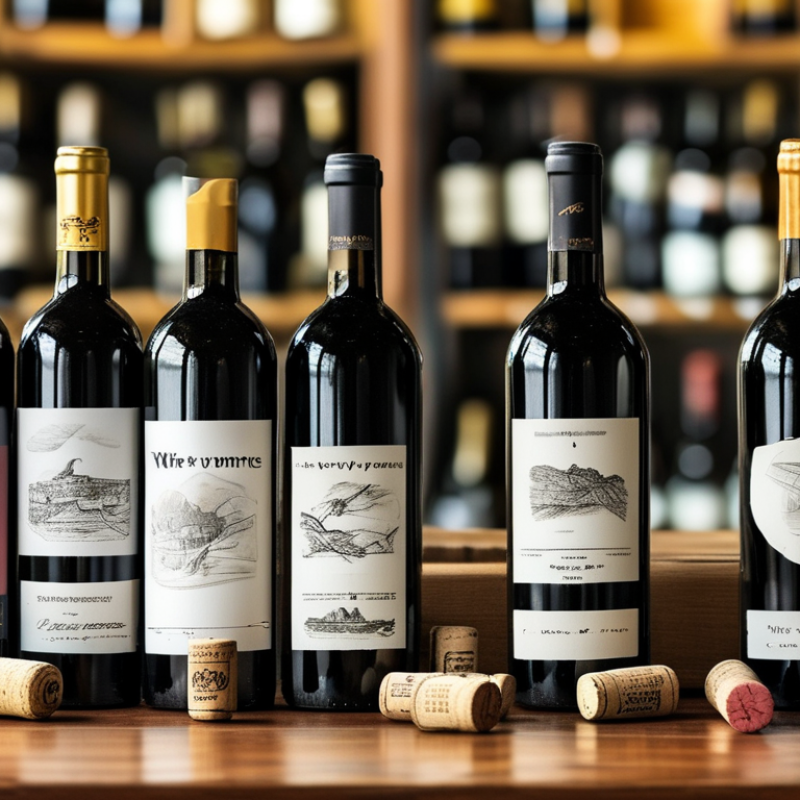
Choosing the right wine bottle and cork is essential for effective branding. The wine bottle is not just a container; it's a representation of your brand's identity. Customers often make snap judgments based on visual cues. Therefore, a well-designed bottle can attract attention but also communicates quality and craftsmanship.
Bottle shape, color, and label design should all align with your brand voice. For instance, sleek bottles might suggest elegance, while vintage shapes can evoke nostalgia. Don't overlook cork selection, as it impacts perceived quality. Natural cork can imply tradition, while synthetic options can signal modernity. Reflect on your target audience. They may prefer a specific aesthetic or type of closure.
Tips for enhancement include testing different designs with focus groups. Gather feedback to see what resonates best. Also, keep an eye on trends within the wine industry. Consumer preferences shift, and staying ahead can give your brand an edge. Remember to evaluate if your choices align with your overall message. Adapt and evolve; it’s crucial for growth.
Choosing the right cork for wine bottles can make a significant difference in quality. Different types of cork can affect the wine's aging process and overall taste. Natural corks allow the wine to breathe, promoting complex flavors over time. However, they also come with risks, such as cork taint, which can spoil otherwise fine wine. The choice of cork isn't just about tradition; it directly impacts customers' experiences.
Synthetic corks and screw caps are gaining popularity as alternatives. They provide a tight seal and reduce the risk of contamination. Yet, they might not allow the wine to develop the same depth as a natural cork. Many winemakers face a dilemma—how to balance quality and reliability. Ensuring wine remains fresh is essential for customer satisfaction, but there is no one-size-fits-all solution. It often requires testing various options to see how they affect specific wines.
Environmental considerations are also a growing concern. Harvesting cork can promote sustainability, benefiting natural habitats. However, synthetic options may seem more convenient. The industry is still grappling with these challenges. Each type of closure has its pros and cons, which require careful thought. Creating the best experience for wine lovers depends on making informed choices about corks and bottles.
When selecting wine bottles and corks, economic factors play a crucial role. The balance between cost and quality can significantly impact a business's bottom line. Quality packaging attracts consumers but often comes at a higher price. Cheaper options might save money initially, yet they could lead to compromised product integrity. This decision requires careful consideration.
For instance, glass quality affects wine preservation. High-quality glass minimizes exposure to light and oxygen, which can spoil the wine. While investing in better glass seems expensive, it could enhance the wine's shelf life and reputation. Brands must weigh this long-term benefit against immediate costs. Similarly, the choice of cork can influence both quality and expense. Synthetic corks may reduce costs, yet they might alter the wine experience.
Sometimes, businesses choose cheaper solutions to cut costs. However, reduced quality can damage customer trust. Returning to the basics might inspire a brand rethink. Reflecting on the choices made can guide toward a more balanced approach. Adjusting the focus on quality could ultimately lead to greater profitability.
The aesthetics of wine bottles significantly impact consumer choices. When a bottle features unique artwork, it captures attention. Bright colors and intricate designs can evoke emotions. This connection often drives customers to pick one product over another on crowded shelves.
However, not all designs are successful. Sometimes, a bottle's art can feel overdone or unoriginal. Consumers might be drawn to simplicity instead. A clean, elegant label often leaves a lasting impression. Factors like typography and color choices matter deeply. Each detail can enhance brand perception and appeal.
Bottle design is an art and a necessity. It must reflect the wine's essence while standing out. A mismatch between the label and the wine inside can lead to disappointment. If the wine doesn't meet expectations set by its packaging, customers may not return.
Brands need to strike a balance and continually reassess their designs. This ongoing evaluation ensures they meet evolving consumer preferences.
The sustainability trend in wine packaging is gaining momentum. Eco-friendly materials are becoming essential for modern businesses. According to a recent report by the Wine Institute, nearly 70% of consumers prefer brands that prioritize sustainability. This shift urges wineries to rethink their packaging choices.
One effective approach is selecting lightweight bottles. They reduce transportation emissions, saving energy during shipping. Reports indicate that using recycled glass can cut carbon emissions by 40% compared to new glass production. Utilizing biodegradable corks over traditional options also supports sustainability. Cork oak is renewable, and harvesting does not harm the tree.
When opting for eco-friendly materials, consider sourcing from certified suppliers. Engage with materials that have proven sustainability credentials. Encouraging feedback from customers about packaging can improve your business’s eco-initiatives. Focus on transparent communication about your choices. Highlight any improvements that need reflection or revision. This creates a deeper connection with your audience.
: The wine bottle represents your brand's identity. It affects customer perceptions and can attract attention.
They communicate different qualities. Sleek shapes suggest elegance, while vintage can evoke nostalgia.
Natural cork implies tradition, while synthetic options can signify a modern approach to wine.
Testing designs with focus groups helps gather feedback on what resonates with consumers.
Consumer preferences change. Staying informed can give your brand a competitive edge in the market.
Disappointment may occur if the wine doesn’t meet expectations set by its packaging.
Not necessarily. Sometimes simplicity and elegance leave a more lasting impression on consumers.
Unique artwork can evoke emotions, leading customers to choose one product over another.
Typography and color choices matter deeply. Each detail impacts brand perception and appeal.
It ensures that brands meet evolving consumer preferences and remain relevant in the market.
Choosing the right wine bottle and cork is crucial for businesses aiming to establish a strong brand identity and market presence. The selection of wine bottles influences consumer perceptions, with unique designs playing a significant role in attracting customers. Additionally, the type of cork used affects wine preservation and overall quality, which can ultimately impact customer satisfaction and repeat purchases.
Economic considerations also play a vital role in wine packaging. Businesses must strike a balance between cost and quality to ensure profitability while maintaining high standards. Furthermore, with the growing emphasis on sustainability, utilizing eco-friendly materials in wine packaging is becoming increasingly important for brands looking to align with consumer values. By focusing on these factors, businesses can enhance their branding efforts and appeal to environmentally-conscious consumers, making informed choices about their wine bottle and cork selections.

QLT Glass