Wine Bottles By Size play a crucial role in the global wine market. Understanding different sizes can enhance the purchasing experience. Each size offers unique advantages, catering to various occasions and preferences.
Smaller bottles are ideal for personal enjoyment. They provide an opportunity to sample new varieties without committing to larger quantities. Meanwhile, larger bottles often stand out at gatherings, making a bold statement. They also tend to age better, contributing to overall quality and taste.
It is essential to consider factors like storage and serving. For instance, some buyers may overlook the importance of bottle size in relation to their space or consumption habits. However, recognizing these subtleties can lead to a more satisfying selection process. Providing an informed approach to Wine Bottles By Size enriches the overall wine experience, ensuring that every buyer finds the perfect match for their needs.
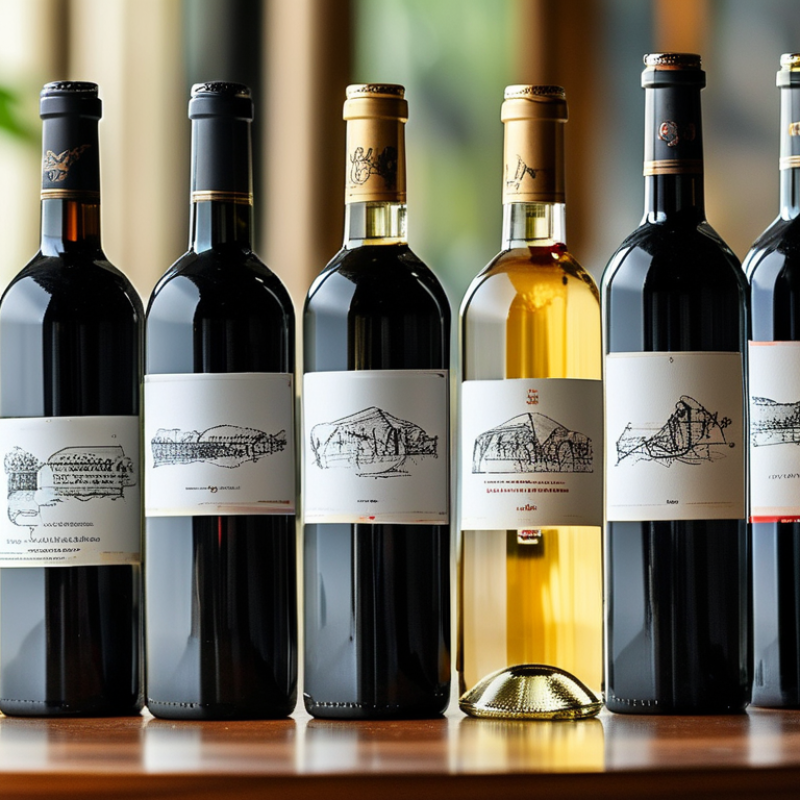
Understanding wine bottle sizes is essential for both casual drinkers and serious connoisseurs. The standard 750ml bottle is most common, holding about five servings. It is convenient for individual consumption and pairing with meals.
Larger bottles, like magnums, can hold 1.5 liters, making them ideal for special occasions. They also allow wine to age more gracefully due to a higher liquid-to-air ratio.
However, there are various sizes beyond the standard. Jeroboam bottles of 3 liters or larger formats can enhance a gathering's atmosphere. Their impressive size tends to attract attention. Yet, these large bottles can be harder to store and transport. Not everyone has the space or equipment for such bottles.
Understanding the significance behind sizes can deepen appreciation for wine. The size influences how a wine evolves over time. Larger bottles often age slower, offering a different tasting experience. If you're not paying attention, you might miss out on unique flavors. It’s worth considering how bottle size impacts your choices, from daily enjoyment to special events. Each size serves a purpose, shaping not just the wine’s character but the experiences surrounding it.
When exploring wine, bottle size plays a significant role. Standard sizes include the typical 750ml bottle, the most common in any store. This size is perfect for casual meals or small gatherings. It offers just enough for sharing without overwhelming the table. The 375ml half-bottle is ideal for tasting multiple wines in one evening. It provides versatility without commitment.
Moving up in size, the magnum (1.5 liters) is a popular choice for celebrations. It serves multiple guests and often ages better than standard bottles. For bigger events, larger formats like the Jeroboam (3 liters) and Methuselah (6 liters) create a show-stopping centerpiece. However, such sizes may require careful handling and expertise.
Choosing wine by size can be tricky, especially in a global market. Buyers must consider their needs and occasions. While larger bottles have advantages, they may not always be practical. Storing these bottles can also be a challenge, as they take up more space. Each size offers unique benefits; the key is finding what fits best for you.
This chart illustrates the popularity index of various wine bottle sizes among global buyers. The standard 750ml bottle remains the most popular, while larger sizes like Nebuchadnezzar see significantly less preference.
Choosing the right wine bottle size can greatly enhance any gathering. For intimate dinners, a standard 750ml bottle is often sufficient. However, research shows that for larger groups, larger formats like magnums (1.5L) are preferred. A study by VinePair indicates that wine sales in larger formats surged by 20% in 2022.
Consider a wedding reception or a big party. Here, larger bottles can help simplify serving. A double magnum (3L) can serve up to 24 glasses, making it perfect for celebration. Wine experts suggest that larger formats often enhance the wine’s flavor through slower aging.
However, not all occasions suit big bottles. Smaller bottles (375ml) can be ideal for tastings and casual gatherings. They offer a chance to sample multiple wines without commitment. Many consumers are now leaning towards such options. A survey by Wine Intelligence revealed that 30% of millennials prefer smaller wine sizes. This shift hints at a growing appreciation for diversity in wine choices. Understanding these preferences will make any event more memorable.
When exploring wine around the globe, bottle sizes vary significantly. Each size serves its own purpose and holds cultural significance. Understanding these differences enhances the wine drinking experience. For example, the standard 750ml bottle is globally recognized. It’s perfect for everyday consumption and restaurant settings.
Larger formats, like magnums (1.5 liters), are popular for celebrations. They often age better, allowing flavors to develop beautifully. On the other hand, smaller bottles, such as the 375ml half-bottle, cater to those who want a taste without committing to a full bottle. This is particularly useful for trying new wines or sampling multiple varieties in a single evening.
Tips: Always consider your occasion when selecting a bottle size. Smaller bottles are great for private dinners, while magnums suit festive gatherings. A diverse selection can be exciting. Always think about your guests’ preferences too. Don't hesitate to experiment with obscure sizes, like Jeroboams (3 liters). This can lead to pleasant surprises and memorable experiences.
When considering wine purchases, bottle sizes play a significant role in your choice. Various studies indicate that consumer preferences vary according to occasion, with 75% of buyers opting for standard 750ml bottles for everyday consumption. However, larger formats like magnums (1.5L) are perceived as more festive, ideal for gatherings. Research shows that wines in larger bottles often age better due to lower oxygen exposure. This aspect makes them favorable for long-term collectors.
Purchasing wine by size necessitates thinking about factors like storage and serving. Larger bottles can be cumbersome, requiring more storage space. A 2018 report from the Wine and Spirits Wholesalers of America revealed that only 14% of wine drinkers own a refrigerator suitable for oversized bottles. Another consideration is cost; larger formats generally offer better value per ounce, yet upfront prices may deter some consumers. Experts recommend understanding personal consumption habits and occasion types to select the ideal bottle size effectively.
: The standard wine bottle size is 750ml. It holds about five servings.
It’s convenient for individual consumption and ideal for pairing with meals.
A magnum holds 1.5 liters of wine and is great for celebrations.
Larger bottles, like magnums, age more slowly, offering unique tasting experiences.
Yes, larger bottles can be harder to store and transport due to their size.
A Jeroboam holds 3 liters of wine, enhancing gatherings with its impressive size.
A 375ml half-bottle is perfect for tasting multiple wines without commitment.
Buyers should consider their needs and the occasion when selecting a bottle size.
While larger bottles have benefits, they may not be practical for daily use.
Bottle size can shape the wine’s character and the experience surrounding it.
In the article "What Are the Best Wine Bottles By Size for Global Buyers," the significance of wine bottle sizes is explored, highlighting how they can influence both the wine's aging potential and serving experience. Various common wine bottle sizes are discussed in detail, providing insights into their capacities and typical uses. The article emphasizes the importance of selecting the right wine bottle size for different occasions, whether it be intimate gatherings or large celebrations.
Additionally, a global perspective on popular wine bottle sizes is presented, showcasing regional preferences and customs surrounding wine consumption. Important considerations for purchasing wine by bottle size are also outlined, helping consumers make informed choices that enhance their enjoyment. Overall, understanding Wine Bottles By Size is crucial for both wine enthusiasts and casual drinkers alike, ensuring the right bottle enhances any wine-tasting experience.

QLT Glass